
Anti-Theft Device: Essential for Modern Security

- Fire Alarm Systems - February 27, 2026
- Alarm Alerts and Notification System - February 27, 2026
- Best Wireless Indoor Cameras: The Ultimate Guide - February 23, 2026
Introduction to Anti-Theft Devices
Why Anti-Theft Devices Are Essential Today?
In today’s high-risk environment, theft is not just an occasional concern—it’s a persistent threat. Whether you’re managing a business, protecting a vehicle, or securing your home, anti-theft devices have become non-negotiable. Criminals have become increasingly tech-savvy, and traditional locks and alarms no longer offer sufficient protection. That’s why incorporating specialized security systems is critical.
Why are they so important now? Let’s break it down. Modern society relies heavily on technology and mobile assets—think smartphones, laptops, vehicles, even digital inventory systems. Each of these is a potential target for thieves. The economic and emotional losses from theft can be staggering. Lost revenue, insurance headaches, personal inconvenience—it adds up fast.
Additionally, insurance companies often offer reduced premiums if a recognized anti-theft device is installed. It’s a win-win: you’re safeguarding your assets while also potentially saving money. For businesses, anti-theft measures protect more than just physical goods; they protect reputations, customer trust, and continuity of operations.
Also, consider the deterrence factor. Just the visible presence of an anti-theft device—like a steering wheel lock or security camera—can make a would-be thief think twice. Prevention is always better than dealing with the aftermath.
The importance of these devices is no longer just about deterring amateur criminals. Organized crime rings target specific items like catalytic converters, luxury vehicles, electronics, and even high-end bicycles. Without the proper precautions, your possessions are essentially low-hanging fruit.
So, whether you’re a homeowner, business owner, or just someone with valuable personal gear, investing in the right anti-theft device is an essential step toward peace of mind.
Evolution of Theft Prevention Technology
The journey of anti-theft devices started with simple locks and bars—mechanical deterrents that physically restricted access. Fast-forward to today, and we’re dealing with a range of high-tech solutions including biometric scanners, AI-powered surveillance, GPS tracking, and even blockchain-based inventory logs.
Initially, mechanical locks were the go-to choice. These were simple but effective for their time. However, as tools and techniques for lock-picking became more advanced, manufacturers had to innovate. The introduction of electronic systems in the late 20th century brought in car alarms, home security systems, and electronic safes.
Then came the digital era—CCTV systems evolved into smart surveillance setups with cloud storage and remote access. GPS technology revolutionized the way we track assets. From shipping containers to delivery trucks and high-value personal items, location-based tracking became the gold standard.
In recent years, smart technology has changed the game entirely. Internet of Things (IoT) devices can alert you in real-time, control locks remotely, and even work with artificial intelligence to detect suspicious activity. We’ve also seen biometric systems like fingerprint scanners and facial recognition become more accessible and widely used, especially in smartphones and secure facilities.
As threats evolve, so does the technology. The future of theft prevention is predictive and integrated. Systems will not only react to theft attempts but anticipate them using behavior analysis and big data. The shift from reactive to proactive systems marks a massive leap forward in asset security.
Categories of Anti-Theft Devices
Mechanical Devices
Mechanical anti-theft devices are the most traditional yet still highly effective means of deterring theft. They don’t rely on electricity or digital components, which makes them especially useful in environments where power may not be available, or digital systems could be compromised.
Some of the most common mechanical devices include:
-
Steering wheel locks: These physical locks make it impossible to turn the steering wheel without the key.
-
Gear shift locks: These prevent the car from being shifted out of park.
-
Tire locks (wheel clamps): Commonly used by law enforcement and rental companies, they immobilize the vehicle entirely.
-
Padlocks and chain locks: Popular for securing bikes, gates, or storage units.
These devices are usually made from hardened steel and designed to resist tampering, cutting, or sawing. While they can sometimes be bypassed by experienced thieves, they act as a significant deterrent due to the time and effort required to do so.
One of the biggest advantages of mechanical devices is their simplicity. They don’t require an app, subscription, or Wi-Fi connection. They are also relatively inexpensive and easy to install.
However, their effectiveness depends on their visibility and robustness. A low-quality lock can be cut or picked quickly. That’s why it’s critical to invest in well-reviewed, high-quality mechanical solutions if you’re going this route.
Electronic Devices
Electronic anti-theft devices add a layer of intelligence to traditional security. These include alarm systems, immobilizers, and keyless entry systems that rely on electronic signals to either detect unauthorized access or prevent it altogether.
Key types include:
-
Car alarms: These go off when a forced entry is attempted. Some include motion sensors and glass break detectors.
-
Immobilizers: These prevent the engine from starting without the correct key or signal. They’re often integrated into the vehicle’s electronic control unit (ECU).
-
Key fobs with rolling codes: These change the signal every time they’re used, making it hard for thieves to replicate the code.
These systems are highly effective when properly installed. Some even include tilt sensors, which detect if someone is trying to tow the vehicle.
While electronic systems are smarter and more responsive than mechanical ones, they do have downsides. They can be vulnerable to hacking, especially if not regularly updated. Signal jammers, key cloning, and spoofing are real threats.
To counteract this, many newer systems offer encrypted communication, multi-layer authentication, and over-the-air firmware updates to stay ahead of threats.
Tracking and GPS-Based Devices
Tracking devices are the digital bloodhounds of anti-theft technology. These systems use GPS (Global Positioning System) or GSM (Global System for Mobile Communications) to track the location of an item or vehicle in real-time.
They’re typically small, battery-powered devices that can be hidden inside cars, bags, or even attached to expensive machinery. Some advanced versions come with:
-
Geofencing capabilities: You get alerts if the device moves out of a predefined area.
-
Live tracking: Follow the movement of your asset in real-time via a smartphone app.
-
History logs: Access where the item has been over a period.
Popular among fleet managers, shipping companies, and even individual consumers, GPS trackers have dramatically increased recovery rates for stolen goods. Many are equipped with tamper alerts and low-battery notifications, making them even more reliable.
However, GPS trackers depend on signal availability. If a thief hides a vehicle in a basement or shielded environment, tracking might become difficult. To counter this, some trackers use multiple locating technologies, including Wi-Fi positioning and cell tower triangulation.
Cost-wise, these devices vary. Some require monthly subscription fees, especially those with premium real-time features. Still, the investment often pays off in security and recoverability.
Smart and IoT-Based Security Systems
We now live in an age of smart homes and connected cars—and anti-theft solutions have kept pace. IoT (Internet of Things)-based anti-theft systems are among the most advanced options on the market.
Here’s what you can expect:
-
Remote monitoring via apps: Watch live feeds or receive alerts on your phone.
-
Two-way audio and video systems: Talk to an intruder or scare them away.
-
Integration with smart home ecosystems: Link with Alexa, Google Assistant, or Apple HomeKit.
-
Cloud storage of surveillance footage: Keeps evidence safe even if the physical device is destroyed.
Smart locks, doorbell cameras, and automated lighting systems can all work together to create an environment that’s incredibly difficult to breach unnoticed. The system can even notify law enforcement or a private security team if a breach is detected.
One of the most attractive features is automation. For instance, your home can automatically lock all doors and activate the alarm at a set time each night. Or your car can send you an alert if it’s being moved while you’re at work.
While powerful, IoT devices must be secured properly. They are only as secure as their network. That means using strong passwords, updating firmware, and avoiding public Wi-Fi for monitoring tasks.
Popular Anti-Theft Devices and How They Work
Steering Wheel Locks and Pedal Locks
Steering wheel and pedal locks are among the most visible anti-theft devices you can use—often considered “old school” but still extremely effective. They are physical deterrents that make a vehicle nearly impossible to drive without first removing the device, which takes time and effort—two things thieves try to avoid.
Steering wheel locks work by attaching a heavy-duty bar or clamp across the steering wheel. This prevents the wheel from turning, which means even if the thief manages to start the car, they can’t drive away. They come in different styles—from the basic club lock to more intricate versions with double hooks or spinning components.
Pedal locks, on the other hand, clamp the brake or clutch pedal to the floor. Some even link the pedal to the steering wheel, adding a second layer of protection. Without access to the pedals, operating the vehicle is impossible.
These tools are especially popular among car owners in high-theft urban areas and collectors with classic or high-value vehicles. One major advantage is that they’re not reliant on electronics or batteries. That means no hacking risk, and no performance drops due to low power.
To be effective, these devices need to be made from hardened materials resistant to cutting or sawing. The best models also feature tamper-proof locks and keys that are difficult to duplicate.
While these are great for deterrence, they work best when paired with other security measures. Used alone, a determined thief with the right tools might still find a way around them. Think of them as part of a layered defense strategy.
Car Alarms and Immobilizers
Car alarms and immobilizers have been a staple of vehicle security for decades. They remain a popular and effective choice for both manufacturers and consumers. Most vehicles today come equipped with factory-installed versions, but aftermarket upgrades can offer additional protection and customization.
Car alarms work through a combination of sensors and triggers. These include:
-
Door sensors
-
Shock or impact sensors
-
Glass-break detectors
-
Tilt sensors (to prevent towing or jacking)
When one of these sensors is triggered, the alarm sounds—a loud, piercing siren designed to attract attention and scare off the intruder. Some advanced alarms also notify you via a smartphone app or send real-time GPS updates.
Immobilizers are electronic devices that prevent a car from starting unless a correctly coded key or fob is present. Most modern cars come with transponder keys, which emit a signal to the car’s engine control unit (ECU). If the code doesn’t match, the engine won’t start.
Some aftermarket immobilizers go a step further, allowing you to disable the engine remotely via smartphone or creating hidden kill switches that need to be activated manually before the vehicle will start.
One drawback of these devices is the possibility of false alarms. If the sensors are overly sensitive or not properly calibrated, they can be triggered by heavy rain, a passing truck, or even a curious cat. Still, a well-configured alarm system can be a powerful theft deterrent.
For maximum effectiveness, choose a system with encrypted communication, multi-sensor support, and optional integration with GPS tracking.
Home and Office Security Systems
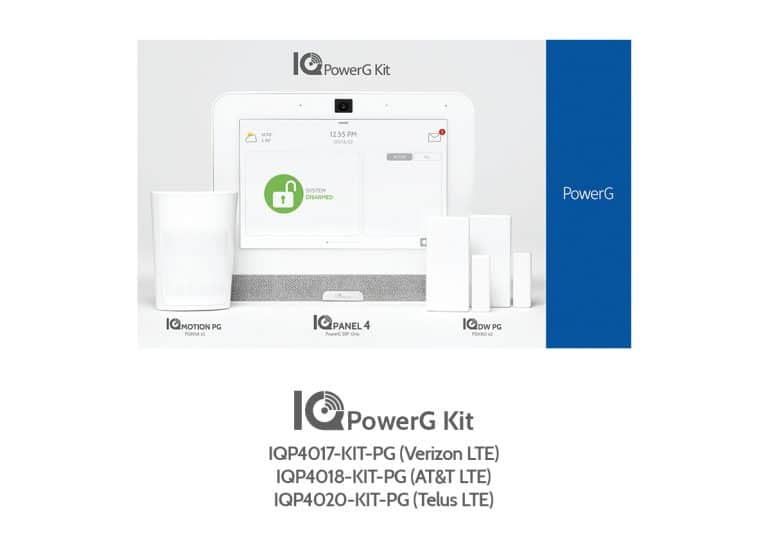
When it comes to protecting physical premises—homes, offices, or warehouses—integrated security systems provide comprehensive solutions. These systems often include a mix of sensors, cameras, alarms, and smart locks, all connected through a centralized control hub.
Key components include:
-
Motion detectors: Detect movement within a defined area.
-
Contact sensors: Monitor the opening and closing of doors and windows.
-
Glass-break sensors: Trigger alarms when window glass is shattered.
-
Surveillance cameras: Provide real-time monitoring and recording.
-
Alarm sirens: Loud signals to deter intruders and alert neighbors.
Smart security systems also come with mobile apps that let you monitor your property remotely. Some integrate with voice assistants and home automation platforms, allowing you to arm or disarm systems using voice commands.
Business premises often use access control systems—such as key cards, biometric scanners, or keypad entries—to restrict unauthorized entry. Paired with CCTV and motion detection, these setups create a robust defense network.
Modern systems also offer cloud video storage, which means footage is safe even if the physical recorder is stolen. This becomes vital in gathering evidence for law enforcement and insurance claims.
The downside? These systems can be costly, especially if you opt for professional monitoring services. However, the peace of mind and property protection they offer are usually well worth the investment.
RFID and Barcode Tags in Retail
In retail environments, the battle against theft—both internal and external—is constant. One of the most effective tools used is RFID (Radio-Frequency Identification) and barcode tagging. These technologies help retailers keep track of inventory while simultaneously deterring theft.
RFID tags are tiny chips attached to merchandise. When a tagged item passes through an RFID scanner at the store exit without being properly deactivated, an alarm is triggered. Unlike barcodes, RFID tags don’t require direct line-of-sight and can be read through packaging or multiple items simultaneously.
Barcode systems, while older, still serve an essential function. Each item is scanned and logged into the point-of-sale (POS) system. Discrepancies between stock on hand and sales records can help identify theft patterns, either from shoplifters or employees.
Retailers also use EAS (Electronic Article Surveillance) systems, which include hard tags attached to high-value items. These tags must be removed or deactivated at checkout. If not, the security gates at the exits will sound an alarm.
Advanced systems now combine RFID with video analytics, enabling real-time alerts when items are removed from shelves without proper purchase. Some even link employee ID badges to inventory movement, helping detect internal theft.
These systems are a must-have for large-scale retailers, electronics stores, and supermarkets. The data they provide doesn’t just help with theft prevention—it also aids in inventory management, restocking, and trend analysis.
Choosing the Right Anti-Theft Device
Key Considerations Before Purchasing
Choosing the right anti-theft device isn’t just about picking the most expensive or high-tech option. It’s about understanding your specific security needs and how a device fits into your daily routine, environment, and threat level.
Start by assessing the value and mobility of the asset. A parked car in a garage needs different protection than a bicycle on a city sidewalk. Similarly, securing a retail store calls for a very different system than protecting personal electronics in your home.
Here are some key factors to consider:
-
Environment and Location:
-
Is the area high-risk or low risk for theft?
-
Is the item stored indoors or outdoors?
-
Is the area monitored by law enforcement or neighborhood watch programs?
-
-
Asset Type and Value:
-
Is the item easily portable?
-
Would its theft cause significant financial or operational disruption?
-
-
Integration Capabilities:
-
Will the device work with your existing security systems?
-
Can it be remotely accessed or controlled via smartphone?
-
-
Power and Connectivity:
-
Does the device rely on batteries, electricity, or internet connectivity?
-
What happens in the event of a power outage or internet failure?
-
-
Ease of Use:
-
Is the device user-friendly?
-
Can you or your staff operate it without extensive training?
-
-
Budget and Ongoing Costs:
-
What’s the initial cost?
-
Are there subscription fees for monitoring or tracking?
-
Selecting the right anti-theft device is about balancing protection with practicality. It’s better to choose a slightly less advanced device that you’ll use consistently than a complex system that gets ignored or mismanaged.
Always read user reviews, check for certifications (like Thatcham or UL ratings), and consult with a security expert if you’re unsure. The best security setup is one that fits seamlessly into your lifestyle or business operations while providing robust protection.
Benefits of Using Anti-Theft Devices
Reduction in Theft Risk
One of the most obvious and significant benefits of using anti-theft devices is a substantial reduction in the risk of theft. Whether it’s your car, home, office equipment, or retail merchandise, deploying the right security measure can drastically lower the chance of becoming a victim.
How does this work? Primarily through deterrence. Thieves typically look for easy targets—places or items with little to no visible protection. A car equipped with a steering lock, alarm, and GPS tracker is a far less attractive target than one left unprotected. The mere presence of a security camera can discourage a break-in. Retailers that display prominent anti-theft tags and scanning gates are statistically shown to experience fewer shoplifting incidents.
According to multiple studies, visible deterrents can reduce theft attempts by up to 60%. That’s massive. But even in cases where deterrence fails, the chances of recovery increase significantly with GPS trackers, surveillance footage, or biometric access logs.
Also, anti-theft devices help enforce employee accountability. Internal theft is a serious issue, particularly in retail and warehousing environments. Devices like inventory trackers and access control systems discourage dishonest activity and make it easier to trace discrepancies when they occur.
Ultimately, when the risk of being caught or the time needed to bypass security becomes too high, most criminals simply move on to an easier target. That’s the psychological power of a well-designed anti-theft system.
Peace of Mind for Owners
The psychological comfort that comes from knowing your possessions or property are secure is invaluable. Whether you’re leaving your car parked overnight, locking up your office for the weekend, or going on vacation, anti-theft devices provide a sense of control and assurance.
Think about it: without any protection, you’re left to worry every time you’re away. Did someone break into my apartment? Is my car still where I parked it? Is my inventory safe after hours? This constant anxiety can weigh heavily, impacting productivity, sleep, and quality of life.
Smart anti-theft solutions bring real-time awareness. With app-connected systems, you can check camera feeds, receive motion alerts, or even control locks and lights from anywhere in the world. That remote visibility transforms worry into confidence.
Even simple mechanical locks or tags offer peace of mind. Knowing that a thief would have to go through several layers of defense to reach your valuables gives you an extra layer of comfort.
For businesses, this peace of mind extends to staff and customers. A well-secured environment feels safer. Employees feel protected, and customers feel more confident shopping or storing their vehicles nearby.
In today’s high-stress world, anything that lowers anxiety and increases mental clarity is worth the investment. Anti-theft devices offer exactly that—peace of mind in a small, tangible package.
Insurance Benefits and Discounts
Did you know that installing certain anti-theft devices can lower your insurance premiums? Many insurance companies offer discounts to customers who take proactive steps to protect their property. This is especially true for car and home insurance policies.
Here’s how it works:
-
If you have a GPS tracker, alarm system, or immobilizer in your car, you’re considered a lower risk by your insurer.
-
If your home has a smart security system, surveillance cameras, and intrusion alarms, your likelihood of filing a claim for theft decreases.
-
Businesses that use access control systems, CCTV, and inventory tagging often qualify for lower commercial property insurance rates.
These savings can be substantial—up to 20% off annual premiums in some cases. Over the life of a policy, that adds up to hundreds or even thousands of dollars saved.
Additionally, in the event that theft does occur, having a security system in place can help speed up the claims process. Video evidence, access logs, or GPS data can serve as concrete proof that a crime happened and help law enforcement catch the perpetrator.
Insurers may even refuse to cover losses if they determine that reasonable precautions weren’t taken. So installing and maintaining anti-theft devices is not just a cost-saving strategy—it’s often a requirement for high-value policies.
Bottom line? These devices don’t just protect your property—they can protect your wallet as well.
Risks and Limitations of Anti-Theft Devices
Potential for False Alarms
False alarms are a common drawback of many electronic anti-theft systems, especially those relying on motion sensors or audio detectors. While these devices are designed to alert you to unauthorized access or suspicious activity, they sometimes misfire—triggered by environmental factors, animals, or even system glitches.
For example:
-
A motion detector might go off due to a curtain blowing in front of an air vent.
-
A glass-break sensor could trigger from the sound of a loud thunderclap or slamming door.
-
A car alarm may activate due to vibrations from nearby construction.
These false positives can become more than just a nuisance. Frequent alarms can cause you, neighbors, or building security to start ignoring them—a dangerous form of desensitization. In some jurisdictions, repeated false alarms can even result in fines or penalties if emergency services are dispatched unnecessarily.
Modern systems now come with sensitivity settings and smart filtering, allowing users to fine-tune sensors to reduce the likelihood of false alerts. Many also allow you to confirm alerts via smartphone apps or two-way video before taking further action.
Nonetheless, false alarms are still a risk, and managing them properly requires attention, adjustment, and sometimes professional setup to get things just right.
Circumvention by Skilled Thieves
While anti-theft devices are effective deterrents for most criminals, highly skilled or organized thieves can sometimes bypass them. This is especially true for older or low-quality devices, but even some modern systems have vulnerabilities.
Examples of circumvention include:
-
Key fob hacking or signal jamming to bypass car alarms.
-
Cloning RFID tags used in retail or keyless entry systems.
-
Physical tampering with external sensors or cutting of security camera wires.
-
Breaking into central control panels or network routers to disable smart home systems.
Criminals with enough motivation, tools, and knowledge can exploit weaknesses—especially if the device hasn’t been updated or is poorly installed.
This highlights the need for multi-layered security. Relying on just one system is risky. Combining mechanical locks with electronic alarms, surveillance with access control, or visual deterrents with hidden trackers creates a system that’s harder to defeat.
It’s also crucial to regularly update firmware, change passwords, and perform audits. A good anti-theft system is not a “set it and forget it” solution—it requires maintenance to remain effective.
Device Failures and Malfunctions
No security system is perfect, and all devices come with the risk of failure or malfunction. Batteries die, software bugs appear, and hardware can degrade over time. When an anti-theft device stops working unexpectedly, it can leave you vulnerable at the worst possible moment.
Common failure points include:
-
Dead batteries in GPS trackers or alarms.
-
Software glitches in smart systems or IoT devices.
-
Power surges or outages that disable entire systems.
-
Sensor misalignment or wear that renders motion detectors useless.
This is why routine maintenance and testing are vital. Check your devices regularly—verify that the alarm triggers correctly, test the GPS signal, review camera footage, and ensure all updates are installed.
Also, consider having redundant systems in place. If one fails, another picks up the slack. For example, a smart door lock could be paired with a mechanical deadbolt, or a motion sensor backed up by 24/7 video monitoring.
In short, anti-theft devices are powerful tools—but they’re not infallible. Recognizing their limitations helps you build a stronger, more resilient security strategy.
Industry-Specific Applications
Automotive Sector
The automotive industry is one of the most theft-targeted sectors globally. From personal vehicles to commercial fleets, automobiles face constant risks—making robust anti-theft solutions not just useful, but essential.
In this sector, devices serve multiple roles:
-
Vehicle immobilizers are embedded in most modern cars, preventing the engine from starting without a digital key or RFID signal.
-
GPS trackers are commonly used in fleet vehicles to monitor location, behavior, and unauthorized movement.
-
Steering wheel locks, kill switches, and OBD port blockers offer physical and electronic security layers for high-risk areas or older vehicles lacking built-in tech.
For commercial operators—like taxi companies or logistics firms—anti-theft systems also provide fleet management benefits. These include tracking routes, monitoring idle times, and ensuring drivers are where they’re supposed to be.
Luxury and sports cars face additional threats from organized crime rings. As a result, high-end models often include encrypted key fobs, multi-layer biometric verification, and remote shutdown capabilities.
In short, whether it’s a family SUV or a commercial delivery van, the automotive industry heavily relies on anti-theft technology to protect assets, reduce insurance costs, and maintain operational efficiency.
Retail and Warehousing
Retailers and warehouses are high-theft environments, often facing threats from both external shoplifters and internal employee theft. To combat these risks, they use a suite of anti-theft devices tailored to inventory protection and personnel monitoring.
Popular tools include:
-
RFID/EAS tags on merchandise.
-
Surveillance systems covering sales floors and storage areas.
-
Electronic access control systems to limit unauthorized entry to stockrooms.
-
Smart inventory tracking software that integrates with point-of-sale systems to identify shrinkage.
In large warehouses, real-time GPS tagging is also used for tracking high-value shipments and pallets. In addition, AI-powered video analytics can detect suspicious patterns, such as frequent entry into restricted areas or loitering near exits.
Some stores even deploy facial recognition cameras to identify repeat offenders and alert staff discreetly. While controversial, these tools have proven effective in reducing organized retail crime.
Personal Gadgets and Electronics
Our lives revolve around tech—smartphones, tablets, laptops, gaming consoles, and smartwatches. These devices are highly portable and valuable, making them prime targets for thieves.
To safeguard personal electronics, consumers now rely on:
-
Biometric locking systems (fingerprint, facial recognition, iris scan).
-
Remote wiping and tracking apps like Apple’s Find My or Google Find My Device.
-
Anti-theft backpacks with hidden zippers and RFID-blocking layers.
Some gadgets even offer self-destruct features that erase sensitive data if theft is detected or the device is tampered with. Others have tamper alarms that trigger if a laptop is unplugged or removed without proper authentication.
These solutions are crucial for students, professionals, and anyone who travels frequently or works in public spaces. The loss of data can be as damaging as the loss of the device itself.
Real Estate and Property Management
Real estate managers, landlords, and Airbnb hosts face unique challenges in securing physical spaces that are occupied by different people over time. Their security approach must be flexible, scalable, and easy to manage remotely.
Anti-theft solutions in this space include:
-
Smart locks that can generate temporary digital keys for guests or tenants.
-
Surveillance systems with cloud storage for offsite review.
-
Motion-detection lighting to deter nighttime intrusions.
-
Alarm systems that notify property managers immediately when triggered.
For multi-unit buildings or commercial complexes, centralized systems allow monitoring multiple entrances and units simultaneously. These are often paired with intercoms, biometric entry, and key card access.
The use of integrated property management apps now allows real-time control over locks, alerts, and access records—all from a smartphone dashboard.
Technological Advancements in Anti-Theft Systems
Biometric Security
Biometric technology has transformed the security landscape. By identifying users through unique physical traits, such as fingerprints, facial features, or iris patterns, it offers a high level of personalization and difficulty to replicate.
You’ll find biometric authentication in:
-
Smartphones and laptops
-
Access control systems
-
Safes and storage units
-
Luxury vehicles
The advantage? These systems are nearly impossible to spoof without the actual person present. Some biometric locks even include heartbeat or vein pattern recognition to detect living tissue, adding an extra layer of protection.
AI and Machine Learning Integration
AI and machine learning (ML) are revolutionizing how anti-theft systems detect and respond to threats. Instead of relying solely on fixed triggers, these systems learn behavior over time, adapting to identify what’s “normal” versus suspicious.
Here’s how AI enhances security:
-
Video analytics: Automatically detect loitering, forced entry, or abandoned objects.
-
Predictive analysis: Flags items or areas with repeated security breaches.
-
Smart alerts: Reduces false alarms by learning your movement patterns and ignoring harmless activity.
These tools are especially useful in smart cities, airports, and high-traffic venues, where manual monitoring would be overwhelming.
Real-Time Monitoring and Alerts
The shift toward real-time communication is one of the most powerful upgrades in modern security. With Wi-Fi, LTE, and 5G connectivity, anti-theft systems can now instantly notify you of any breach.
Benefits include:
-
Push notifications to your phone or smartwatch.
-
Two-way audio to communicate directly with intruders or security staff.
-
Remote viewing and control of security cameras and locks.
Advanced monitoring platforms even integrate law enforcement or private security firms, initiating responses within seconds. This speed can be the difference between recovery and total loss.
Conclusion
Anti-theft devices are no longer optional in today’s high-risk, high-tech environment—they’re essential. From mechanical locks to AI-powered surveillance, the spectrum of available tools is vast and evolving. Whether you’re securing a vehicle, business, gadget, or home, there’s a customized solution that fits your needs, lifestyle, and budget.
Understanding your risk profile and layering different types of security devices is the smartest approach. Don’t rely on one method alone. Combine visibility (like cameras and locks) with intelligence (GPS, alarms, smart systems), and you’ll create a defense strategy that’s far more effective.
As technology advances, so too do the capabilities of thieves. Staying ahead means staying informed and upgrading your systems regularly. The right anti-theft solution isn’t just a product—it’s peace of mind, security for your investments, and protection for what matters most.
FAQs
Q1: What is the most effective anti-theft device for cars?
A combination of GPS tracking, an alarm system, and a steering wheel lock offers the highest level of protection. For newer vehicles, adding an OBD port lock can prevent electronic key cloning.
Q2: Can thieves bypass electronic anti-theft systems?
Yes, skilled thieves can bypass poorly installed or outdated electronic systems. That’s why it’s crucial to use encrypted, layered security and keep firmware updated.
Q3: Are GPS trackers legal to use?
Yes, GPS trackers are legal when used to monitor assets you own or manage. However, using them to track someone without their consent can be illegal depending on jurisdiction.
Q4: How often should I upgrade my security system?
It’s best to audit your security system annually and upgrade components every 3–5 years, or immediately if vulnerabilities are discovered or threats evolve.
Q5: Is it worth investing in expensive anti-theft equipment?
Absolutely. When you consider the potential losses, insurance savings, and peace of mind, high-quality anti-theft devices often pay for themselves in the long run.
About All Action Alarm: Your Trusted Partner in Home Security Solutions
When it comes to protecting your home and loved ones, there’s no room for compromise. At All Action Alarm, we take home security to the next level by offering top-tier protection with cutting-edge technology and expert monitoring services that you can rely on. As a leader in the security industry, we’re committed to keeping homes and businesses safe, providing peace of mind 24/7.
Check out Home Automation Systems and Get Started with All Action Alarm Today!
Don’t wait for an emergency to take action. Protect your home and family with the best in the business. Call (631) 549-7225 to schedule your consultation, or visit allactionalarm.com to learn more about our services.
Your safety is our top priority.

 Ca.garcia.s, CC BY-SA 4.0
  Image by
  Image by www.homespothq.com