
Fire Protection

- Understanding Smart Video Clips in Home Surveillance - March 5, 2026
- Access Control Installation - March 2, 2026
- Fire Alarm Systems - February 27, 2026
Introduction to Fire Protection
Why Fire Protection Matters in Daily Life
Fire protection isn’t just a concern for firefighters or safety engineers—it’s something that affects every single one of us on a daily basis. Whether you’re cooking in the kitchen, working in an office, or living in a high-rise apartment, the risk of fire is always present. Fire can spread in seconds, destroying property, threatening lives, and causing financial loss that may take years to recover from. That’s why fire protection is more than just having a smoke alarm or a fire extinguisher—it’s about creating a complete safety culture that prioritizes prevention, detection, and rapid response.
Many people underestimate the importance of fire protection until tragedy strikes. Statistics show that thousands of residential fires occur each year due to negligence, faulty wiring, or improper storage of flammable materials. In workplaces, especially factories and warehouses, fire risks are even higher due to the presence of machinery, chemicals, and high energy use. Fire protection helps reduce these risks through preventive measures, advanced technology, and strict safety codes designed to save lives.
Think of fire protection as an invisible shield around your home and workplace. It doesn’t just minimize damage during emergencies but also ensures peace of mind. Knowing that you have effective systems in place—from alarms to fire-resistant building materials—gives you the confidence to go about your day without fear of the unexpected.
Understanding Fire Hazards Around Us
Fire hazards are everywhere, and the tricky part is that most of them are hiding in plain sight. In homes, something as simple as leaving candles unattended or overloading electrical outlets can spark a fire. In the kitchen, unattended stoves remain the number one cause of household fires. Flammable items stored near heat sources—like curtains near heaters or gasoline cans in the garage—are disasters waiting to happen.
Workplaces face even bigger challenges. Offices often have multiple electronic devices plugged in at once, creating electrical overloads. Factories may store combustible materials, while warehouses handle large quantities of packaging and wooden pallets—both highly flammable. Even outdoor fire hazards exist, such as wildfires sparked by dry conditions or human negligence.
Being aware of these hazards is the first step in fire protection. Identifying high-risk areas, replacing faulty wiring, safely storing flammable substances, and educating people about safe practices can drastically reduce the likelihood of a fire. Prevention is always better than firefighting, and fire hazards are often much easier to control when spotted early.
The Science of Fire
What is Fire and How Does it Start?
To truly understand fire protection, we first need to understand fire itself. Fire is not just “flames”—it’s a chemical reaction called combustion. Combustion happens when fuel (something that can burn) combines with oxygen and is exposed to enough heat to ignite. Once started, fire sustains itself by releasing energy in the form of light and heat, which then spreads to nearby materials.
The process may sound simple, but fire behaves in complex ways. It can smolder slowly, burst into flames instantly, or spread invisibly through smoke and toxic gases before the flames are even visible. In fact, smoke inhalation is often more dangerous than the flames themselves. That’s why detection and prevention are just as important as firefighting—by stopping a fire before it spreads, you protect not just property, but also human lives.
What makes fire dangerous is its unpredictability. A small spark can grow into a full-blown blaze in less than 30 seconds. Within minutes, smoke can fill an entire room, making it impossible to breathe or see. Understanding how fire starts and spreads is the foundation of fire protection strategies, whether at home, in offices, or in large industrial complexes.
The Fire Triangle: Fuel, Heat, and Oxygen
Fire needs three elements to exist: fuel, heat, and oxygen. Together, they form what is known as the “fire triangle.” Remove any one of these, and the fire dies out. For example:
-
Fuel: Wood, paper, gasoline, fabric, cooking oil—anything combustible.
-
Heat: Matches, lighters, stoves, faulty wiring, or even sunlight through glass.
-
Oxygen: The air we breathe, which is about 21% oxygen, is enough to sustain most fires.
This concept is crucial for both fire prevention and suppression. Fire extinguishers, for instance, work by removing one side of the triangle. A water extinguisher cools the heat, a foam extinguisher smothers the oxygen, and a dry chemical extinguisher interrupts the chemical reaction.
By understanding the fire triangle, people can also take preventive steps. Storing flammable liquids away from heat sources, regularly maintaining electrical wiring, and ensuring proper ventilation can stop a fire before it even begins. It’s like playing a defensive game: if you keep the triangle from forming, you’ve already won half the battle.
Common Causes of Fires in Homes and Workplaces
Fires don’t just “happen”—they have causes, and knowing them is the best way to avoid them. In homes, the leading causes include:
-
Cooking accidents – leaving food unattended or cooking with oil at high heat.
-
Electrical issues – faulty outlets, overloaded circuits, or damaged appliances.
-
Heating equipment – space heaters placed near curtains or furniture.
-
Candles and smoking – left unattended, these small flames can turn deadly.
In workplaces, causes vary depending on the environment:
-
Factories – sparks from machinery, chemical reactions, or combustible dust.
-
Warehouses – poor storage of flammable materials, packaging, and wooden pallets.
-
Offices – too many devices plugged in, overheating equipment, or paper clutter near heat sources.
By understanding these causes, both individuals and organizations can develop fire protection strategies that target high-risk areas. It’s not just about reacting when a fire starts—it’s about removing the sparks before they ever ignite.
Types of Fire Protection Systems
Active Fire Protection Systems
Active fire protection systems are those that require action—either automatic or manual—to stop or control a fire. These include sprinklers, fire extinguishers, and alarm systems. The term “active” comes from the fact that these systems respond when a fire actually starts. For example, a sprinkler head opens when it senses heat, releasing water directly onto the flames.
Active systems are often the first line of defense during a fire. They don’t prevent fires from starting, but they help minimize the damage by slowing down or extinguishing the flames before they spread further. This gives people more time to evacuate and firefighters more time to arrive.
Some examples of active fire protection include:
-
Automatic sprinkler systems
-
Portable fire extinguishers
-
Smoke and heat detectors
-
Fire alarm systems
-
Emergency lighting and exit signs
They are essential in both residential and commercial settings, and in many countries, installing certain active fire systems is a legal requirement.
Passive Fire Protection Systems
Unlike active systems, passive fire protection systems don’t “kick in” when a fire starts—they are built into the structure to slow the spread of fire and smoke. Think of them as silent protectors working in the background. Examples include fire-resistant walls, ceilings, floors, and fire doors.
The purpose of passive fire protection is containment. By isolating the fire in one part of the building, these systems prevent it from spreading quickly, giving occupants more time to escape and reducing overall damage. For instance, a fire-rated door can hold back flames for 30–120 minutes, which can be the difference between life and death in an evacuation.
Some common passive fire protection methods include:
-
Fireproof building materials (concrete, fire-rated glass, gypsum boards).
-
Compartmentalization of buildings into fire zones.
-
Fire barriers, walls, and floors.
-
Protective coatings for steel structures.
Passive fire protection is like the bones of fire safety—strong, silent, and essential for long-term protection.
Difference Between Active and Passive Systems
Both active and passive fire protection systems are critical, but they serve different purposes. Active systems fight the fire directly, while passive systems contain the fire and protect people and structures.
| Feature | Active Fire Protection | Passive Fire Protection |
|---|---|---|
| Function | Detects and suppresses fire | Slows spread and provides escape time |
| Examples | Sprinklers, alarms, extinguishers | Fire doors, fireproof walls, coatings |
| Action Type | Requires activation (manual/automatic) | Always in place (structural) |
| Goal | Extinguish or control fire | Contain fire, protect occupants |
In reality, the best fire protection strategy combines both systems. For example, a building with sprinklers (active) and fire-resistant walls (passive) ensures maximum safety. One system buys time, while the other directly fights the flames. Together, they form a complete safety net.
Fire Detection and Alarm Systems
Smoke Detectors and Heat Sensors
Smoke and heat detectors are among the most important tools in fire protection. Early detection saves lives, and these devices are designed to sense fire in its earliest stages. Smoke detectors work by identifying particles in the air, while heat detectors activate when the temperature rises rapidly beyond a set point.
There are two main types of smoke detectors:
-
Ionization smoke detectors – respond quickly to fast, flaming fires.
-
Photoelectric smoke detectors – better at detecting slow, smoldering fires.
Most modern systems use a combination of both, ensuring maximum coverage. In larger buildings, detectors are interconnected so that if one senses smoke, alarms trigger throughout the entire structure.
Installing smoke and heat detectors is not enough—they need regular testing and maintenance. Batteries should be replaced at least once a year, and devices should be checked monthly. A faulty detector can give a false sense of security, which is more dangerous than having none at all.
Fire Alarm Control Panels
The fire alarm control panel is the brain of the fire detection system. It collects information from detectors and sensors throughout the building and triggers alarms, sprinklers, or other emergency responses.
A good fire alarm system not only sounds a siren but also displays the exact location of the fire, which helps firefighters respond quickly. In large facilities, fire alarm panels may even connect to local fire departments automatically.
Control panels vary in complexity—from simple home alarms to advanced systems in airports, hospitals, and skyscrapers. Regardless of size, the principle is the same: detect early, alert instantly, and trigger the right response.
Emergency Communication Systems
During a fire, panic is often the biggest enemy. That’s why communication systems are vital. Emergency systems provide clear instructions to occupants, telling them where to exit, which routes are safe, and how to stay calm.
These systems may include:
-
Voice evacuation announcements.
-
Flashing strobe lights for the hearing impaired.
-
Two-way communication for trapped individuals.
-
Integration with public address (PA) systems.
Effective communication can mean the difference between chaos and an orderly evacuation. It reduces confusion, ensures faster response, and ultimately saves lives.
Fire Suppression Systems
Fire Sprinkler Systems
Fire sprinklers are one of the most trusted and widely used suppression systems worldwide. Contrary to Hollywood myths, sprinklers don’t all go off at once. Instead, each sprinkler head is heat-sensitive and activates only when the temperature reaches a dangerous level. This targeted approach minimizes water damage while effectively containing the fire.
Sprinklers are highly effective—statistics show that buildings with sprinklers experience far fewer casualties and significantly less property damage. Modern systems are designed not only for commercial use but also for residential buildings, making them accessible to everyone.
Different types of sprinkler systems include:
-
Wet pipe systems (water always present in pipes).
-
Dry pipe systems (air in pipes, water released when needed—used in cold climates).
-
Deluge systems (all heads open at once, used in high-hazard areas like chemical plants).
-
Pre-action systems (require two triggers, common in data centers to avoid accidental activation).
Sprinklers are like having a firefighter in every room—silent, ready, and always on duty.
Fire Suppression Systems
Fire Extinguishers and Their Types
Fire extinguishers are one of the most accessible and essential fire suppression tools. Found in homes, offices, factories, and vehicles, they are designed for quick response before a fire grows uncontrollable. However, not all extinguishers are the same—different types are meant for different kinds of fires.
Fires are classified into categories:
-
Class A: Ordinary combustibles like wood, paper, and cloth.
-
Class B: Flammable liquids such as gasoline, oil, and paint.
-
Class C: Electrical fires from wiring, outlets, or appliances.
-
Class D: Combustible metals like magnesium or titanium (mainly in industrial settings).
-
Class K: Kitchen fires involving cooking oils and fats.
Each extinguisher is labeled for its intended class. For example:
-
Water extinguishers are ideal for Class A fires but dangerous for Class B and C fires.
-
CO₂ extinguishers smother oxygen, making them great for electrical fires.
-
Foam extinguishers cover liquid fires by forming a barrier between fuel and air.
-
Dry chemical extinguishers are versatile, suitable for Class A, B, and C fires.
Knowing how to use an extinguisher is just as important as having one. The PASS method—Pull, Aim, Squeeze, and Sweep—is a simple guide for effective use. But remember, extinguishers are for small fires only. If the blaze is spreading rapidly, the priority should always be evacuation and calling emergency services.
Advanced Suppression Systems (Gas, Foam, and Mist)
Beyond sprinklers and extinguishers, advanced fire suppression systems are used in high-risk areas where water could cause damage or be ineffective.
-
Gas Suppression Systems: These release gases such as FM-200, Novec 1230, or CO₂ to suffocate a fire. Commonly used in data centers, server rooms, and museums, they protect valuable equipment and sensitive materials without water damage.
-
Foam Systems: Used in areas where flammable liquids are stored, such as fuel stations, chemical plants, and airports. Foam spreads over the liquid, cutting off oxygen and preventing re-ignition.
-
Water Mist Systems: Instead of heavy streams of water, these systems release fine mist droplets, cooling the fire and displacing oxygen. They’re safer in environments with electronics and are gaining popularity as eco-friendly alternatives.
These systems are specialized and costly but provide unparalleled protection where standard systems fall short. They represent the cutting edge of fire suppression technology, ensuring both safety and minimal damage.
Fire Safety in Residential Buildings
Preventive Measures for Home Safety
Your home is your sanctuary, but it’s also full of fire risks if proper precautions aren’t taken. Simple changes in daily habits can drastically reduce the risk of household fires. Here are some essential preventive measures:
-
Install smoke detectors in every bedroom, hallway, and level of the house. Test them monthly.
-
Never leave cooking unattended—the leading cause of home fires. Keep flammable objects away from stovetops.
-
Avoid overloading outlets and use surge protectors. Replace frayed cords immediately.
-
Keep heaters safe by placing them at least three feet away from curtains, furniture, or bedding.
-
Store flammable materials properly—gasoline, paints, and cleaning supplies should never be kept indoors near heat.
-
Candle safety—use holders, keep away from flammable items, and never leave them burning overnight.
These small steps create a big impact. A home with preventive safety habits is far less likely to experience devastating fires. Prevention, after all, is the cheapest and most effective form of protection.
Escape Plans and Drills for Families
Even with prevention, no home is 100% fireproof. That’s why having an escape plan is critical. A well-practiced family fire drill can mean the difference between survival and tragedy.
Here’s how to create one:
-
Identify at least two exits from every room (a door and a window).
-
Choose a meeting point outside, such as a tree, mailbox, or neighbor’s house.
-
Practice crawling low under smoke since toxic gases rise.
-
Teach kids not to hide during a fire—fear can make children hide under beds or closets, putting them in greater danger.
-
Time your drills—a fire can engulf a home in less than five minutes, so practice escaping quickly.
Families that rehearse drills regularly are more prepared to stay calm during real emergencies. Just like schools practice fire drills, homes should do the same—it’s about building instincts that kick in when panic strikes.
Fire Safety in Apartments and High-Rises
Living in multi-story buildings introduces unique fire risks. Fires can spread between units, and evacuation routes are often more complicated than in single-family homes. Tenants in apartments and high-rises must take extra precautions:
-
Know the building’s fire alarm system and evacuation routes.
-
Never use elevators during a fire—they can fail or stop at dangerous floors.
-
Keep stairwells clear—these are lifelines during emergencies.
-
Close doors behind you when evacuating to slow fire spread.
-
Check doors before opening—if hot, flames may be on the other side.
High-rise buildings usually have advanced fire suppression systems, but personal preparedness is still essential. Knowing your exits and having a family plan tailored to apartment living ensures maximum safety.
Fire Safety in Commercial and Industrial Settings
Fire Codes and Legal Requirements
Workplaces are legally obligated to follow fire safety codes designed to protect employees, customers, and assets. In most countries, fire protection standards are enforced by organizations such as the NFPA (National Fire Protection Association) in the U.S. or equivalent agencies worldwide.
Typical requirements include:
-
Installing fire alarms and sprinklers.
-
Having accessible fire extinguishers.
-
Conducting regular fire drills.
-
Clearly marking exits and keeping them unobstructed.
-
Maintaining fire-resistant construction where needed.
Non-compliance not only risks lives but can also result in hefty fines, lawsuits, or even business closure. For companies, fire safety isn’t just about legal obligation—it’s also about reputation, employee confidence, and long-term survival.
Fire Protection for Factories and Warehouses
Factories and warehouses often deal with higher fire risks due to machinery, flammable materials, and large inventories. Effective protection requires both advanced systems and strict employee training.
-
Dust and fumes: In industries like woodworking or metalworking, combustible dust can ignite explosively. Ventilation and cleaning are crucial.
-
Chemicals and fuels: Proper storage in fire-resistant cabinets prevents chain-reaction explosions.
-
Large storage areas: Sprinkler systems must be designed for high ceilings and heavy inventory loads.
-
Emergency lighting: Warehouses can become dark and dangerous during a fire—backup lighting ensures safe evacuation.
In these settings, fire protection is not optional—it’s a critical investment that safeguards both workers and valuable goods.
Fire Safety in Offices and Public Buildings
While offices may seem low-risk compared to factories, fire hazards are still significant. Paper clutter, electronics, and careless habits like smoking near exits all contribute to risks. Public buildings, such as schools, hospitals, and malls, face even greater responsibility due to high occupancy.
Safety measures include:
-
Regular inspections of electrical systems and equipment.
-
Fire exits and clear signage in every part of the building.
-
Automatic sprinklers in high-occupancy areas.
-
Employee training in evacuation and extinguisher use.
In public buildings, where panic can spread quickly, communication systems are critical. Clear announcements, visible exit paths, and well-trained staff prevent chaos and ensure smooth evacuation.
Emergency Preparedness and Evacuation Plans
Importance of Fire Drills and Training
Fire drills are often seen as inconveniences, but in reality, they’re lifesavers. During an actual fire, people don’t have time to think—they react based on muscle memory. Drills build that memory.
Companies, schools, and even households should conduct regular fire drills. These should include:
-
Practicing different escape routes.
-
Assigning roles (who calls emergency services, who assists children or elderly).
-
Simulating real conditions (crawling under smoke, blocked exits).
-
Reviewing performance after each drill to improve efficiency.
Training also extends to using fire extinguishers, understanding alarm systems, and recognizing hazards. When everyone knows their role, panic is minimized, and survival rates increase.
Emergency Preparedness and Evacuation Plans
Creating Effective Evacuation Routes
An evacuation route is like a roadmap to safety, and without it, panic can quickly spiral into chaos. Whether in a home, office, or public building, having clearly marked and accessible evacuation routes is essential.
Here’s what makes an evacuation route effective:
-
Multiple Exits: Every building should have at least two ways out of each floor. If one is blocked by flames or smoke, the other provides a backup.
-
Clear Signage: Bright, illuminated exit signs should be visible even in smoke-filled or dark conditions. Arrows and glow-in-the-dark markings are particularly useful.
-
Accessibility: Routes must be usable by everyone, including the elderly, children, and people with disabilities. This includes ramps, wide corridors, and handrails.
-
Unobstructed Pathways: Hallways and staircases should never be used for storage. Even small obstacles can cause dangerous bottlenecks during an evacuation.
-
Safe Assembly Point: Evacuation routes should lead to a designated outdoor area where occupants can gather for roll call and receive further instructions.
In large facilities like hospitals or airports, creating effective evacuation routes is more complex. Multiple assembly areas may be needed, and staff should receive specialized training to guide people calmly. The key is to make the path to safety simple, direct, and easy to follow—even in a state of panic.
Safety Tips During a Fire Emergency
No matter how prepared you are, facing a fire is always overwhelming. But knowing the right actions to take can save lives. Here are critical safety tips:
-
Stay low: Smoke rises, so crawling on the floor gives you cleaner air to breathe.
-
Check doors before opening: Feel them with the back of your hand. If hot, don’t open—flames may be on the other side.
-
Use stairs, not elevators: Elevators can malfunction, trapping people inside.
-
Close doors behind you: This slows fire and smoke spread.
-
Don’t waste time grabbing valuables: Life always comes first.
-
If trapped, signal for help: Use a flashlight, phone, or cloth at the window to attract attention.
These simple steps are often the difference between survival and tragedy. Fire emergencies demand quick, clear-headed action—and practicing these safety habits ensures they come naturally when it matters most.
Fire-Resistant Materials and Construction
Fireproof Building Materials
One of the smartest ways to enhance fire safety is by choosing the right building materials. Fire-resistant materials slow down the spread of flames, buying valuable time for evacuation and firefighting efforts.
Some of the most commonly used materials include:
-
Concrete: Naturally fire-resistant, it doesn’t burn or emit toxic gases.
-
Brick: Like concrete, brick withstands extreme heat and provides excellent fire resistance.
-
Gypsum boards (drywall): Used in walls and ceilings, they contain water crystals that release steam when exposed to fire, delaying spread.
-
Fire-rated glass: Specially treated to withstand heat without shattering, often used in windows and doors.
-
Steel with fireproof coatings: While steel itself loses strength under extreme heat, coatings protect it from collapsing too quickly.
Using these materials doesn’t make a building “fireproof,” but it dramatically slows fire spread, giving firefighters and occupants more time. This makes them essential in modern construction, especially in high-rise buildings and commercial complexes.
Passive Barriers and Fire Doors
Passive barriers, such as fire-rated walls, ceilings, and doors, are silent guardians in any structure. They don’t put out fires, but they control them by dividing a building into compartments. This technique is called compartmentalization and is crucial for keeping flames contained in one area.
Fire doors are especially important. Designed to withstand fire for 30 to 120 minutes, they allow safe passage for occupants while stopping smoke and flames from spreading. They must always remain closed or equipped with automatic closers. Unfortunately, many people prop them open, unknowingly compromising safety.
Properly maintained fire barriers can transform a deadly blaze into a controllable situation. They are the backbone of fire-resistant construction and often make the difference between minor damage and complete destruction.
Innovations in Fire-Resistant Construction
Technology is constantly advancing, and construction is no exception. Modern architects and engineers are exploring new ways to improve fire resistance without compromising aesthetics or sustainability. Some innovations include:
-
Intumescent paints: These special coatings expand when exposed to heat, forming a protective char layer that insulates structural steel.
-
Cross-laminated timber (CLT): Surprisingly, this engineered wood can be highly fire-resistant due to its thick, layered design that chars slowly rather than igniting quickly.
-
Smart fireproof glass: Glass that not only resists fire but also blocks smoke and provides insulation.
-
Eco-friendly materials: Researchers are developing sustainable, fire-resistant composites made from recycled materials and natural fibers.
These innovations highlight the future of fire protection: combining safety with sustainability. Buildings of tomorrow will not only stand strong against fire but also contribute to greener, more efficient cities.
Role of Firefighters and Emergency Services
Firefighter Responsibilities in Emergencies
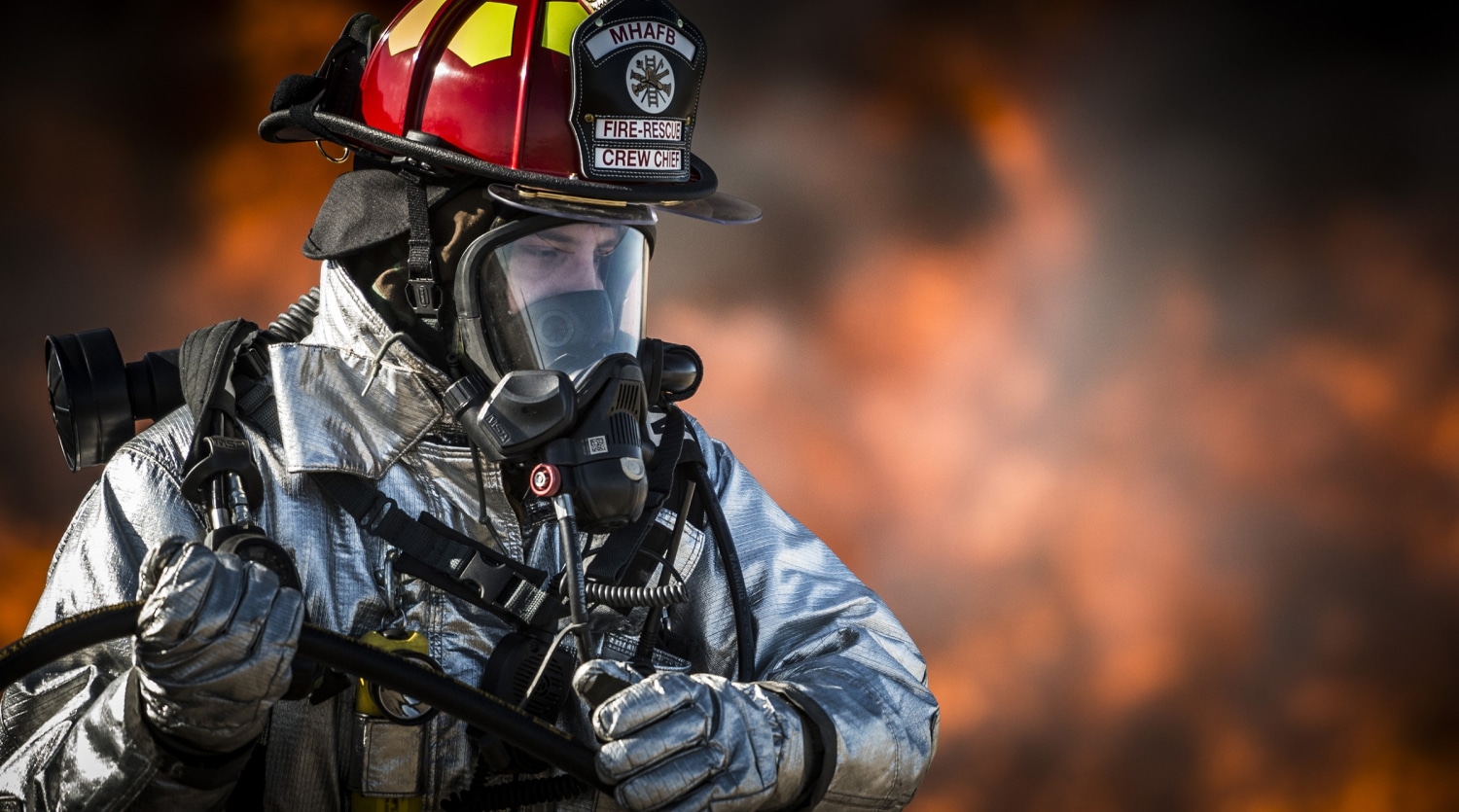
Firefighters are the frontline heroes of fire protection. Their responsibilities extend far beyond simply putting out flames. They rescue trapped individuals, provide first aid, and ensure that hazardous materials don’t cause further harm.
During a fire emergency, firefighters:
-
Assess the situation quickly—identifying the fire’s source and spread.
-
Rescue occupants—prioritizing children, elderly, and disabled individuals.
-
Suppress the fire using hoses, extinguishers, and advanced tools.
-
Prevent further hazards such as gas leaks or structural collapse.
-
Assist with investigation after the fire to determine its cause.
Their work is physically and mentally demanding. Firefighters face extreme heat, toxic smoke, and collapsing structures, often risking their lives to save others. That’s why communities must support and respect their role in public safety.
Tools and Equipment Used by Firefighters
Firefighting requires specialized equipment to combat different types of fires and ensure rescuer safety. Common tools include:
-
Protective gear (PPE): Flame-resistant suits, helmets, gloves, and boots.
-
Self-contained breathing apparatus (SCBA): Provides clean air in smoke-filled environments.
-
Thermal imaging cameras: Detect hidden flames or trapped people behind walls.
-
Hoses and nozzles: Deliver powerful streams of water or foam.
-
Axes and halligan bars: Used for breaking doors and gaining access.
-
Ladders and ropes: Essential for high-rise rescues.
This equipment transforms firefighters into a mobile, human fire protection system, capable of entering danger zones safely and effectively.
Community Support and Fire Response Units
Fire protection isn’t just the job of firefighters—it’s a community effort. Local fire departments rely on strong partnerships with residents, schools, and businesses. Community fire response units, including volunteer firefighters, play a vital role in smaller towns and rural areas.
Programs such as Community Emergency Response Teams (CERTs) train civilians in basic fire safety, evacuation, and first aid. This ensures faster action before professional firefighters arrive. In emergencies, every second counts, and community involvement saves lives.
Fire Safety Regulations and Standards
International Fire Safety Standards
Fire safety isn’t just a local concern—it’s a global issue. International standards ensure that buildings, workplaces, and public spaces follow consistent rules for protection. One of the most recognized organizations is the NFPA (National Fire Protection Association), whose codes are used worldwide as benchmarks.
Other international bodies include:
-
ISO (International Organization for Standardization) – Provides global guidelines on fire safety engineering.
-
ICC (International Code Council) – Publishes the International Fire Code (IFC).
-
EN standards (Europe) – Establish safety protocols across EU nations.
These standards cover everything from alarm systems to evacuation routes, ensuring that fire safety remains consistent across borders. Global cooperation is especially important in industries like aviation, shipping, and manufacturing, where safety practices must align internationally.
Fire Safety Regulations and Standards
OSHA and NFPA Guidelines
In the United States, fire safety in workplaces is heavily regulated by OSHA (Occupational Safety and Health Administration) and the NFPA (National Fire Protection Association). OSHA requires employers to provide safe working conditions, which includes fire protection systems, emergency action plans, and employee training.
Key OSHA fire safety requirements include:
-
Accessible fire extinguishers placed at strategic points.
-
Clear exit routes with proper lighting and signage.
-
Regular fire drills and employee training sessions.
-
Proper storage and labeling of flammable materials.
-
Maintenance of fire protection equipment.
The NFPA, meanwhile, develops codes such as the NFPA 1 Fire Code and NFPA 101 Life Safety Code, which are widely adopted as legal standards. These codes provide detailed requirements for alarm systems, sprinkler installations, fire-resistant construction, and safe evacuation practices.
By following OSHA and NFPA guidelines, organizations not only comply with the law but also create a safer environment for workers and customers. Failing to do so can result in legal penalties, lawsuits, and—most importantly—preventable loss of life.
Local Fire Codes and Inspections
Beyond international and national standards, local governments enforce fire codes tailored to specific regions. Local fire marshals and building inspectors conduct routine inspections to ensure compliance. These inspections may include:
-
Checking that fire alarms and sprinklers are operational.
-
Ensuring extinguishers are up to date and properly placed.
-
Inspecting electrical systems for hazards.
-
Reviewing evacuation plans and building layouts.
Businesses that fail inspections may face fines, shutdowns, or mandatory upgrades. While some may see inspections as burdensome, they are vital for public safety. Local codes often reflect unique risks—such as wildfire-prone areas requiring special building materials, or flood-prone regions needing water-resistant systems.
Modern Technology in Fire Protection
Smart Fire Detection Systems
Technology has transformed fire protection, making detection faster and more accurate. Smart fire detectors use sensors, Wi-Fi, and mobile apps to alert homeowners and businesses instantly, even if they’re miles away.
Features of smart detectors include:
-
Real-time alerts sent to smartphones.
-
Integration with home automation—for example, shutting down HVAC systems to slow smoke spread.
-
Voice alerts that clearly state the hazard (“Smoke detected in kitchen”).
-
Self-testing features that monitor battery life and functionality automatically.
These systems reduce false alarms and allow for quicker responses. Imagine being notified of a fire at your home while at work—you could call emergency services before the fire spreads too far.
AI and IoT in Fire Safety
Artificial Intelligence (AI) and the Internet of Things (IoT) are revolutionizing fire protection. By analyzing data in real-time, AI can predict and prevent fires before they even start.
Applications include:
-
AI-based video surveillance that detects smoke or unusual heat patterns.
-
IoT sensors that monitor electrical currents to identify overheating wires.
-
Predictive analytics that flag high-risk areas in factories or power plants.
-
Automated suppression systems that trigger only when necessary, reducing damage and false activations.
These technologies turn fire protection from reactive to proactive. Instead of waiting for an alarm, systems can identify and neutralize hazards before they ignite.
Drones and Robotics in Firefighting
Firefighting is dangerous work, and modern technology is stepping in to make it safer. Drones equipped with thermal cameras can locate hotspots in large fires, providing firefighters with critical information. They are especially useful in wildfires, where visibility is poor, and terrain is dangerous.
Firefighting robots are another breakthrough. Some are designed to enter burning buildings, spraying water or foam while keeping human firefighters out of harm’s way. Others can navigate tunnels, chemical plants, or oil rigs—places too hazardous for humans.
With these advancements, the future of firefighting looks smarter and safer. Technology doesn’t replace human firefighters, but it enhances their capabilities, making responses faster, more efficient, and less risky.
Fire Safety Education and Awareness
Community Fire Safety Programs
Fire safety isn’t just about equipment and codes—it’s about people knowing what to do. Community programs, often run by fire departments, educate residents about prevention and emergency response.
Common initiatives include:
-
School programs teaching children how to stop, drop, and roll.
-
Community fire drills in neighborhoods and apartment complexes.
-
Workshops on how to use fire extinguishers.
-
Awareness campaigns about wildfire prevention, especially in rural areas.
These programs build a culture of fire safety, where everyone contributes to prevention and preparedness. After all, the best protection is awareness.
Training Employees for Fire Safety
Businesses have a responsibility to ensure employees are fire-ready. Training sessions should cover:
-
How to operate fire extinguishers.
-
When to evacuate vs. when to fight a small fire.
-
Familiarity with evacuation routes and meeting points.
-
Recognizing hazards and reporting them.
Trained employees act as the first line of defense. They can contain small fires before they spread and guide others during evacuations, reducing panic and injuries.
Teaching Kids About Fire Safety
Children are particularly vulnerable during fires, so early education is vital. Kids should learn simple rules such as:
-
Never play with matches or lighters.
-
Stop, drop, and roll if their clothes catch fire.
-
Crawl low under smoke.
-
Know two ways out of every room.
-
Call 911 (or local emergency numbers) if they see fire.
By teaching children these skills, we empower them to protect themselves and others. Fire safety education should be as essential as learning to cross the street safely.
Cost of Fire Protection Systems
Residential Fire Safety Costs
Protecting your home doesn’t have to break the bank. Smoke detectors, for instance, cost as little as $20, while fire extinguishers average $40–$60 each. Installing a basic home sprinkler system may range from $1 to $2 per square foot, making it affordable during new construction.
The real cost, however, lies in not having protection. House fires cause billions in damages annually, and insurance companies often give discounts for homes with proper safety systems. In the long run, investing in fire safety saves far more money than it costs.
Commercial Fire System Installation Costs
Businesses face higher costs due to their size and complexity. Installing sprinklers in commercial buildings typically ranges from $2 to $7 per square foot, depending on the system type. Advanced suppression systems like gas or foam can run into hundreds of thousands of dollars.
Other costs include:
-
Alarm and detection systems: $1–$3 per square foot.
-
Fireproofing materials: $4–$12 per square foot.
-
Regular maintenance and inspections.
While these expenses seem high, they’re small compared to potential fire losses. One fire could shut down a business permanently, making prevention a critical investment.
Balancing Cost with Safety
Not every building needs the most expensive fire protection system, but cutting corners can be dangerous. The key is balance—choosing systems that fit your risks, occupancy, and budget.
For example:
-
A small office may rely on extinguishers, alarms, and smoke detectors.
-
A hospital or data center may require advanced sprinklers and gas suppression.
-
A warehouse storing chemicals might invest in foam systems.
Consulting with fire safety experts ensures the right balance. Ultimately, the cost of safety is always lower than the cost of tragedy.
Future of Fire Protection
Innovations in Fire Safety Equipment
The future of fire protection is full of exciting advancements. New materials, smarter systems, and better communication tools are emerging rapidly. Some innovations include:
-
Smart sprinklers that activate selectively and report data in real time.
-
Wearable sensors for firefighters that track heat, air quality, and vitals.
-
AI-powered fire prediction software that warns about risks before they occur.
-
Biodegradable fire suppressants that are safe for the environment.
These innovations are making fire safety more effective and eco-friendly, ensuring better protection for both people and the planet.
Role of Sustainability in Fire Protection
Sustainability is becoming a major factor in fire protection. Traditional systems often rely on chemicals or materials harmful to the environment. The push now is toward:
-
Eco-friendly suppression agents that don’t harm ozone layers or ecosystems.
-
Energy-efficient alarms and detectors powered by solar or long-lasting batteries.
-
Recyclable building materials with fire-resistant properties.
The future of fire safety won’t just protect lives—it will protect the earth as well.
Predictions for the Next Decade
Looking ahead, we can expect fire protection to become more integrated, automated, and predictive. Buildings of the future will likely have fully connected systems that:
-
Detect hazards instantly.
-
Alert emergency services automatically.
-
Guide occupants to safety using AI-driven evacuation plans.
-
Use drones and robots as first responders.
In short, fire protection will shift from reactive firefighting to proactive fire prevention.
Conclusion
Fire protection is not just about alarms, sprinklers, or regulations—it’s about creating a culture of safety that combines prevention, detection, suppression, and education. Whether at home, at work, or in public spaces, fire safety saves lives and property when taken seriously.
The tools are there—smoke detectors, extinguishers, fire-resistant materials, and advanced suppression systems. But the real power lies in awareness, training, and preparation. By investing in fire protection today, we ensure safer communities and a more secure future.
FAQs
1. What are the most common fire hazards at home?
Cooking accidents, faulty wiring, unattended candles, heating equipment, and improper storage of flammable materials are the top hazards.
2. How often should fire extinguishers be inspected?
They should be checked monthly for pressure and damage, and professionally serviced once a year.
3. What is the difference between fire-resistant and fire-retardant materials?
Fire-resistant materials can withstand fire for longer periods, while fire-retardant materials are treated to slow down ignition and spread.
4. Can fire sprinklers cause water damage?
Yes, but far less than the damage caused by uncontrolled fires. Modern systems are designed to minimize water release.
5. What is the future of AI in fire protection?
AI will predict risks, detect fires instantly, and guide evacuations using smart systems, drones, and robots.
SOURCES:
https://www.nfpa.org/education-and-research/fire-protection-systemshttps://www.nfpa.org/
https://www.osha.gov/fire-safety/standards
https://www.osha.gov/laws-regs/regulations/standardnumber/1926/1926.150
https://www.osha.gov/laws-regs/regulations/standardnumber/1910/1910.39
About All Action Alarm: Your Trusted Partner in Commercial Security Solutions
AllActionAlarm.com is Long Island’s top choice for state-of-the-art commercial security systems, providing unmatched protection and peace of mind for businesses of all sizes. With years of expertise, we specialize in creating customized security solutions, combining cutting-edge technology with seamless installation and 24/7 monitoring. Whether it’s high-definition surveillance, advanced access control, or intrusion detection, we deliver systems designed to safeguard your assets and personnel.
Our team of certified professionals is committed to offering the best security systems in Long Island, New York. We understand the unique challenges businesses face and work closely with you to develop a comprehensive security plan that fits your needs. We don’t just sell equipment; we partner with you for the long haul, ensuring your business remains protected against any threat.
Check out Fire Protection Engineering and Get Started with All Action Alarm Today! Check out also this articles:
Don’t leave your business’s safety to chance—contact us at (631) 549-7225 today for a free consultation and experience the AllActionAlarm difference!
For more info you may want to read this article about Commercial Alarm System.


 Ca.garcia.s, CC BY-SA 4.0
