
Fire Sprinkler Systems: The Ultimate Guide to Saving Lives and Property
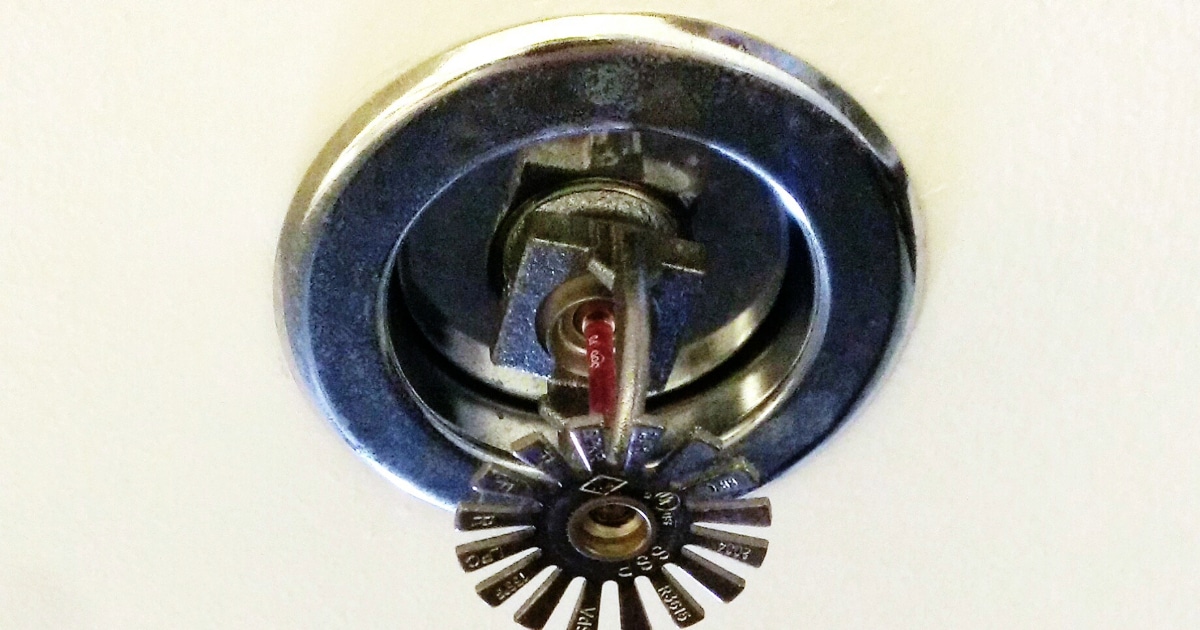 Image by www.homespothq.com
- Access Control Installation - March 2, 2026
- Fire Alarm Systems - February 27, 2026
- Alarm Alerts and Notification System - February 27, 2026
Introduction to Fire Sprinkler Systems
What is a Fire Sprinkler System?
A fire sprinkler system is a proactive fire protection method that automatically detects and suppresses fires using a water-based or specialized fluid system. Think of it as having a firefighter on standby in your ceiling, ready to jump into action the moment flames appear. The system is made up of a network of pipes fitted with sprinkler heads that are strategically installed in ceilings or sidewalls throughout a building. These heads are heat-sensitive and designed to activate only in the presence of high temperatures — typically around 155°F (68°C).
Fire sprinkler systems aren’t just for commercial skyscrapers or industrial complexes. Today, they’re increasingly being used in residential homes, apartment buildings, and even mobile homes due to their proven effectiveness in reducing fatalities and property loss. Whether it’s a hotel, hospital, warehouse, or a small family home, these systems can make the difference between a minor incident and a devastating catastrophe.
Importance of Fire Sprinkler Systems in Safety
Fire doesn’t discriminate — and it spreads faster than most people think. Within minutes, an entire room can be engulfed in flames, releasing toxic smoke and dangerous gases. Fire sprinkler systems act in those critical early moments to control or completely extinguish the blaze before it spirals out of control.
According to the National Fire Protection Association (NFPA), the risk of dying in a fire is reduced by about 80% in buildings with sprinkler systems. That’s a huge safety margin that no smoke detector or fire extinguisher alone can provide. Plus, sprinkler systems are designed to minimize water damage, targeting only the affected area instead of soaking the whole building like a fire hose might.
In short, fire sprinkler systems aren’t just helpful—they’re life-saving. And in many jurisdictions, they’re legally required for certain types of buildings. So if you’re constructing, renovating, or simply want to improve your building’s fire safety, installing a sprinkler system is one of the smartest decisions you can make.
History and Evolution of Fire Sprinkler Systems
Early Innovations and Development
Fire sprinklers might seem like modern tech, but their origins trace back centuries. The first recorded attempt at automated fire suppression was in England in the early 1800s. A man named William Congreve invented a rudimentary version of the sprinkler using perforated pipes connected to a water supply. His system was manually operated, meaning someone had to turn it on.
The real breakthrough came in 1874, when Henry S. Parmalee, a piano maker from Connecticut, patented the first automatic sprinkler head. His motivation? Protecting his piano factory from fire. His invention used a fusible link that would melt under high heat, releasing water to douse the flames. It was simple, but revolutionary.
From there, the technology rapidly evolved. The late 1800s and early 1900s saw widespread adoption in factories and warehouses, especially as fire safety laws became stricter following devastating urban fires in cities like Chicago and Boston.
Modern-Day Advancements in Fire Protection
Fast forward to today, and fire sprinkler systems are more advanced than ever. We now have smart sprinklers that use sensors and real-time data to detect heat, smoke, and even chemical signatures before activating. Materials have improved, with corrosion-resistant piping, environmentally friendly fire suppressants, and designs tailored for aesthetics in modern homes.
Codes and standards have also evolved. Organizations like the NFPA and International Code Council (ICC) constantly update their guidelines to reflect new research, technology, and real-world experience. These days, engineers can model a building in 3D and simulate a fire to optimize sprinkler placement before a single pipe is installed.
The journey from manual buckets of water to intelligent suppression systems is a testament to human innovation. And it’s not stopping anytime soon—newer systems are being designed with AI and predictive analytics to provide even more reliable protection.
How Fire Sprinkler Systems Work
Components of a Fire Sprinkler System
To truly understand how these systems protect lives and property, let’s break down the essential components:
- Sprinkler Heads: The visible part mounted on ceilings or walls. Each head is independently activated by heat and releases water directly over the fire.
- Piping Network: These pipes carry water throughout the building and connect to each sprinkler head.
- Water Supply: Can be from a municipal line, dedicated water tank, or pump. Ensures enough water pressure for the system.
- Control Valve: The “brain” of the system. This valve regulates water flow and must remain open at all times unless maintenance is being performed.
- Alarm Valve and Pressure Gauges: These components monitor the system, signal when it activates, and notify emergency services.
- Flow Switches and Test Drains: Used during inspections to ensure the system is working correctly.
Each component plays a vital role in ensuring the system works flawlessly when it matters most.
The Activation Process Explained
Contrary to what Hollywood might show, sprinkler systems don’t all go off at once when someone lights a match. In reality, each sprinkler head is individually heat-activated. Here’s how it works:
- Detection: When a fire starts, the air directly above it heats up rapidly. When the temperature reaches around 155°F (or higher for specialized systems), the heat-sensitive element in the nearest sprinkler head triggers.
- Activation: The sprinkler head’s glass bulb bursts or its metal link melts, opening a valve that releases water.
- Suppression: Water sprays out in a carefully engineered pattern designed to cover the fire area and prevent the spread.
- Notification: Most systems are integrated with fire alarms and emergency systems that notify building occupants and fire departments.
This design ensures that only the sprinkler heads directly affected by fire activate, limiting water damage while effectively controlling the fire.
Types of Fire Sprinkler Systems
Wet Pipe Sprinkler Systems
The most common and reliable type, wet pipe systems are exactly what they sound like—pipes that are always filled with pressurized water. When a fire triggers a sprinkler head, water is immediately discharged. These systems are ideal for most environments, especially those that maintain consistent above-freezing temperatures year-round.
Benefits:
- Simple design
- Lower installation and maintenance costs
- Quick response time
However, they’re not suitable for places where freezing could occur, like unheated warehouses or parking garages.
Dry Pipe Sprinkler Systems
Designed for colder climates, dry pipe systems use pressurized air or nitrogen in the pipes. Water is only released into the pipes once the system is activated by heat. There’s a brief delay (a few seconds) between activation and water discharge, but they prevent pipe bursts caused by freezing.
Dry systems require more maintenance and are slightly more complex but are essential for environments where temperature fluctuations are a concern.
Installation and Design Considerations
Planning and Compliance with Building Codes
Installing a fire sprinkler system isn’t just a matter of running a few pipes. It’s a highly regulated process governed by local building codes, national fire safety standards, and insurance requirements. Before breaking ground, you’ll need a comprehensive design plan reviewed and approved by your local fire marshal or authority having jurisdiction (AHJ).
Key factors include:
- Building occupancy type
- Square footage
- Water supply availability
- Obstructions like beams or skylights
- Aesthetic integration in homes or offices
Each of these affects the layout, type of sprinklers used, and even the pressure requirements.
Selecting the Right System for Your Needs
Choosing the best fire sprinkler system is all about understanding your unique environment. A warehouse filled with flammable goods requires a different system than a small apartment complex. Work with a qualified fire protection engineer to evaluate:
- Climate conditions
- Fire load and risk levels
- Building layout and construction materials
- Integration with other safety systems
The right system doesn’t just meet codes—it goes above and beyond to ensure the safety of everyone inside.
Continuing with the article…
Maintenance and Inspection Requirements
Routine Maintenance Tasks
Just like any other life-saving equipment, a fire sprinkler system requires regular maintenance to ensure it works perfectly in case of an emergency. Ignoring routine maintenance isn’t just risky—it can be downright dangerous. After all, what’s the point of having a sprinkler system if it fails when you need it most?
Routine maintenance involves several tasks, including:
- Monthly visual inspections: These help spot obvious issues like corrosion, physical damage, or obstructions around the sprinkler heads.
- Quarterly checks: Technicians test alarm valves, flow switches, and supervisory devices to confirm proper operation.
- Semi-annual and annual inspections: These more thorough checks ensure the piping, control valves, and water supply components are functioning according to NFPA standards.
Additionally, fire sprinkler heads must be free from dust, paint, or grease. Something as simple as a cobweb or coat of paint can impair their function. And don’t forget that any system modifications—like building renovations or new walls—require reevaluation of sprinkler placement.
Failing to keep up with maintenance can void insurance claims, result in fines, or worse—lead to a catastrophic failure in a real fire. It’s not just about compliance; it’s about peace of mind.
Inspection Frequencies and Standards
The National Fire Protection Association (NFPA) sets the gold standard for inspection and maintenance protocols. According to NFPA 25, here’s how often different components should be inspected:
- Weekly/Monthly: Gauges, valves, and general condition of the system.
- Quarterly: Alarm devices, fire department connections, and supervisory signal devices.
- Annually: Sprinkler heads, pipe fittings, hangers, and water flow.
- Every 5 years: Internal pipe condition (checking for corrosion or obstructions).
- Every 10 years: Testing dry pipe valves and sprinkler heads in harsh environments.
Hiring a certified fire protection technician is essential to carry out these inspections. Not only do they know what to look for, but they can also help ensure compliance with both local and national codes.
Common Myths and Misconceptions
Debunking Popular Fire Sprinkler Myths
Fire sprinkler systems have been the victims of numerous myths, often thanks to how they’re portrayed in movies. Let’s bust some of the most common misconceptions:
- Myth #1: All the sprinklers go off at once.
Reality: Only the sprinkler closest to the fire activates. This minimizes water damage and targets the fire directly. - Myth #2: Sprinklers cause more damage than the fire.
Reality: Sprinklers use significantly less water than fire hoses, and they control the fire early. In fact, they often prevent catastrophic damage. - Myth #3: Sprinklers can be triggered by smoke or steam.
Reality: Sprinkler heads respond to heat, not smoke. You can burn toast without setting off a sprinkler. - Myth #4: They’re too expensive for homes.
Reality: Modern systems are surprisingly affordable, especially when integrated into new construction. They also reduce insurance premiums, making them a smart investment.
Real-World Evidence vs. Fiction
Here’s what the data says:
- Buildings with sprinkler systems see an average of 60% less property damage from fire.
- The fire death rate is 87% lower in homes with sprinklers compared to those without.
- Sprinklers control 96% of fires when they operate correctly.
It’s time to shift the narrative. Fire sprinkler systems are not a luxury or an optional extra—they’re an essential part of modern safety infrastructure.
Cost and Budgeting for Fire Sprinkler Systems
Initial Installation Costs
One of the biggest hesitations people have about fire sprinkler systems is the cost. But let’s break it down. The average cost for installing a system in a new commercial building ranges from $1 to $2 per square foot. For residential installations, it typically falls between $1.50 and $5 per square foot, depending on the home’s complexity and location.
Here’s a quick look at the average cost for different building types:
| Building Type | Average Cost per Sq. Ft. |
|---|---|
| New Commercial | $1.00 – $2.00 |
| Existing Commercial | $2.00 – $7.00 |
| New Residential | $1.50 – $3.00 |
| Existing Residential | $3.00 – $5.00 |
Retrofitting an older structure is usually more expensive because it requires careful routing of piping, ceiling modifications, and possible upgrades to the water supply.
Long-Term Value and Insurance Savings
Yes, the upfront cost can seem steep, but the long-term benefits far outweigh the initial investment. Fire sprinkler systems:
- Drastically reduce fire damage, meaning lower repair costs.
- Can save lives, which you can’t put a price on.
- Reduce insurance premiums—some companies offer up to 15%–20% discounts for properties with certified sprinkler systems.
- Boost property value, especially in areas where they’re required by code.
Think of a sprinkler system not as an expense, but as a form of insurance that actually prevents disasters from spiraling out of control.
Benefits of Fire Sprinkler Systems
Life-Saving Capabilities
If there’s one benefit that overshadows all others, it’s this: fire sprinklers save lives. Fires can turn deadly in under two minutes, and sprinklers act in that narrow window to stop the fire or give people more time to evacuate safely. For families, business owners, and building managers, that’s an unparalleled level of reassurance.
These systems:
- Activate quickly to limit flame spread.
- Reduce toxic smoke inhalation—often the main cause of death in fires.
- Help maintain visibility for safe evacuation.
- Protect vulnerable populations like the older member, children, or hospital patients who may struggle to escape on their own.
Protection of Property and Assets
In addition to saving lives, sprinklers dramatically reduce property loss. Think about it—if a fire is contained to one room instead of spreading through an entire building, you’re looking at thousands (or even millions) saved in damages.
Sprinklers are especially crucial in:
- Warehouses and storage facilities, where goods and inventory are at risk.
- Data centers, to protect servers and electronic infrastructure.
- Historic buildings, where the structure itself is irreplaceable.
- Homes and apartments, to prevent total loss of personal belongings.
From priceless heirlooms to critical business equipment, sprinkler systems give you a fighting chance to preserve what matters most.
Legal and Regulatory Requirements
Local and International Standards
Fire safety isn’t just good practice—it’s often the law. Regulatory bodies worldwide mandate the use of fire sprinkler systems in various building types, especially those where large numbers of people gather or where the risk of fire is elevated.
Here are some key standards to know:
- NFPA 13: Governs installation in commercial buildings.
- NFPA 13R and 13D: Focus on residential and low-rise occupancies.
- International Building Code (IBC): Often references NFPA standards.
- Local municipal codes: May impose additional requirements or more stringent rules.
Depending on your location, these codes might make fire sprinklers mandatory for:
- High-rise buildings
- Nursing homes and assisted living facilities
- Daycare centers
- Apartment complexes
- New residential constructions over a certain square footage
Consequences of Non-Compliance
Skipping out on sprinkler requirements isn’t just risky—it can lead to major legal headaches. Non-compliance can result in:
- Fines or penalties
- Delays in obtaining occupancy permits
- Increased insurance premiums or policy cancellations
- Legal liability in the event of a fire
Building owners are ultimately responsible for ensuring compliance. That’s why it’s crucial to work with licensed professionals and stay updated on evolving codes and regulations.
Continuing with the article…
Residential vs Commercial Systems
Key Differences in Design and Use
Residential and commercial fire sprinkler systems share a common goal—fire suppression—but they’re designed quite differently due to the nature of the environments they serve.
Residential systems, commonly found in homes, apartments, and townhouses, are designed with simplicity and cost-efficiency in mind. These systems typically:
- Use faster-activating sprinkler heads to respond to fires quickly and give residents more time to escape.
- Require less water pressure and flow since they are often dealing with smaller fires.
- Are aesthetically integrated, with concealed or flush-mounted sprinkler heads to blend in with home interiors.
- Are governed by NFPA 13D (one- and two-family dwellings) or NFPA 13R (multi-family low-rise buildings).
On the other hand, commercial systems must handle larger, more complex spaces—like warehouses, offices, hospitals, and shopping malls—so they:
- Use higher-capacity piping and sprinkler heads to cover wide or tall areas.
- Often incorporate zoned systems that allow for targeted suppression in large facilities.
- Must meet stricter code requirements under NFPA 13, the most robust fire safety standard.
- Might use specialized systems like deluge or pre-action for high-risk or sensitive environments.
In essence, while both systems are effective, commercial systems are designed for larger-scale operations and higher fire loads, whereas residential systems are focused on speed, simplicity, and personal safety.
Special Considerations for Each Type
When selecting the right system, consider the specific needs and conditions of your building:
- For homes: Think about room size, ceiling height, aesthetic integration, and the presence of attics or crawl spaces (which may require dry pipe systems in cold climates).
- For commercial buildings: Evaluate the nature of business operations, occupancy load, material storage types, ceiling obstructions, and the need for integration with other life safety systems.
Also, don’t forget about retrofits. Upgrading an existing residential property with sprinklers can involve cutting into ceilings and walls, which may affect the system’s design and cost. In commercial settings, retrofits are more complex and often involve phasing the installation to avoid business disruptions.
Ultimately, choosing the right system means balancing safety, compliance, cost, and building-specific challenges.
Integration with Other Safety Systems
Alarms and Smoke Detectors
Fire sprinklers don’t work in isolation—they’re most effective when part of a larger fire protection ecosystem. That’s where alarms and smoke detectors come in.
Here’s how they work together:
- Smoke detectors provide early warning, often before the fire gets hot enough to trigger sprinklers. This gives people time to evacuate.
- Heat detectors in some commercial systems act as secondary triggers to validate a real fire event.
- Fire alarm panels receive signals from smoke and heat detectors and alert building occupants and emergency responders.
- When a sprinkler head is activated, flow switches detect water movement and signal the fire alarm system.
This kind of integration ensures that even if no one is present during a fire, emergency services are notified immediately, potentially saving property and lives.
Smart Technology in Fire Protection
Modern fire sprinkler systems are going digital. With the rise of smart homes and IoT (Internet of Things), fire safety has entered a new era.
Smart integrations include:
- Real-time alerts to your phone when a sprinkler activates or a leak is detected.
- Remote monitoring of sprinkler system pressure and status.
- Cloud-connected fire panels that notify fire departments automatically.
- AI-driven diagnostics that predict failures or maintenance needs before they become problems.
This technology is particularly beneficial in large commercial buildings, remote facilities, or vacation homes where immediate human response may not be possible. Smart integration doesn’t just improve safety—it also reduces false alarms, lowers insurance premiums, and adds peace of mind.
Innovations in Fire Sprinkler Technology
Smart Sprinklers and IoT Integration
Fire sprinklers are getting smarter, thanks to technological advancements in sensors, data analytics, and connectivity. Enter the era of smart sprinklers—systems that not only suppress fire but also analyze, adapt, and report.
Some cutting-edge features include:
- Smart sensors that detect not just heat but flame signatures, chemical changes in the air, or specific smoke patterns.
- Wireless valve control to isolate leaks or test the system remotely.
- Integrated data logging for compliance reports and maintenance tracking.
- Predictive AI analytics to identify potential issues like pipe corrosion or blocked sprinkler heads before they fail.
These smart systems reduce downtime, increase reliability, and give building managers detailed control and reporting tools—all accessible via a smartphone app or central dashboard.
Eco-Friendly and Sustainable Systems
Environmental sustainability is influencing fire protection too. Today’s fire sprinkler systems are being developed with both safety and the planet in mind.
Sustainable innovations include:
- Low-flow water mist systems that use significantly less water while offering the same suppression power.
- Recyclable materials in pipes and fittings.
- Environmentally safe fire suppressants in place of harmful chemicals or foams.
- Hybrid systems that combine gas and mist to reduce water use even further.
Green buildings certified by LEED or other sustainability programs often include eco-friendly fire suppression systems as part of their requirements. These technologies not only help save lives and property but also align with broader environmental goals.
Choosing the Right Fire Sprinkler Contractor
Qualifications to Look For
Hiring the right contractor can make or break your sprinkler installation. You want a team that understands fire codes inside out, uses quality materials, and offers reliable ongoing support.
Here’s what to check for:
- Licensing and certification: Make sure they’re certified by NFPA and hold valid state or local licenses.
- Experience: Look for specialists with a proven track record in your building type—residential, commercial, or industrial.
- Insurance: They should have general liability and workers’ comp insurance to protect your project.
- References: Ask for client testimonials and examples of similar projects they’ve completed.
- Transparent pricing: A trustworthy contractor offers detailed, written estimates and doesn’t push hidden fees.
You can also check ratings on platforms like Google Reviews, Better Business Bureau, or local trade associations to verify their reputation.
Questions to Ask Before Hiring
Before you sign that contract, make sure you ask:
- What sprinkler system do you recommend for my building and why?
- How will you ensure compliance with local codes and permits?
- Who handles system testing, certification, and inspections?
- What kind of warranty and service plans do you offer?
- Can you show me examples of similar systems you’ve installed?
Doing your homework upfront helps you avoid costly rework or non-compliance issues down the line.
Conclusion
Fire sprinkler systems are one of the most effective tools available to protect lives, property, and peace of mind. Whether you’re outfitting a residential home, managing a high-rise commercial tower, or maintaining an industrial facility, investing in a reliable sprinkler system is not just smart—it’s essential.
From basic wet pipe systems to cutting-edge smart sprinklers, there’s a solution for every type of building. And with the right design, installation, and maintenance, your system will be ready to respond in the moments that matter most.
Don’t let myths or costs hold you back. Fire sprinklers are affordable, reliable, and proven to save lives. So whether you’re a homeowner, landlord, business owner, or facility manager, now is the time to prioritize fire safety.
FAQs
Are fire sprinkler systems required in all buildings?
Not in all buildings, but many local and national codes require them in new constructions, high-rises, commercial buildings, and multi-unit residences. Always check with your local fire marshal or building authority.
Do fire sprinklers go off accidentally?
Accidental discharges are rare. Modern sprinkler heads are rigorously tested and only activate under high heat—typically above 155°F (68°C).
How often should a fire sprinkler system be inspected?
According to NFPA 25, inspections range from weekly to annually, depending on the component. Annual inspections by a certified technician are mandatory in most jurisdictions.
Can I install a fire sprinkler system myself?
DIY installation is not recommended. Building codes and fire safety standards require expert design, precise hydraulic calculations, and professional installation for compliance and effectiveness.
Are fire sprinklers environmentally friendly?
Yes. Modern systems use minimal water compared to fire hoses and include eco-friendly mist and hybrid technologies. They help minimize fire-related pollution and water waste.
Certainly! Below is a comprehensive list of specific URLs and resources used to gather information and data for the article on Fire Sprinkler Systems. These sources include official standards, technical insights, and industry best practices to ensure accuracy and depth.
Sources:
NFPA Standards and Official Guidelines
- NFPA 13 – Standard for the Installation of Sprinkler Systems
https://www.nfpa.org/codes-and-standards/nfpa-13-standard-development/13 - NFPA 13D – Standard for One- and Two-Family Dwellings and Manufactured Homes
https://www.nfpa.org/codes-and-standards/nfpa-13d-standard-development/13d
Smart Technology and IoT Integration
- Smart / IoT Fire Protection Systems
https://www.tfp1.com/blog/smart-iot-fire-protection-systems/ - The Role of IoT in Fire Protection Systems
https://resources.impactfireservices.com/iot-in-fire-protection
Eco-Friendly and Sustainable Fire Protection
- Environmentally Friendly Fire Protection
https://www.wsfp.com/environmentally-friendly-fire-protection/ - Environmentally Friendly Fire Suppression Systems | FirePro™
https://www.firepro.com/environmentally-friendly-fire-suppression/
Maintenance and Best Practices
- Tips for Fire Sprinkler Maintenance – Frontier Fire Protection
https://www.frontierfireprotection.com/tips-for-fire-sprinkler-maintenance/ - 9 Maintenance Tips for Your Fire Sprinkler System
https://kobfire.com/news/9-maintenance-tips-for-your-fire-sprinkler-system/
Types of Fire Sprinkler Systems
- Types of Fire Sprinkler Systems and Their Applications
https://kinetixfire.com/types-of-fire-sprinkler-systems-applications/ - Deluge Systems vs. Pre-action Sprinklers | WSFP
https://www.wsfp.com/deluge-versus-pre-action/
About All Action Alarm: Your Trusted Partner in Home Security Solutions
When it comes to protecting your home and loved ones, there’s no room for compromise. At All Action Alarm, we take home security to the next level by offering top-tier protection with cutting-edge technology and expert monitoring services that you can rely on. As a leader in the security industry, we’re committed to keeping homes and businesses safe, providing peace of mind 24/7.
Check out Home Automation Systems and Get Started with All Action Alarm Today!
Don’t wait for an emergency to take action. Protect your home and family with the best in the business. Call (631) 549-7225 to schedule your consultation, or visit allactionalarm.com to learn more about our services.
Your safety is our top priority.

 Tumi-1983, CC BY-SA 3.0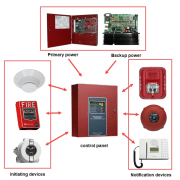


 Ca.garcia.s, CC BY-SA 4.0
  Image by
  Tumi-1983, CC BY-SA 3.0