
Introduction to Home Defense

- Understanding Smart Video Clips in Home Surveillance - March 5, 2026
- Access Control Installation - March 2, 2026
- Fire Alarm Systems - February 27, 2026
What is Home Defense?
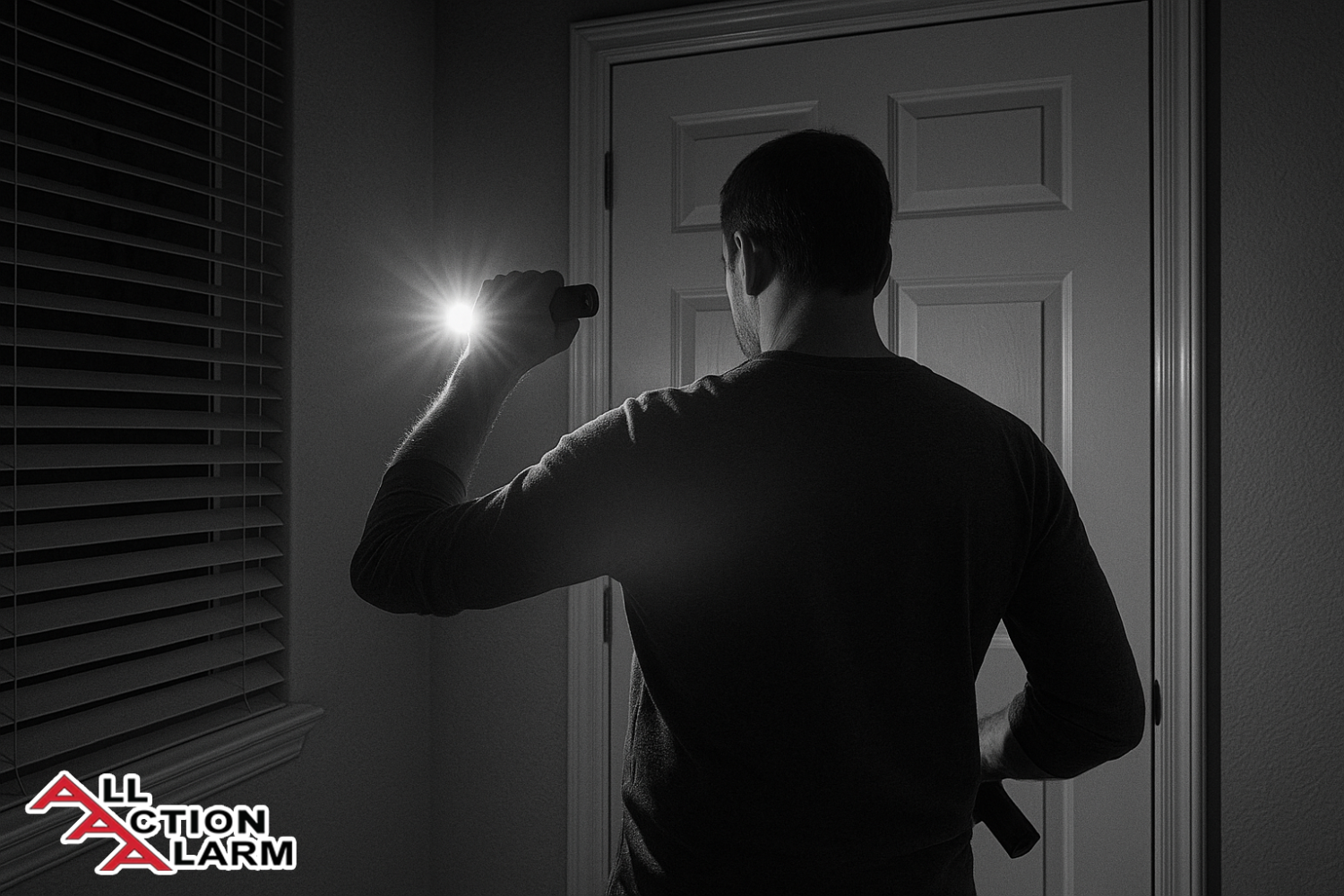
Home defense is more than just a buzzword—it’s a mindset and a strategy. At its core, home defense is the art of securing your living space against unwanted intruders, dangers, or threats. This doesn’t just mean locking your doors at night; it involves a combination of awareness, prevention, tools, and tactics designed to protect your property and the people inside it.
Think about it like this: your home is your castle. And just like a medieval fortress, it needs barriers, watchtowers, guards, and escape plans. Whether you’re living in an urban apartment, a suburban neighborhood, or a rural farmhouse, having a home defense plan tailored to your environment is crucial.
In today’s world, threats come in all shapes and sizes—from break-ins and burglaries to home invasions and vandalism. Effective home defense involves layers: starting with the outer perimeter, your doors and windows, your interior defenses, and even emergency plans for worst-case scenarios.
It’s not about living in fear—it’s about being prepared. Just as you lock your car doors and wear a seatbelt, home defense is another layer of personal responsibility and common sense that empowers you and your family.
Why Home Defense Matters More Than Ever
Let’s face it—crime isn’t going away anytime soon. In fact, in many areas, it’s on the rise. From economic downturns to social unrest, the reasons may vary, but the outcome is the same: homes are vulnerable, and criminals are always looking for easy targets.
You might think, “I live in a nice neighborhood, nothing bad ever happens here.” But that’s exactly what most people think—until it does. Criminals don’t discriminate. In fact, many prefer nicer areas because they assume residents are more relaxed about security.
Moreover, the rapid rise of smart technology and online lifestyles means more people share their lives (and locations) publicly—making it easier for potential intruders to figure out when you’re not home or what valuables you might own.
Another modern concern is emergency preparedness. Natural disasters, civil unrest, or even pandemics have shown us that supply chains and emergency services can be disrupted. Home defense now includes being ready to shelter in place if necessary, and ensuring your home can withstand not just criminals but also crises.
Bottom line? You can’t afford not to care about home defense. It’s your responsibility to protect your loved ones and your investments. And the good news is, with the right knowledge and some proactive steps, it’s easier than you think.
Assessing Your Home’s Vulnerabilities
Identifying Common Entry Points
Before you start installing high-tech gadgets and turning your house into Fort Knox, you need to take a step back and think like a burglar. Where would you break in if you were trying to get into your home?
The truth is, most intruders don’t use clever tricks or Hollywood-style acrobatics—they just go through the front door. Or the back door. Or the garage. Here are some of the most commonly exploited entry points in a typical home:
-
Front Door: Surprisingly, about 34% of burglars just walk through the front door. If your door is old, hollow, or has a flimsy lock, it’s basically an open invitation.
-
Back Door: Another favorite. It’s often more secluded and out of view from the street.
-
Garage: Especially attached garages. Many homeowners leave the door connecting the garage to the house unlocked.
-
Windows: Unlocked or weak windows, especially on the ground floor, are easy to break into.
-
Basement Doors/Windows: Out of sight and often neglected, they’re a sneaky way in.
-
Sliding Glass Doors: These can often be jimmied open with a simple tool if not properly secured.
Take a walk around your house with fresh eyes. Pretend you’re a thief. Look for weak spots, dark areas, and signs of neglect. A cracked lock or an overgrown bush next to a window might not seem like much, but to a criminal, it’s opportunity knocking.
Performing a DIY Home Security Audit
You don’t need to hire a professional to know where your home defense stands. Performing a DIY security audit is one of the smartest (and cheapest) things you can do to start your home defense journey.
Here’s how you can do it:
-
Start Outside:
-
Walk around your property during the day and night.
-
Look for dark spots where someone could hide.
-
Check all entry points for signs of wear or weakness.
-
Look at your house from the street: can you see valuables through the windows?
-
-
Check Locks and Doors:
-
Test all locks on doors and windows.
-
Upgrade to deadbolts where needed.
-
Consider door reinforcements like strike plates and hinge bolts.
-
-
Review Lighting:
-
Are your entryways well-lit?
-
Do you have motion-activated lights?
-
-
Inspect Your Garage:
-
Is the door easy to force open?
-
Does it have a lock on the inside?
-
-
Assess Your Tech:
-
If you have security cameras, are they working?
-
Are they positioned to actually see entry points, or just the yard?
-
-
Test Alarms and Detectors:
-
Smoke detectors, carbon monoxide detectors, and any existing alarms should be tested monthly.
-
Create a checklist and go room by room. This will give you a roadmap of where to focus your efforts—and where you might already be doing well.
Physical Security Measures
Reinforcing Doors and Windows
Let’s be real—your doors and windows are the first line of defense. And if they’re weak, it doesn’t matter how many cameras or alarms you have. If someone can kick in your door in under 10 seconds, you’ve got a serious problem.
Start with your doors—they should be solid core or metal, not hollow. Hollow-core doors are basically made of cardboard and can be easily broken. Upgrade to solid wood, fiberglass, or steel doors to make a real impact on your home’s security.
Next, look at the door frames. Most people don’t realize that burglars often break the door frame, not the door itself. Reinforce the frame with a strike plate and 3-inch screws that go deep into the wall studs. It’s a small upgrade with a huge security payoff.
Now let’s talk windows. These are often overlooked but incredibly vulnerable. Here’s how to beef up their security:
-
Install window locks or security latches.
-
Use window security film to prevent shattering.
-
Consider window sensors that trigger alarms.
-
Add window bars or grilles (especially for basement or ground-floor windows).
-
Plant thorny bushes under accessible windows—they’re a natural deterrent.
Sliding glass doors are another weak spot. They can be forced open easily unless you take action. Add a security bar or even a simple wooden dowel in the track. For extra strength, install anti-lift devices and consider shatterproof film here, too.
Lastly, don’t forget peepholes or video doorbells. Being able to see who’s outside before opening the door adds a layer of control that can’t be overstated.
Reinforcement doesn’t have to be expensive. With a few tools and a trip to the hardware store, you can turn your weak points into strongholds.
Installing High-Quality Locks and Deadbolts
Locks are like the gatekeepers of your home—but not all locks are created equal. If you’re still using those standard, builder-grade locks that came with your house, it’s time for an upgrade. Most of those can be picked or bumped in seconds.
Deadbolts are your best friend here. Specifically, go for a Grade 1 deadbolt—the highest rating given by the American National Standards Institute (ANSI). These locks are designed to withstand picking, prying, and brute force.
Here are the essentials you should have on every external door:
-
Single-cylinder deadbolt with a key on the outside and thumb-turn inside.
-
Reinforced strike plate with long screws.
-
Door reinforcement plate or wrap (protects against kick-ins).
-
Smart locks if you want convenience with security (more on this in the smart tech section).
Don’t forget secondary locks for added layers. Chain locks, sliding bolt locks, and even portable door jammers can be extra tools in your arsenal.
For windows, use pin locks, keyed sash locks, or ventilation locks to allow air in without giving access to intruders.
And here’s a pro tip: Rekey your locks if you just moved in or lost a set of keys. You never know who has a copy.
Strong locks are a low-cost, high-reward move for home defense. Think of them like strong passwords—you wouldn’t use “1234” for your bank account, so don’t use a cheap lock for your home.
Outdoor Lighting for Deterrence
Ever noticed how burglars love the dark? That’s because darkness is cover, and cover is opportunity. Adding outdoor lighting is one of the simplest and most effective ways to deter intruders before they even approach your home.
Think of it like shining a spotlight on a stage—no one wants to perform when they’re exposed. Criminals are the same. They’ll likely move on if your house is lit up like a Christmas tree.
Here’s what works best:
-
Motion-Activated Lights: These are gold. They pop on when someone gets close, startling the intruder and alerting you. Place them around:
-
Front and back doors
-
Driveways
-
Walkways
-
Side yards
-
-
Dusk-to-Dawn Lights: These turn on when it gets dark and off when the sun rises. Great for maintaining constant lighting in key areas.
-
Solar-Powered Lights: Energy-efficient and easy to install. Use them along paths, fences, and garden areas.
-
Floodlights: Bright, broad coverage for large areas. Install them under roof eaves or garage corners.
Placement matters just as much as brightness. Make sure you’re lighting:
-
All entrances (front, back, garage)
-
Obscured areas (behind sheds, under decks)
-
Perimeter of the property
But lighting isn’t just for scaring off intruders—it helps your cameras get better footage, too. Infrared night vision is good, but nothing beats a well-lit scene for facial recognition.
Here’s a tip: Use lighting with a random timer if you’re away on vacation. It simulates activity inside the house, making it seem like someone’s home.
Lighting won’t stop someone on its own, but when combined with cameras, alarms, and reinforced entry points, it becomes a powerful deterrent.
Surveillance and Monitoring Systems
Benefits of Security Cameras
Security cameras used to be expensive, clunky, and mostly reserved for businesses. But not anymore. Thanks to affordable, high-definition options and smart home tech, anyone can have a 24/7 surveillance system up and running in an afternoon.
But why are cameras so important?
-
Deterrence: Most criminals won’t even attempt a break-in if they see a visible camera.
-
Evidence: In case something does happen, footage can be crucial for catching perpetrators and filing insurance claims.
-
Peace of Mind: You can monitor your home while at work, on vacation, or even just from bed.
-
Alerts: Many smart cameras notify you when they detect motion or sound, keeping you in the loop in real-time.
Here’s what to look for in a good camera system:
-
1080p HD or better resolution
-
Night vision
-
Two-way audio
-
Motion detection
-
Cloud or local storage options
-
Mobile app integration
Place cameras at key locations:
-
Front door
-
Back door
-
Driveway
-
Garage
-
Side gates
-
Inside entryways
You can even use dummy cameras in less critical spots for added deterrence at a lower cost.
And don’t forget the signage—“CCTV in use” signs can be surprisingly effective at scaring off would-be intruders.
Choosing Between Wired and Wireless Systems
When setting up a surveillance system, the big question is: wired or wireless?
Wired Systems:
-
Pros:
-
More reliable (no interference or dead zones).
-
Higher video quality.
-
Constant power supply—no charging required.
-
-
Cons:
-
Harder to install (you’ll need to run cables through walls).
-
Less flexible—once it’s set up, it’s not easy to move.
-
More expensive upfront.
-
Wireless Systems:
-
Pros:
-
Easy to install—just mount and go.
-
Portable and flexible.
-
Connects to your phone or cloud storage.
-
-
Cons:
-
Batteries need recharging or replacing.
-
Can be affected by Wi-Fi issues.
-
Some cheaper models can be hacked if not properly secured.
-
For most homeowners, wireless is the way to go—especially if you’re not handy with tools or don’t want to drill holes in your walls. But if you’re building a new home or want a bulletproof system, wired cameras might be worth the investment.
Smart Home Security Tech
Smart Locks and Access Control
Gone are the days when you had to fumble with a key to open your front door. Welcome to the era of smart locks—one of the most convenient and secure additions you can make to your home defense system.
Smart locks do more than just unlock your door remotely—they let you control who gets in and when. Whether you’re letting in a dog walker, friend, or service technician, you can send temporary digital keys that expire after a set time. No more hiding keys under the doormat.
Here are the core benefits of smart locks:
-
Remote access via app or voice assistant (Alexa, Google, Siri).
-
Custom passcodes for family, friends, or guests.
-
Real-time notifications when someone enters or exits.
-
Auto-locking features that engage the lock after a set time.
-
Tamper alerts for added security.
Types of smart locks include:
-
Keypad locks: Enter a PIN to unlock.
-
Bluetooth locks: Unlock when your phone is nearby.
-
Wi-Fi enabled locks: Control them from anywhere.
-
Biometric locks: Use fingerprint recognition for access.
Some of the top brands include August, Schlage Encode, Yale Assure, and Ultraloq. Most can be installed in under 30 minutes using your existing deadbolt.
Access control goes beyond just smart locks—it also includes smart doorbells, garage door openers, and gate controls. These tools let you see, hear, and speak to visitors without opening the door, giving you complete control over your home’s access points.
Security and convenience rarely go hand in hand, but smart locks are that sweet spot where tech meets peace of mind.
Motion Detectors and Sensors
A great home defense strategy isn’t just about keeping bad guys out—it’s also about knowing when something’s not right inside your perimeter. That’s where motion detectors and sensors come in.
These devices act like digital tripwires. When someone moves, opens a door, or even breaks glass, your system knows—and you get alerted.
Types of sensors every home should consider:
-
Motion sensors: Detect movement using infrared or microwave signals.
-
Door and window sensors: Send alerts when an entry point is opened.
-
Glass break detectors: Listen for the sound frequency of shattering glass.
-
Vibration sensors: Detect tampering or attempts to break in.
Where to place them:
-
Main entry points (front and back doors, garage).
-
Hallways and stairwells.
-
Near large windows or sliding doors.
-
Inside rooms with valuables.
You can integrate these sensors with your alarm system, smart hub, or cameras. For example, if your front window opens unexpectedly, your system can:
-
Turn on all lights.
-
Start recording video.
-
Send you a push notification.
-
Trigger a loud alarm.
This kind of real-time awareness transforms your home from a passive structure into an active defense system.
And don’t forget about pet-friendly options—some sensors can ignore small animals, so your cat doesn’t trigger alarms every five minutes.
Integrating Security with Home Automation
Imagine this: It’s 11 PM. You say “Goodnight” to your smart assistant. Instantly, your home goes into defense mode:
-
All doors are locked.
-
Security cameras activate.
-
Motion sensors arm.
-
Exterior lights turn on.
-
Thermostat adjusts for sleep comfort.
That’s the power of integrating your home defense system with home automation.
By connecting your devices into a single ecosystem (like Apple HomeKit, Amazon Alexa, Google Home, or SmartThings), you get centralized control over your home’s security—and a massive boost in convenience.
Here are some practical automations you can use:
-
Geofencing: Automatically arms/disarms the system based on your phone’s location.
-
Routines: Set custom schedules, like “Away Mode” during work hours.
-
Voice Commands: Lock doors, check cameras, or set alarms just by speaking.
-
Sensor Triggers: Motion or door sensors activate lights, sirens, or cameras.
Automation adds intelligence to your home defense. It ensures you never forget to lock up, turn on lights, or check in—because your system does it all for you.
Just make sure your Wi-Fi is strong and your devices are secure with two-factor authentication and strong passwords. A smart home is only smart if it’s protected from digital threats, too.
Defensive Landscaping Techniques
Using Plants and Barriers for Protection
Believe it or not, your garden can be one of your first lines of defense. Through smart landscaping, you can make it harder for intruders to approach your home undetected—or at all.
Here’s how to turn your yard into a natural fortress:
1. Thorny Shrubs and Bushes:
Plant prickly or dense vegetation under ground-floor windows and along fence lines. These act as both physical and psychological deterrents.
-
Examples: Hawthorn, holly, pyracantha, roses, barberry, and bougainvillea.
-
No one wants to crawl through thorns to get inside.
2. Gravel Paths and Driveways:
Gravel is noisy. Use it near windows or along walkways to create a sound alert system. You’ll hear someone coming before you see them.
3. Defensive Hedges and Natural Fences:
A tall, thick hedge can work like a wall—if done right.
-
Use evergreen species for year-round coverage.
-
Keep them trimmed so intruders can’t hide behind them.
4. Raised Flower Beds and Rock Gardens:
These natural barriers make it harder for someone to sprint across your yard or get close to your house without effort.
5. Strategic Tree Placement:
Avoid planting large trees close to second-story windows or balconies—intruders can use them to climb.
6. Fences with Anti-Climb Features:
Install fences with pointed tops, trellises, or even anti-climb paint. Combine with motion lights for maximum effect.
Bonus Tip: Keep your landscaping well-maintained. An overgrown yard signals neglect—and possibly that no one’s home. A clean, cared-for exterior suggests alert homeowners who are not to be messed with.
Visibility and Natural Surveillance
Criminals hate being seen—it’s their kryptonite. That’s why natural surveillance is a key concept in home defense. The idea is to design your landscape in a way that maximizes visibility—for you, your neighbors, and anyone passing by.
Here’s how to make your property visible (but not vulnerable):
-
Keep bushes trimmed below window height.
-
Avoid tall, dense plants that block views from the street.
-
Use open fencing (like wrought iron) instead of solid wood—this allows visibility while keeping intruders out.
-
Install lighting that covers blind spots without creating glare.
-
Place signs and cameras in clear view—they act as instant deterrents.
If you live in a community, collaborate with neighbors to keep an eye on each other’s properties. The more watchful eyes on the block, the better your chances of stopping criminal activity before it starts.
Natural surveillance makes your home feel lived-in, alert, and difficult to approach unseen—which is exactly what you want.
Creating a Safe Room
Features of a Safe Room
When all else fails—locks are bypassed, alarms are triggered, and intruders are inside—a safe room becomes your final stronghold. It’s not just for millionaires or spy movies. Every home, even apartments, can have a designated safe space to protect your family in the worst-case scenario.
So, what exactly is a safe room?
A safe room, sometimes called a “panic room,” is a secure area within your home where you and your family can retreat in case of break-ins, natural disasters, or other emergencies. The goal is to stay protected and communicate with authorities until help arrives.
Here are the essential features of a good safe room:
-
Solid-Core or Steel Door: This is your last barrier. Reinforce it with heavy-duty locks and a deadbolt.
-
Reinforced Walls and Ceiling: While not always necessary, extra-thick drywall or even steel plating can prevent forced entry.
-
No Exterior Windows: If possible, choose a room without windows to eliminate entry points.
-
Communication Tools:
-
Cell phone with charger or backup power bank.
-
Landline or emergency radio.
-
Internet access (Wi-Fi or hotspot) if available.
-
-
Survival Supplies:
-
Water and snacks.
-
Flashlights and extra batteries.
-
First aid kit.
-
Fire extinguisher.
-
Blankets or extra clothes.
-
-
Security Tools:
-
Pepper spray, stun gun, or legal firearm.
-
Surveillance monitor if connected to your home system.
-
Don’t forget the psychological benefit of a safe room. Knowing you have a fallback option in an emergency can significantly reduce panic and give your family peace of mind.
How to Build One Affordably
The phrase “safe room” might sound expensive, but building one doesn’t have to break the bank. In fact, many homeowners convert existing closets, bathrooms, or basements into low-cost safe rooms.
Here’s a step-by-step guide to creating a basic yet effective DIY safe room:
-
Choose the Right Room:
-
Interior rooms are best (fewer exterior walls/windows).
-
Closets under stairs, master bedroom closets, or windowless bathrooms work well.
-
-
Upgrade the Door:
-
Swap the hollow-core door for a solid-core or metal door.
-
Add a deadbolt and reinforced strike plate.
-
Install a peephole or video doorbell inside, if possible.
-
-
Secure the Walls:
-
While you may not need bulletproof materials, consider adding extra drywall layers or even plywood reinforcement.
-
Use soundproofing foam for added comfort and silence.
-
-
Prepare a Supply Box:
-
Keep a go-bag or emergency kit in the room.
-
Include everything you might need for 1–3 hours: water, snacks, phone charger, flashlight, medical supplies.
-
-
Maintain Discretion:
-
Avoid labeling or advertising your safe room.
-
Keep it tidy and ready for emergency use without drawing attention to it.
-
Even a budget of $300–$500 can dramatically improve the safety and effectiveness of a secure space in your home. And when disaster strikes, that investment could save lives.
Firearms and Self-Defense Tools
Pros and Cons of Keeping a Gun at Home
Firearms are one of the most debated tools in home defense. Some see them as the ultimate equalizer, while others view them as a safety risk. The reality lies somewhere in between—it all comes down to responsibility, training, and storage.
Pros of owning a firearm for home defense:
-
Instant protection: Nothing stops a threat faster than a well-trained homeowner with a weapon.
-
Deterrence: The mere presence of a firearm may cause intruders to flee.
-
Leveling the playing field: Particularly helpful for smaller individuals or the elderly.
-
Multiple use cases: Can be used in home invasions, natural disasters, civil unrest.
Cons:
-
Accidental misuse: Children, guests, or uninformed family members may misuse a gun.
-
Legal liability: Shooting an intruder, even justifiably, can lead to lawsuits or criminal charges depending on local laws.
-
Mental readiness: Owning a gun requires the ability to act under pressure—freezing up can do more harm than good.
-
Storage challenges: Guns must be kept secure yet accessible—striking that balance is critical.
If you choose to keep a gun:
-
Invest in safety training.
-
Keep it in a biometric safe or quick-access lockbox.
-
Never leave it unattended or unsecured.
-
Educate every adult in the home about its location and proper use.
Firearms can be powerful tools, but they demand serious responsibility and respect. If you’re not prepared to train regularly and follow strict safety rules, they might do more harm than good.
Non-lethal Alternatives: Pepper Spray, Tasers, etc.
If firearms aren’t your thing—or if you just want additional layers of defense—non-lethal tools are a great option. They can incapacitate intruders long enough for you to escape or call the authorities, and they carry less legal and emotional baggage than a gun.
Here are some top non-lethal home defense options:
-
Pepper Spray (OC Spray):
-
Easy to use and highly effective.
-
Causes intense burning, coughing, and temporary blindness.
-
Great for close-range encounters.
-
-
Stun Guns and Tasers:
-
Stun guns require close contact.
-
Tasers fire probes and can stop an attacker from a distance.
-
Both rely on electricity to temporarily disable a person.
-
-
Expandable Batons:
-
Compact and concealable.
-
Require some skill to use effectively.
-
Legal status varies by state or country.
-
-
High-Lumen Tactical Flashlights:
-
Can temporarily blind an attacker.
-
Often combined with a striking bezel for self-defense.
-
Double as a useful tool in blackouts or emergencies.
-
-
Personal Alarms:
-
Emit loud sounds (130+ dB) to disorient intruders and alert others.
-
Perfect for kids, elderly, or anyone uncomfortable with weapons.
-
-
Home Defense Sprays:
-
Larger canisters designed for in-home use.
-
Some include dye for suspect identification later.
-
Legal regulations vary depending on where you live, so always check local laws before buying or carrying any self-defense tool.
Non-lethal tools offer peace of mind, especially in households with kids, pets, or firearm hesitancy. They’re also excellent backups in layered defense strategies.
Establishing Emergency Plans
Family Safety Drills and Procedures
Let’s get real—having security systems and self-defense tools is great, but what really saves lives in a crisis is having a plan. And not just a vague “what-if” plan—but an actual, practiced, step-by-step home emergency strategy that your whole family knows by heart.
Think of it like a fire drill at school. You don’t wait for the fire to figure out where to go. It’s the same with home defense.
Here’s how to set up effective safety procedures for your family:
-
Designate Safe Zones:
-
Identify a safe room or fallback point everyone should run to during a break-in or natural disaster.
-
Make sure it’s accessible and stocked with supplies.
-
-
Establish Communication:
-
Have a code word or phrase that signals danger without alarming an intruder (e.g., “Check on the dog”).
-
Set up a group chat or alert system for quick updates.
-
-
Assign Roles:
-
Who calls 911?
-
Who gathers the kids?
-
Who locks the doors or retrieves a weapon?
-
-
Practice Scenarios:
-
Conduct drills quarterly: simulate a home invasion, fire, or medical emergency.
-
Keep it simple but realistic—use timers to stress the importance of quick reactions.
-
-
Teach Escape Routes:
-
Know every exit from every room.
-
Keep windows and doors clear.
-
Practice crawling low in case of smoke or fire.
-
-
Create an Emergency Kit:
-
Flashlight, batteries, first aid, power bank, spare keys, and copies of IDs.
-
Store it in your safe room or a hidden, central location.
-
-
Include Kids and Pets:
-
Teach children what to do based on age and capability.
-
Assign someone to handle pets, or train animals to respond to alarms.
-
When everyone in the home knows what to do—and has practiced it—panic is replaced with purpose. And in emergencies, that’s often the difference between chaos and survival.
What to Do During a Home Invasion
Few scenarios are more terrifying than waking up to sounds downstairs in the middle of the night. In that moment, adrenaline takes over—but without a clear plan, even strong people can freeze.
Here’s a step-by-step survival guide for what to do if someone breaks into your home:
1. Stay Calm and Silent:
-
Don’t yell or move around loudly.
-
Wake others quietly and head to your pre-designated safe room if possible.
2. Lock Down:
-
Lock your safe room door and barricade it if needed.
-
Turn off lights and silence phones.
3. Call 911 Immediately:
-
Whisper if necessary or leave the line open so dispatchers can hear what’s happening.
-
Provide your address and situation as calmly and clearly as possible.
4. Arm Yourself If Trained:
-
Whether it’s a firearm, taser, or pepper spray, be prepared—but only if you’ve trained with it.
-
Never go looking for the intruder unless you have no other option.
5. Listen for Movement:
-
Track where the intruder is going.
-
Relay that info to police if you’re on the phone.
6. Don’t Confront Unless Absolutely Necessary:
-
Avoid confrontation unless your life is in immediate danger.
-
Intruders often flee once they know someone is home—let them go if you can.
7. After the Incident:
-
Don’t touch anything—wait for police.
-
File a report and save all surveillance footage.
-
Re-evaluate your security setup and update your plan.
Knowing what to do in a high-stakes moment like a home invasion can save your life and your loved ones’. Preparation turns fear into focused action.
Legal Considerations in Home Defense
Understanding Castle Doctrine and Stand Your Ground Laws
When it comes to defending your home, understanding the law is just as important as knowing how to aim a weapon or lock a door. Legal protections vary wildly depending on where you live, so let’s break down two key concepts:
1. Castle Doctrine:
-
Based on the idea that your home is your castle.
-
In states with this law, you’re allowed to use reasonable, and sometimes deadly, force against intruders without retreating, especially if they unlawfully enter your home.
-
You may not have to prove fear of death—entry alone may justify defensive action.
2. Stand Your Ground Laws:
-
Expands your right to self-defense outside your home.
-
If threatened, you don’t have a duty to retreat before using force, even in public spaces.
-
Applies to situations where you reasonably believe you’re in danger.
Important Caveats:
-
These laws do not give you a license to kill.
-
You still must act within reason—force must be proportionate to the threat.
-
Misuse of force can still lead to criminal charges or civil lawsuits.
What you should do:
-
Research your state’s self-defense laws (consult a lawyer if necessary).
-
Understand the definitions of lethal force, trespassing, and imminent threat.
-
Know the difference between defending property and defending life.
-
Document all security measures (cameras, locks, alarms) to prove due diligence.
Using force to defend your home is a serious decision. Knowing the law ensures you’re protecting your rights—not putting them at risk.
Legal Use of Force and Liability
It’s one thing to think, “I’ll defend my home at all costs.” It’s another to understand what happens after you do.
Even in self-defense cases, you may still face investigation, arrest, or lawsuits. That’s why understanding liability and force thresholds is key to making legally sound decisions in high-pressure situations.
Levels of Force:
-
Non-Deadly Force:
-
Used to repel someone without intent to kill.
-
Examples: shoving, pepper spray, taser.
-
Usually acceptable if someone is trespassing or threatening you without a weapon.
-
-
Deadly Force:
-
Force likely to cause serious injury or death.
-
Generally only justified when you believe you or someone else is in immediate danger of death or serious harm.
-
Legal Considerations:
-
Intent matters—were you protecting yourself or retaliating?
-
Evidence is critical—cameras, 911 calls, physical proof.
-
Statements made under stress can hurt your case—say only the basics until legal counsel arrives.
Liability Risks:
-
Even if charges are dropped, the intruder or their family may sue you for damages.
-
Legal fees alone can be financially devastating.
What to do:
-
Consider self-defense insurance or a legal protection membership.
-
Always report incidents to police and document everything.
-
Never alter the scene or tamper with evidence.
Being legally prepared is just as vital as being physically ready. Home defense is about protection—not prosecution.
Neighborhood and Community Strategies
Starting or Joining a Neighborhood Watch
You can have the best locks, cameras, and alarms—but nothing beats the power of a watchful community. Neighborhood watch programs are one of the most effective and affordable crime prevention strategies available.
Why they work:
-
Criminals hate attention—neighbors who look out for each other are a big deterrent.
-
Increased visibility and communication reduce opportunities for crime.
-
Police often respond faster and more seriously to coordinated community reports.
How to start or join one:
-
Talk to Neighbors:
-
Find others interested in safety and security.
-
Set a time for a group meeting.
-
-
Contact Local Law Enforcement:
-
Many departments offer support, training, and signage.
-
They can assign a liaison to help organize the program.
-
-
Set Clear Objectives:
-
Decide what you’ll monitor: suspicious vehicles, unknown visitors, vandalism, etc.
-
Establish a communication network (e.g., WhatsApp group, Facebook, email chain).
-
-
Host Regular Meetings:
-
Stay informed about crime trends in the area.
-
Share safety tips and updates.
-
-
Use Signs and Stickers:
-
Display neighborhood watch signs to deter criminals.
-
Post visible warnings on fences, mailboxes, and community boards.
-
-
Walk the Block:
-
Periodic patrols during the day or night build community trust and increase deterrence.
-
Neighborhood watch is about building a culture of vigilance. When people know their neighbors are watching, crime gets pushed out—and safety moves in.
Budget-Friendly Home Defense Tips
Affordable Upgrades That Make a Big Difference
You don’t need a Hollywood-level security system or a bank vault door to secure your home. In fact, many highly effective home defense upgrades cost less than dinner and a movie—you just need to know where to focus your efforts.
Let’s break down the best low-cost, high-impact security improvements:
1. Reinforce Doors for Under $50:
-
Add a door security bar or wedge to prevent forced entry.
-
Install a reinforced strike plate with 3-inch screws to strengthen your frame.
-
Use a peephole viewer for safe visitor checks.
2. Secure Windows for Cheap:
-
Add window locks or wedges to prevent opening from the outside.
-
Apply security film to make glass shatter-resistant.
-
Use dowels or rods in sliding windows for an extra layer of defense.
3. Use Fake or Decoy Devices:
-
Dummy security cameras look real and deter criminals at a fraction of the cost.
-
Security yard signs and window stickers (even without a system) can make criminals think twice.
4. Add Motion-Activated Lights:
-
Inexpensive motion lights (as low as $20) dramatically boost your perimeter security.
-
Solar-powered versions require no wiring and work even during power outages.
5. Replace Screws in Door Hinges:
-
Most hinge screws are just 1 inch long. Replacing them with 3-inch screws improves door integrity instantly—and costs just a couple bucks.
6. Use Smart Plugs and Light Timers:
-
Set your lights to turn on/off at random times while you’re away.
-
Smart plugs cost under $10 and can make it seem like someone’s home.
7. Add a Door Brace or Jammer:
-
These cost $15–$30 and prevent doors from being kicked in—even if the lock fails.
8. Secure the Garage:
-
Use a zip tie to disable the emergency garage release (just make sure it can still be manually released in a real emergency).
-
Install a simple garage shield to block access to the emergency latch from outside.
Even with a tight budget, you can significantly reduce your home’s vulnerability. The trick is to layer your defenses and think like a criminal. Ask yourself: “If I were trying to break in, what would stop me?”
Free Practices That Boost Security
Some of the best home defense tactics don’t cost a penny—they just require consistency and awareness. Here are zero-cost habits you can adopt immediately to keep your home safer:
1. Lock Every Door and Window—Always:
-
Even if you’re just stepping out “for a minute,” never leave doors unlocked.
-
30% of burglars enter through unlocked doors—don’t make it easy.
2. Close Curtains and Blinds at Night:
-
Don’t advertise your TV, computer, or jewelry to the world.
-
Use blackout curtains for privacy.
3. Don’t Share Vacation Plans Online:
-
Wait to post those vacation pics until you’re back.
-
Public check-ins let thieves know your house is empty.
4. Make Friends With Your Neighbors:
-
Neighbors are free, human motion sensors.
-
Ask them to grab your mail or keep an eye out when you’re away.
5. Hide Valuables in Unexpected Places:
-
Avoid the usual spots: under the bed, dresser drawers, closets.
-
Use decoy containers (fake soda cans, books, etc.) or hide items in the attic or basement.
6. Maintain a “Lived-In” Look:
-
Leave a car in the driveway.
-
Keep the lawn mowed and trash bins in use—even when you’re not home.
7. Use “Signs of Life”:
-
Leave a light or radio on.
-
Set up a fake TV light to mimic someone watching TV.
8. Conduct Regular Walk-Arounds:
-
Check doors, windows, and exterior areas weekly.
-
Look for signs of tampering or unusual activity.
9. Avoid Leaving Spare Keys Outside:
-
Thieves know all the hiding spots: under the mat, in the flowerpot, on the doorframe.
-
Instead, leave a spare with a trusted neighbor or use a lockbox with a code.
10. Be Mindful of What You Throw Away:
-
Don’t leave that new flat-screen TV box out for trash day—break it down and dispose of it discreetly.
-
Packaging can advertise what valuables are inside your home.
Smart habits are the foundation of good home defense. They’re your daily defense system—and they’re absolutely free.
Common Mistakes to Avoid
Overlooking Simple Fixes
Sometimes the biggest security gaps come from the easiest-to-fix issues—and they’re so common, most people don’t even notice them. Here are the most frequent home defense mistakes that you should correct immediately:
1. Leaving Doors Unlocked:
-
It doesn’t matter how many cameras you have if the back door is wide open.
-
Always lock doors—even when you’re at home.
2. Forgetting the Garage Entry Door:
-
Many homeowners lock the main garage door but leave the interior door to the house unlocked.
-
This is a huge vulnerability.
3. Using Weak Locks:
-
Cheap locks from the hardware store can be picked or kicked open in seconds.
-
Upgrade to Grade 1 deadbolts and reinforced strike plates.
4. Hiding Keys Outside:
-
Everyone thinks they’re being clever by hiding keys under pots or rocks.
-
Thieves know all the tricks. Use a combination lockbox instead.
5. Relying on One Layer of Defense:
-
Cameras without alarms. Locks without lights. Having one security tool isn’t enough.
-
Layer multiple systems for maximum protection.
6. Ignoring the Backyard:
-
Front yard looks like Fort Knox, but the back gate is wide open? That’s a backdoor invitation.
-
Secure all entry points equally.
7. Skipping Regular Maintenance:
-
A security system with dead batteries is just wall art.
-
Check alarms, cameras, and sensors regularly.
8. Advertising Your Absence:
-
Uncollected mail, empty driveways, and no lights scream “no one’s home.”
-
Always give the impression that someone is there.
9. Not Training Family Members:
-
What’s the point of a safety plan if no one else knows it?
-
Include everyone in drills and decision-making.
10. Thinking “It Won’t Happen to Me”:
-
Overconfidence leads to complacency.
-
Take proactive steps before you’re forced to react.
Home defense doesn’t need to be perfect—but it needs to be thoughtful, layered, and consistent. Avoiding these common mistakes puts you ahead of 90% of homeowners.
Future of Home Defense
Innovations in AI-Powered Security
Artificial Intelligence (AI) is transforming the home defense landscape. What was once science fiction—smart cameras that recognize faces, systems that learn behavior, alerts based on predictive data—is now a reality.
Here’s how AI is reshaping security:
-
Facial Recognition:
-
Cameras that tell the difference between your kids, the delivery driver, and a stranger.
-
Customized alerts: “Unknown face at the front door.”
-
-
Behavioral Detection:
-
AI systems learn your home’s patterns—like when doors open or lights turn on.
-
Any deviation triggers alerts or lockdowns.
-
-
False Alarm Reduction:
-
AI can ignore pets, birds, or rustling trees—so you only get real alerts.
-
Saves time, reduces anxiety, and keeps emergency services focused.
-
-
Voice Command Security:
-
“Alexa, arm the house” now initiates a whole sequence of locking doors, arming alarms, and activating lights.
-
Voice biometrics add another layer of authentication.
-
-
AI-Enabled Drones:
-
Some smart homes now use autonomous flying drones to patrol the perimeter.
-
Great for large properties or high-risk areas.
-
-
License Plate Recognition:
-
Smart gates and cameras can detect vehicles entering and leaving your property.
-
Useful for tracking suspicious activity or package theft.
-
As these technologies become more affordable, expect to see even modest homes equipped with futuristic tools once reserved for military or commercial use.
Predictive Technologies and Smart Threat Detection
Imagine a system that knows when you’re about to be robbed—before it happens. That’s the promise of predictive tech in home defense.
Using data from crime trends, social media, public surveillance, and user habits, these tools can:
-
Predict potential threats based on neighborhood crime rates.
-
Detect unusual movement patterns near your home.
-
Alert law enforcement before a crime is committed.
Smart doorbells, for example, now track:
-
How often someone knocks or rings.
-
If someone lingers at the door too long.
-
If a stranger repeatedly returns over several days.
Predictive analytics also help you:
-
Identify weaknesses based on past intrusions.
-
Receive custom security suggestions for your layout and location.
-
Monitor changes in activity over time—so you’re not caught off guard.
The future of home defense is not just reactive—it’s proactive. With these innovations, the home of tomorrow may stop a crime before it starts.
Conclusion
Home defense isn’t about living in fear—it’s about living in confidence. When your doors are strong, your windows are secure, your lights are bright, and your plan is ready, you can sleep soundly knowing your home is prepared for anything.
It’s not about turning your home into a fortress. It’s about making it a place where threats don’t want to go.
From affordable upgrades to high-tech systems, from drills with your family to smart landscaping—every layer you add makes your home less of a target and more of a sanctuary.
Take action today. Walk your property. Check your doors. Talk to your family. Home defense starts now—and it starts with you.
FAQs
1. What is the best home defense strategy?
The best home defense strategy is layered: combine physical security (locks, reinforced doors), smart technology (cameras, alarms), human readiness (emergency plans, drills), and legal awareness. There’s no single solution—use multiple layers for maximum protection.
2. Are security cameras enough to deter burglars?
Cameras alone may deter some criminals, but they’re most effective when combined with lighting, alarms, and visible deterrents like signs. They provide crucial evidence and act as a psychological barrier but shouldn’t be your only defense.
3. How can I secure my home on a tight budget?
Focus on cost-effective upgrades like door reinforcement, motion lights, window locks, and smart habits. Many strong defense tactics—like locking doors, trimming hedges, or using timers—are free or very cheap.
4. Should I own a firearm for home defense?
That depends on your comfort level, training, and local laws. Firearms can be effective but require responsible storage and regular practice. Non-lethal tools like pepper spray and tasers are good alternatives if you’re not ready for a gun.
5. What are some signs my house is being targeted?
Common signs include:
-
Unknown people loitering or knocking to “check if you’re home.”
-
Markings on your mailbox or driveway.
-
Increased foot traffic near your windows or side gates.
-
Unusual vehicles parked nearby repeatedly.
If you notice any of these, report them to authorities and tighten up your security.
About All Action Alarm: Your Trusted Partner in Home Security Solutions
When it comes to protecting your home and loved ones, there’s no room for compromise. At All Action Alarm, we take home security to the next level by offering top-tier protection with cutting-edge technology and expert monitoring services that you can rely on. As a leader in the security industry, we’re committed to keeping homes and businesses safe, providing peace of mind 24/7.
Check out Home Security Strategies and Get Started with All Action Alarm Today! Check out also this articles:
Don’t wait for an emergency to take action. Protect your home and family with the best in the business. Call (631) 549-7225 to schedule your consultation, or visit allactionalarm.com to learn more about our services.
Your safety is our top priority.
SOURCES:
https://www.ncsl.org/civil-and-criminal-justice/self-defense-and-stand-your-ground
https://courts-state-nh-us.libguides.com/castledoctrine
https://guides.sll.texas.gov/gun-laws/stand-your-ground
https://www.usconcealedcarry.com/blog/the-6-essential-parts-of-a-home-defense-plan
https://www.specialtactics.me/blog/2021/10/9/tactical-home-defense-1


 Ca.garcia.s, CC BY-SA 4.0
