
Smart Home Smoke Detector

- Access Control Installation - March 2, 2026
- Fire Alarm Systems - February 27, 2026
- Alarm Alerts and Notification System - February 27, 2026
Introduction
Welcome to the future of home safety. If you’ve already started turning your lights, locks, and thermostat “smart,” there’s one critical piece of your home that shouldn’t be left behind—your smoke detector. Traditional smoke alarms are helpful, but smart smoke detectors take fire safety to an entirely new level. Imagine getting real-time alerts on your phone when you’re not home or having your alarm communicate with your smart thermostat to shut down airflow and prevent the spread of smoke. That’s the power of a smart home smoke detector.
Fire emergencies don’t wait, and seconds matter. But let’s be honest—most of us rarely think about our smoke alarms until the battery starts chirping in the middle of the night. Smart smoke detectors don’t just sit silently waiting to sound the alarm—they actively monitor, notify, and even self-check their systems. In this in-depth guide, we’ll explore everything you need to know about smart smoke detectors—from how they work, to choosing the right one for your home, installation, maintenance, and how they integrate with the rest of your smart home ecosystem.
Let’s break it all down.
What is a Smart Home Smoke Detector?
At its core, a smart smoke detector is exactly what it sounds like: a smoke alarm with brains. Unlike traditional smoke detectors that simply beep when they detect smoke, smart detectors use wireless communication, cloud connectivity, and mobile apps to keep you informed in real time—even when you’re miles away from home.
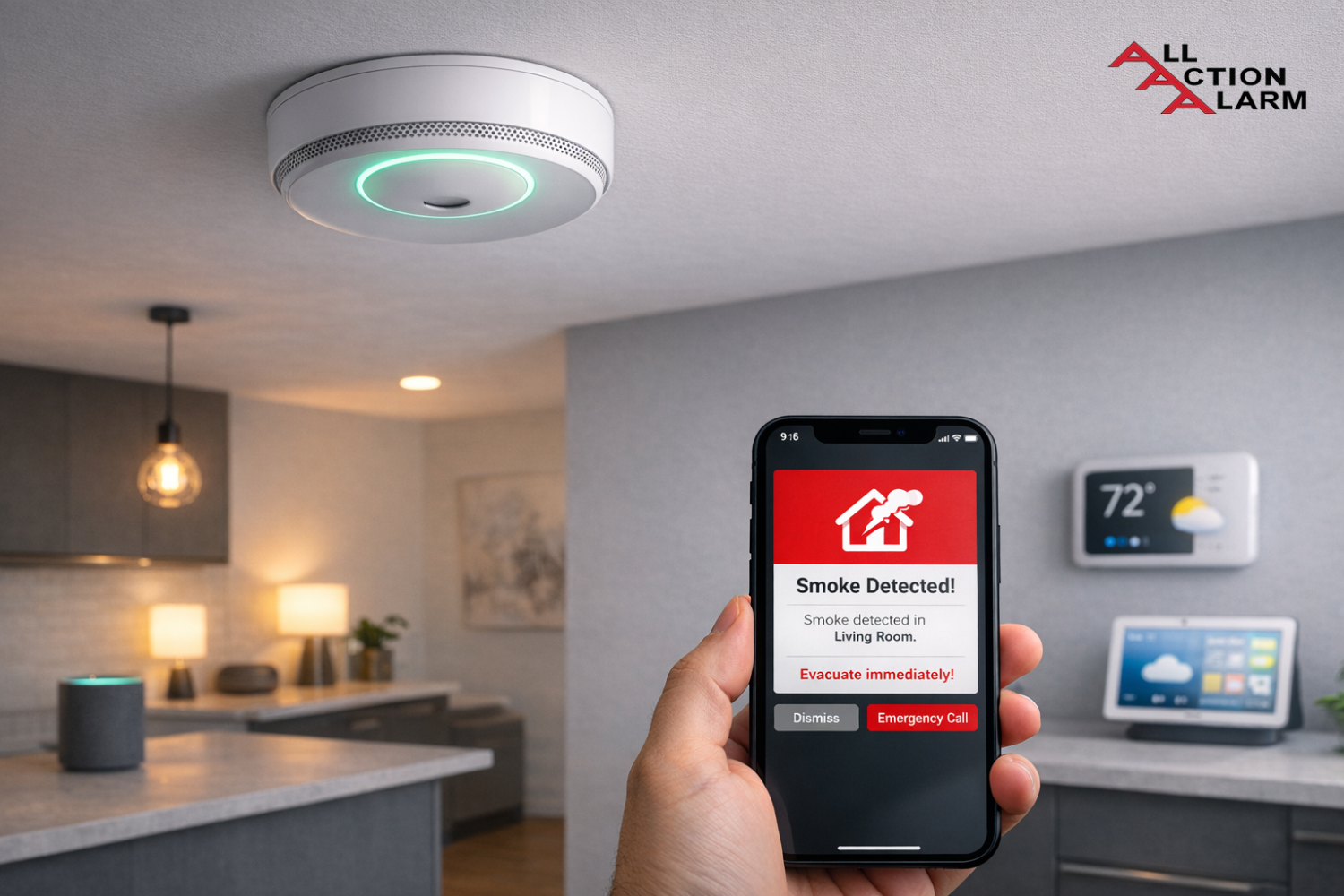
These devices detect smoke (and often carbon monoxide too) and send alerts directly to your smartphone or tablet. Many also come with voice alerts, which can tell you exactly where the danger is, such as “Smoke detected in the kitchen.” This is incredibly helpful in larger homes or for those with children or elderly family members.
One major feature that sets smart detectors apart is their ability to integrate with other smart devices in your home. When connected, a smart smoke detector can trigger smart lights to turn on (lighting your exit path), send alerts to your security system, or even shut down HVAC systems to slow smoke circulation.
So in short, think of a smart smoke detector as your home’s fire safety system on steroids—intelligent, proactive, and always connected.
How Smart Smoke Detectors Work
Let’s peel back the tech curtain and see how these devices actually operate. Smart smoke detectors use a combination of traditional smoke-sensing technologies—usually photoelectric sensors (which detect smoldering fires) and ionization sensors (better for fast flames)—along with internet-enabled components like Wi-Fi modules or Zigbee/Z-Wave chips for smart home integration.
Once smoke or heat is detected, the smart detector triggers three key actions:
-
Local Alarm: It sounds a siren just like any traditional detector would.
-
Remote Notification: Sends an alert to your connected smartphone or other devices through the app.
-
Smart Device Triggering: Communicates with other smart home gadgets (like lights or thermostats) to respond to the event.
Most smart detectors also perform regular self-checks, reporting low battery, sensor issues, or connectivity problems via their app. Some models even give you a detailed history of events, so you know when the last test was run or if there’s been any sensor degradation.
And here’s the cool part—many modern detectors use cloud-based machine learning to minimize false alarms (from burnt toast, for example). That means fewer annoying beeps and more accurate alerts.
Key Features of Smart Smoke Detectors
Smart smoke detectors are loaded with features that go far beyond the traditional “beep and hope you hear it.” These innovations are designed not only to enhance safety but also to provide convenience and peace of mind. Let’s dig into the standout features you should know about:
-
Real-Time Alerts
One of the most valuable features is the ability to receive real-time alerts on your smartphone or other connected devices. Whether you’re at the office, on vacation, or just in the backyard, you’ll know instantly if smoke or carbon monoxide is detected in your home. This allows you to take immediate action—call emergency services, check security camera feeds, or contact someone nearby. -
Mobile Notifications and App Integration
Through dedicated mobile apps, smart detectors can give you updates like:-
Alarm status
-
Battery life
-
Sensor health
-
Alert history
-
Most apps also let you silence false alarms remotely. Burned dinner again? No need to climb up on a chair to press a button—just tap on your phone.
-
Integration with Smart Home Ecosystems
Smart detectors often work seamlessly with smart home platforms like Google Home, Amazon Alexa, Apple HomeKit, and Samsung SmartThings. This allows for automation like:-
Flashing smart lights during an alarm
-
Unlocking smart locks to help with emergency exit
-
Pausing HVAC systems to prevent the spread of smoke
-
-
Voice Alerts and Location Information
Instead of a generic alarm beep, many smart smoke detectors use voice alerts that clearly announce the type of danger and the room it’s coming from. For example, “Smoke detected in the hallway.” That specificity can be life-saving, especially at night or when kids are in the house. -
Self-Testing and Maintenance Alerts
Gone are the days of manually testing your detector every month. Smart units run self-checks regularly and notify you if something’s off. Whether it’s a sensor issue or a low battery, you’ll be informed before it becomes a problem. -
Dual Sensing Capabilities
Some models detect both smoke and carbon monoxide, reducing the need for multiple devices in the same room. These combo detectors simplify installation and increase safety coverage. -
Battery Monitoring and Backup Power
Smart smoke detectors let you know in advance when battery levels are low—no more unexpected chirping at 3 a.m. Some even come with long-life lithium batteries that last 5–10 years or have hardwired options with battery backup in case of power failure.
These features combine to make smart smoke detectors not just a replacement for old tech—but a major upgrade that enhances your entire smart home ecosystem.
Types of Smart Smoke Detectors
Not all smart smoke detectors are created equal. They come in various types to suit different needs, preferences, and home layouts. Let’s break down the main categories:
1. Smoke-Only Smart Detectors
These are designed to detect smoke from fires using either photoelectric, ionization, or dual-sensor technology. They connect to your smartphone for alerts and maintenance notifications but only monitor for smoke—not gas or other threats.
-
Best for: Homes already equipped with carbon monoxide detectors or in areas where smoke is the primary concern.
2. Smoke and Carbon Monoxide (CO) Combo Units
These dual-function devices can detect both smoke and carbon monoxide, which is a deadly, odorless gas that can come from faulty heating systems or gas appliances. Combo units are more comprehensive and reduce the number of devices you need in your home.
-
Best for: Most households—especially those with gas stoves, fireplaces, or attached garages.
3. Battery-Powered Smart Detectors
These are easy to install and don’t require any wiring. Many use lithium batteries that last for several years without needing replacement.
-
Best for: Renters or anyone who doesn’t want to mess with electrical systems.
4. Hardwired Smart Detectors
These units connect directly to your home’s electrical system and usually have a backup battery in case of power failure. They can also interconnect with other detectors for synchronized alerts.
-
Best for: New homes or renovations where electrical wiring access is available.
5. Interconnected Systems
Some smart detectors communicate with each other wirelessly across your entire home. If one alarm goes off, they all do—making sure everyone, in every room, hears the warning.
-
Best for: Large homes or multi-story properties.
When choosing a type, consider your home’s layout, your budget, and whether you’re looking to install them yourself or hire a professional. Don’t overlook compatibility either—some models only work with specific smart home platforms.
Top Benefits of Using a Smart Smoke Detector
Still wondering whether upgrading to a smart smoke detector is really worth it? Let’s talk benefits—because these devices offer much more than just high-tech buzz. They’re built to make your life easier, your home smarter, and your family safer. Here’s why making the switch is one of the smartest decisions you can make:
1. Faster Response Times
Traditional smoke alarms can only alert those within earshot. But what if you’re at work, out for dinner, or traveling abroad? Smart smoke detectors send instant alerts to your phone or even to multiple family members’ devices. This allows for immediate action—like calling 911 or alerting neighbors—potentially reducing damage and saving lives.
2. Remote Monitoring
This one’s a game-changer. With remote monitoring, you can check in on your smoke detectors anytime, anywhere. You’ll know the system’s status, see if any alarms have been triggered, and silence false alarms from your smartphone. Whether you’re upstairs or in another state, you stay in control.
3. Enhanced Accuracy
Many smart smoke detectors use dual-sensor technology (photoelectric and ionization), minimizing false alarms and ensuring that both fast-burning and smoldering fires are detected. Plus, some models use machine learning to get better over time—distinguishing between burnt toast and an actual fire.
4. Smart Home Integration
When paired with other smart devices, these detectors become part of a powerful ecosystem. Imagine:
-
Your smart lights flashing red during an emergency
-
Smart locks unlocking automatically for easier escape
-
Your HVAC system shutting down to stop smoke circulation
It’s like having your home respond intelligently to protect you in a crisis.
5. Voice Alerts Improve Clarity
Instead of a single beep or siren, many smart smoke detectors offer clear voice alerts. You’ll hear something like, “Smoke detected in the basement.” That’s incredibly useful in large homes or for children, elderly residents, or those with hearing challenges.
6. Ongoing System Health Monitoring
Smart detectors routinely check themselves and notify you about:
-
Low batteries
-
Sensor malfunctions
-
Connectivity issues
You’ll never again be surprised by a dead detector during an emergency—or be annoyed by middle-of-the-night chirping.
7. Insurance Discounts
Many insurance companies now offer discounts for homes equipped with smart safety devices, including smoke detectors. That means you may see real financial benefits from making your home safer and smarter.
8. Peace of Mind
At the end of the day, it’s all about feeling secure. Knowing your home is protected, your devices are connected, and you’ll be alerted no matter where you are? That peace of mind is priceless.
Installation Process: What You Need to Know
So, you’re sold on the benefits and ready to install your smart smoke detectors—but where do you begin? The good news is, installation can be simple, especially if you choose battery-powered models. But there are a few important steps to get the most out of your system.
DIY vs. Professional Installation
Most smart smoke detectors are designed with DIY in mind. Installation usually involves:
-
Downloading the manufacturer’s app
-
Scanning a QR code on the device to connect it to Wi-Fi
-
Mounting the detector using screws or adhesive
However, if you’re dealing with hardwired models or want detectors that integrate into an advanced home automation system, professional installation might be your best bet. An electrician can ensure correct wiring and placement without safety risks.
Optimal Placement in Your Home
It’s not just about putting up detectors—it’s about placing them where they’ll be most effective.
Here are general guidelines:
-
Install a smoke detector in every bedroom
-
Place one outside each sleeping area
-
Have at least one on every level of your home, including the basement
-
Avoid installing too close to bathrooms (steam can trigger false alarms) or kitchen stoves (same reason)
For carbon monoxide detection, place combo units near gas appliances, furnaces, or attached garages—areas where CO buildup is most likely.
Common Mistakes to Avoid
-
Ignoring manufacturer instructions: Always follow specific setup directions.
-
Skipping Wi-Fi connection: Without it, you lose smart features like alerts and monitoring.
-
Failing to test: After installation, run a full test through the app to ensure it’s functioning correctly.
-
Bad placement: Detectors need to be mounted on ceilings or high on walls—not tucked in corners or behind furniture.
Taking the time to install and position your detectors correctly ensures you’re getting the full benefit—and maximum safety—from your investment.
Smart Smoke Detector vs Traditional Detector
So, how do smart smoke detectors really stack up against the old-school ones? Let’s do a side-by-side comparison to see where the differences lie—and why smart options are clearly the future.
| Feature | Traditional Detector | Smart Smoke Detector |
|---|---|---|
| Alerts When You’re Away | ❌ | ✅ |
| Mobile App Control | ❌ | ✅ |
| Voice Alerts | ❌ | ✅ |
| Smart Home Integration | ❌ | ✅ |
| Self-Testing | ❌ | ✅ |
| Battery Alerts | ❌ (Chirping only) | ✅ (App notifications) |
| Carbon Monoxide Detection | Sometimes | Often combo units |
| Cost | Low upfront cost | Higher initial cost, long-term savings |
| Insurance Discounts | Rarely applicable | Often available |
Safety Implications
Traditional smoke detectors absolutely save lives. But they have limitations—mainly, they can’t help if you’re not home to hear them. Smart detectors expand that protection by alerting you wherever you are, improving reaction time, and reducing false alarms that can lead to complacency.
Cost-Effectiveness Over Time
Yes, smart smoke detectors typically cost more upfront—usually between $80 and $150 per unit. But when you factor in:
-
Reduced risk of home damage
-
Potential insurance savings
-
Fewer false alarms and replacements
-
Extended battery life
…it’s easy to see how they become a smart financial investment in the long run.
Smart Home Integration Possibilities
If your home is already loaded with smart tech—lights, locks, thermostats—then a smart smoke detector is a natural extension. The real magic happens when these devices talk to each other. Smart home integration isn’t just about convenience; it enhances your home’s safety ecosystem, creating an environment that reacts intelligently to danger.
Connecting with Voice Assistants
Most smart smoke detectors are compatible with popular voice assistants, which opens up a whole new level of control:
-
Amazon Alexa
Some detectors allow Alexa to announce alerts like “Smoke detected in the kitchen” through Echo devices across your home. You can also ask, “Alexa, what’s the status of my smoke alarm?” -
Google Assistant
Google-compatible detectors offer similar functions. You can get voice alerts or use your smart display to silence alarms and get updates. -
Apple HomeKit
For Apple users, integration with HomeKit provides secure, encrypted control through the Apple Home app or Siri. Automate scenes where an alarm triggers specific smart actions, like unlocking the front door and turning on hallway lights.
Automated Safety Responses
Here’s where things get really smart—when a fire or smoke event is detected, your home can react instantly and intelligently.
Possible automations include:
-
Turning on all lights to help you see clearly in smoke
-
Unlocking smart door locks to speed up evacuation
-
Sending alerts to your security system or emergency contacts
-
Shutting down HVAC systems to slow smoke spread
-
Activating indoor cameras to capture video evidence or check in on pets
Integration with Other Smart Devices
Smart smoke detectors can be part of a larger home automation workflow. Let’s say you use IFTTT (If This Then That), SmartThings, or other platforms. You could create custom automation like:
-
If smoke is detected, then send a text message to a family member.
-
If carbon monoxide is detected, then open smart windows or activate air purifiers.
These types of integrations make your home not just smart, but proactive—responding to danger before it becomes catastrophic.
How to Choose the Right Smart Smoke Detector for Your Home
Choosing the right smart smoke detector can feel overwhelming with so many models on the market. But it really boils down to a few critical factors. Here’s a breakdown to help you pick the best one for your space and lifestyle.
1. Consider the Size and Layout of Your Home
-
Large or multi-story homes may need interconnected detectors that communicate wirelessly.
-
Smaller homes or apartments may only require one or two well-placed units.
Make sure to follow guidelines about placement (bedrooms, hallways, basements) to ensure full coverage.
2. Decide Between Battery-Powered or Hardwired
-
Battery-powered models are easier to install and more flexible in terms of placement.
-
Hardwired detectors (with battery backup) provide continuous power and are typically used in new constructions or renovations.
3. Look for Combo Units
If you want comprehensive protection, go for a model that combines smoke and carbon monoxide detection. This eliminates the need for multiple devices and simplifies maintenance.
4. Check for Smart Home Compatibility
Before buying, confirm that the detector works with your existing ecosystem:
-
Google Home
-
Amazon Alexa
-
Apple HomeKit
-
Samsung SmartThings
-
IFTTT
This ensures smooth integration and lets you build useful automations.
5. Evaluate Brand Reputation and Support
Go with trusted names that have strong user reviews and reliable customer support. Top brands include:
-
Nest Protect (by Google)
-
First Alert Onelink
-
Kidde Smart Smoke Alarms
-
X-Sense Smart Alarms
6. Compare App Features
A robust companion app makes all the difference. Look for one that offers:
-
Real-time alerts
-
Device testing
-
Battery and sensor health checks
-
Alarm history logs
-
Easy firmware updates
7. Set Your Budget
Smart smoke detectors typically range from $70 to $150. While that’s more than a basic alarm, the added safety, convenience, and insurance perks often make the extra cost worthwhile.
If you have multiple floors or bedrooms, look for multi-pack deals to save more.
Maintenance and Troubleshooting Tips
A smart smoke detector is only as good as its upkeep. Thankfully, these devices make maintenance much easier than traditional alarms—but there are still a few things you should stay on top of. Following a few essential Smoke Alarm Safety Tips can help ensure your system works properly when it matters most.
Regular Testing
Smart detectors usually test themselves weekly or monthly, but you should still:
-
Run a manual test through the app once a month
-
Listen for audible sirens and verify app alerts
-
Test all interconnected units if your system supports it
Most apps will guide you step-by-step.
Battery Replacement and Monitoring
Even smart devices run on batteries—though some use long-life lithium that lasts up to 10 years. Your app will notify you when battery levels are low, but don’t wait until the last minute.
Tips:
-
Replace regular batteries once a year (if applicable)
-
Clean battery contacts if alarms act up
-
If a device isn’t responding, check battery placement and polarity
Firmware Updates
Yes, your smoke detector may get software updates! These can fix bugs, improve performance, or enhance features. Ensure your app and device firmware are up to date.
Cleaning and Sensor Health
Dust and debris can interfere with sensors over time. Every few months:
-
Gently vacuum the vents using a brush attachment
-
Wipe the exterior with a dry cloth
-
Don’t use water or cleaning sprays—it can damage sensors
Common Troubleshooting Issues
| Problem | Solution |
|---|---|
| False alarms | Clean device; check placement (avoid kitchens/bathrooms) |
| No app alerts | Check Wi-Fi connection; reboot device |
| App not recognizing device | Reset detector and re-pair with app |
| Chirping sounds | Check battery or end-of-life warning |
Keep a note of your device’s lifespan—most detectors should be replaced every 7–10 years, even smart ones.
Privacy and Security Concerns
Smart smoke detectors offer advanced protection—but like any connected device, they come with questions about privacy and security. After all, when your fire alarm connects to the internet, it’s fair to wonder: who else is listening?
Let’s break it down so you can make informed decisions without unnecessary paranoia.
1. Data Privacy
Most smart smoke detectors collect minimal data, such as:
-
Device usage history
-
Battery and sensor status
-
App interactions
-
Alerts and test logs
Some may collect anonymized usage data to improve performance (like optimizing false alarm detection), but this typically doesn’t include personal info.
What you can do:
-
Review the privacy policy of the manufacturer
-
Check what data is being collected in your app’s settings
-
Disable unnecessary features (like audio recording, if included)
2. Microphones and Listening Devices
Not all smart detectors have microphones—but some, like the Nest Protect, use them for voice alerts and ambient noise monitoring (to ensure the alarm is loud enough). However, these mics are not always “listening” in the way your smart speaker is.
Tips:
-
Look for detectors without microphones if privacy is a concern
-
Disable voice features if not needed
-
Turn off third-party integrations you don’t use
3. Hacking Risks
Any internet-connected device can, in theory, be hacked—especially if left unprotected. A compromised detector could, at worst, fail to alert or send incorrect notifications.
How to stay secure:
-
Always keep your firmware up to date
-
Use strong, unique passwords for your smart home system
-
Enable two-factor authentication where available
-
Place detectors on a secure home network (consider using a guest network for IoT devices)
4. Trusted Brands Make a Difference
Well-known brands like Google (Nest), First Alert, and Kidde tend to prioritize cybersecurity. They encrypt data, secure device communication, and offer regular updates. Buying from a reputable manufacturer reduces the risk of shady practices or poor data protection.
In short, smart smoke detectors don’t pose huge privacy risks—but it’s always good to stay informed. Being smart about smart tech means knowing where your data goes and how to lock it down.
Cost Breakdown: Are Smart Detectors Worth It?
When you first look at smart smoke detectors, the price tag might give you pause. A basic smoke detector costs about $10–$20. Meanwhile, smart versions range from $70 to $150 per unit. So the big question is: are they really worth it?
Let’s take a deeper look at the cost vs. value.
Upfront Costs
Basic Smoke Detector:
-
$10 to $25
-
Smoke-only detection
-
No alerts or integration
Smart Smoke Detector:
-
$70 to $150+
-
Mobile alerts, smart integration, self-testing, voice alerts
-
Often includes carbon monoxide detection too
If you need multiple units for your home (which you probably do), the cost can add up. For a typical 3-bedroom house, expect to pay $300–$600 for smart coverage.
Long-Term Savings
While smart detectors cost more upfront, they can save you money over time:
-
Insurance discounts: Many home insurance providers offer 5–10% off for having connected safety devices.
-
Lower damage risk: Quicker alerts mean fires are caught faster, potentially reducing property loss and cleanup costs.
-
Fewer false alarms: Reduces nuisance calls to the fire department and fines in certain areas.
-
Battery savings: Long-life lithium batteries (up to 10 years) mean fewer replacements.
Value-Added Benefits
Here’s where the value really shines:
-
Peace of mind when you’re away from home
-
Smarter home automation that helps in real emergencies
-
Reduced risk of injury or loss
-
Easier maintenance and longer lifespan
Should You Upgrade?
Yes, if you:
-
Have a smart home ecosystem
-
Travel frequently or leave kids/pets at home
-
Value enhanced safety and instant alerts
Maybe not yet, if you:
-
Live in a small space and rarely leave
-
Are on a tight budget
-
Rent and can’t modify your electrical systems
Still, even in small apartments, a single smart smoke detector can be a wise investment—especially if it also detects carbon monoxide.
Future of Smart Smoke Detection Technology
Technology doesn’t stand still—and neither do smart smoke detectors. As homes get smarter and more connected, fire safety is set to evolve in incredible ways. Here’s a glimpse into what’s on the horizon:
1. AI and Machine Learning Integration
Future detectors may use artificial intelligence to learn your environment. That means better accuracy, fewer false alarms, and adaptive responses based on your home’s layout and habits.
Imagine a detector that recognizes the difference between burnt toast and real danger—or even anticipates risk based on temperature trends or cooking activity.
2. Integration with Emergency Services
Some smart detectors are already starting to offer direct dispatch features. That means if an alarm goes off and there’s no response from the homeowner, emergency services are contacted automatically. Expect this feature to become more common, especially with paid monitoring services.
3. Real-Time Air Quality Monitoring
Why stop at smoke and CO? New detectors are beginning to monitor:
-
PM2.5 levels (fine dust)
-
VOC (volatile organic compounds)
-
Humidity and temperature
That turns your smoke detector into an indoor air quality guardian, helping with allergies, asthma, and long-term health.
4. Smart City and IoT Expansion
As smart homes become part of smart cities, fire data from your detector could be shared anonymously with local agencies to track fire hazards across neighborhoods. This kind of large-scale connectivity could help improve urban safety standards and disaster response times.
5. Voice and Visual Interfaces
Expect more detectors with:
-
Built-in speakers
-
LCD or LED displays
-
Multi-language support
Voice alerts will become more conversational and possibly even interactive (“Would you like me to call emergency services?”).
The future is bright—and a little safer—with smart smoke detectors leading the charge.
User Reviews and Real-Life Experiences
Still on the fence? Let’s hear from the people who’ve already made the switch. Real-life users often offer the most honest insights into what it’s like living with smart smoke detectors.
Positive Experiences
-
Laura from California: “I was on vacation when I got an alert about smoke in my kitchen. I called my neighbor, and sure enough—my toaster had shorted out. The house could’ve burned down. So glad I invested in the Nest Protect.”
-
James from Florida: “We have two kids and elderly parents living with us. The voice alerts helped wake everyone and guide them to safety during a small electrical fire. The lights came on automatically. It worked like magic.”
-
Maria from New York: “The integration with Alexa is seamless. I tested the alarm and got instant voice notifications in every room. Way better than our old system.”
Challenges Reported
-
Wi-Fi dependency: Some users report issues when their Wi-Fi goes down or if the signal doesn’t reach certain parts of the home.
-
False alarms: Though rare, they still happen—especially near kitchens. Cleaning and proper placement help prevent them.
-
Higher cost: Some regret buying the most expensive models without using all the features. Matching features to your lifestyle is key.
User Recommendations
-
Read instructions carefully
-
Keep the app updated
-
Place detectors away from kitchens or vents
-
Set up automation—it makes a huge difference
Conclusion
Smart smoke detectors are no longer a luxury—they’re a modern necessity. With the ability to send real-time alerts, integrate with your smart home, and provide peace of mind even when you’re away, these devices are changing the way we think about home safety.
Yes, they come with a higher upfront cost. But the value they offer—in safety, convenience, and even potential savings—makes them a worthwhile investment for most homeowners.
Whether you’re building a smart home from the ground up or just starting to dip your toes in the world of connected devices, upgrading your smoke detectors is a smart, forward-thinking move. After all, nothing is more important than protecting your home and the people in it.
FAQs
1. Can smart smoke detectors work without Wi-Fi?
Yes, they still function as regular smoke detectors if Wi-Fi is unavailable. However, you’ll lose app features and remote alerts until connectivity is restored.
2. Do smart smoke detectors really make a difference?
Absolutely. They offer quicker alerts, fewer false alarms, and smart integrations that traditional detectors simply can’t match.
3. Are smart detectors compatible with older homes or wiring?
Battery-powered smart detectors are perfect for older homes. Hardwired versions may require minor electrical work or professional installation.
4. What happens if the power goes out?
Most models have backup batteries to continue working during outages, keeping your home protected even without electricity.
5. How often should I replace my smart smoke detector?
Like traditional detectors, smart units should be replaced every 7 to 10 years. Always follow the manufacturer’s recommendations.
About All Action Alarm: Your Trusted Partner in Home Security Solutions
When it comes to protecting your home and loved ones, there’s no room for compromise. At All Action Alarm, we take home security to the next level by offering top-tier protection with cutting-edge technology and expert monitoring services that you can rely on. As a leader in the security industry, we’re committed to keeping homes and businesses safe, providing peace of mind 24/7.
Check out Fire Alarm System Upgrade and Get Started with All Action Alarm Today!
Don’t wait for an emergency to take action. Protect your home and family with the best in the business. Call (631) 549-7225 to schedule your consultation, or visit allactionalarm.com to learn more about our services.
Your safety is our top priority.
Sources:
https://www.consumerreports.org/home-garden/smoke-carbon-monoxide-detectors/buying-guide/
https://www.kidde.com/home-safety/en/us/products/smoke-carbon-monoxide-alarms/

 Ca.garcia.s, CC BY-SA 4.0
  Image by
