
Smart Lights: Upgrade Your Home with Smart Lighting Solutions

- Understanding Smart Video Clips in Home Surveillance - March 5, 2026
- Access Control Installation - March 2, 2026
- Fire Alarm Systems - February 27, 2026
2. How Smart Lights Work
Technology Behind Smart Lights
Smart lighting use wireless communication protocols such as Wi-Fi, Bluetooth, Zigbee, and Z-Wave to connect with mobile apps or smart home hubs. These technologies allow users to control their lights from anywhere, eliminating the need for physical switches. Each protocol has its own advantages—Wi-Fi-based lights offer direct control, while Zigbee and Z-Wave require a hub but consume less power. Understanding these technologies helps users choose the right smart lighting setup.
Integration with Smart Home Systems
Smart lighting can be integrated into larger smart home ecosystems like Amazon Alexa, Google Home, and Apple HomeKit. This integration enables users to set up voice control, automate routines, and sync lights with other devices such as thermostats and security systems. For example, users can create a “good night” routine where all lights turn off at a specific time. This seamless integration enhances the convenience and functionality of a smart home.
The Role of IoT (Internet of Things) in Smart Lighting
IoT technology enables smart lights to communicate with other connected devices in a home or office. This allows advanced automation, such as lights turning on when motion is detected or adjusting brightness based on daylight availability. IoT-driven lighting systems can also collect usage data to optimize energy consumption. As IoT continues to evolve, smart lighting will become even more intuitive and efficient.
3. Types of Smart Lights
Smart Bulbs
Smart bulbs are the most common type of smart lighting, offering features like remote control, dimming, and color-changing capabilities. They are available in various sizes and brightness levels, making them suitable for different rooms and applications. Some popular smart bulbs, like Philips Hue and LIFX, can work without a hub, while others require a central controller. Their plug-and-play design makes them an easy way to start with smart lighting.
Smart LED Strips
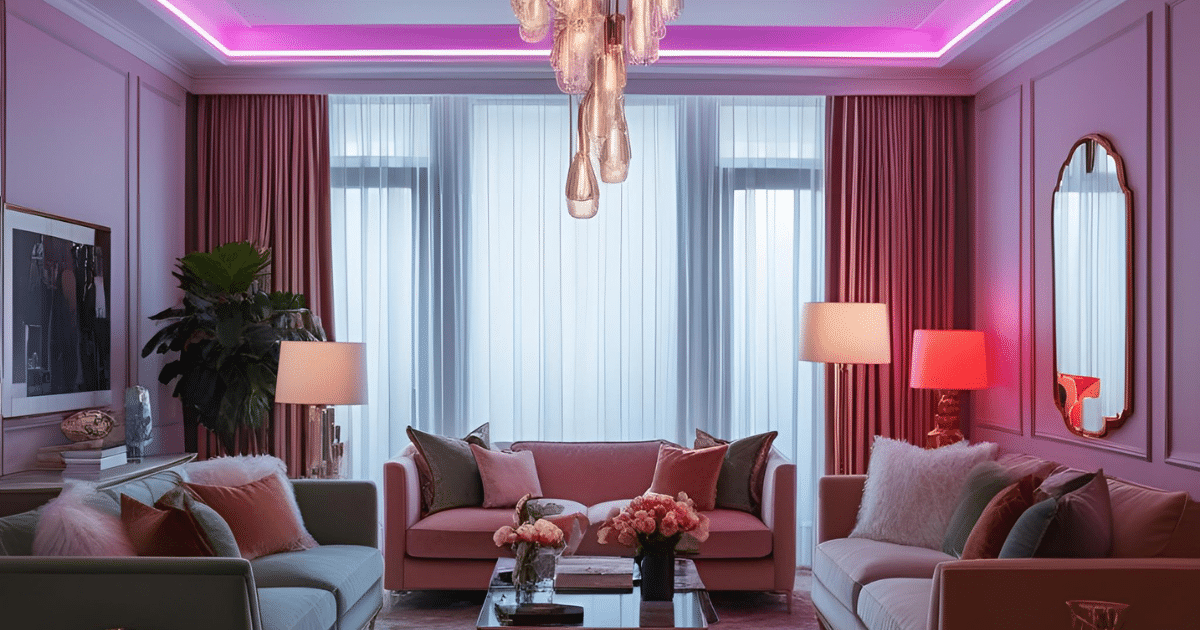
LED strips provide flexible lighting options that can be placed under cabinets, along walls, or behind TVs for decorative purposes. These strips often come with customizable colors and brightness settings, making them ideal for mood lighting. Many smart LED strips can sync with music or movies, creating immersive entertainment experiences. They are commonly used in gaming setups, home theaters, and modern interior designs.
Smart Light Switches and Dimmers
Unlike smart bulbs, smart switches replace traditional wall switches, allowing users to control regular bulbs remotely. These switches are ideal for people who want to keep their existing light fixtures but still enjoy smart lighting benefits. Some models include dimming functionality, enabling users to adjust brightness levels without needing dimmable bulbs. They are particularly useful in households with multiple family members who prefer using wall switches rather than apps or voice assistants.
Smart Outdoor Lighting
Smart outdoor lighting includes motion-activated security lights, pathway lights, and decorative garden lights. These lights enhance security by automatically turning on when motion is detected, deterring intruders. They can also be scheduled to turn on at sunset and off at sunrise, making them energy-efficient. Weather-resistant designs ensure durability in various climate conditions.
4. Features of Smart Lighting Systems
Remote Control via Apps
One of the key advantages of smart lighting is the ability to control them using smartphone apps. Whether at home or away, users can turn lights on or off, adjust brightness, and even change colors. This feature is particularly useful for people who travel frequently, as they can simulate presence by controlling lights remotely. Some apps also provide energy consumption insights, helping users reduce electricity usage.
Dimmable and Color-Changing Options
Smart lights allow users to customize brightness and color temperature to create different moods. For instance, warm white light can create a cozy atmosphere, while cool white light is ideal for focus and productivity. Some smart bulbs also offer millions of color options, enabling users to set vibrant themes for parties or relaxation. These features enhance ambiance and cater to different lighting needs throughout the day.
Scheduling and Automation
With scheduling features, users can program smart lights to turn on or off at specific times. This automation is beneficial for energy savings, as lights won’t be left on unnecessarily. For example, users can set lights to gradually brighten in the morning as a natural alarm clock or dim in the evening to signal bedtime. Automation also improves security by ensuring outdoor lights activate when needed.
Motion Sensing and Adaptive Brightness
Some smart lighting systems include motion sensors that trigger lights when movement is detected. This feature is useful for security purposes and energy efficiency, as lights only turn on when needed. Additionally, adaptive brightness adjusts the lighting intensity based on natural daylight availability, reducing eye strain and electricity consumption. These intelligent features make smart lighting more responsive to user needs, making them a key component of Intelligent Home Automation.
5. Benefits of Using Smart Lights
Energy Efficiency and Cost Savings
Smart lights use LED technology, which consumes significantly less power than traditional incandescent bulbs. Combined with automation and dimming features, users can further reduce energy waste and lower electricity bills. Some systems even provide reports on energy consumption, allowing homeowners to track and optimize usage. In the long run, smart lighting proves to be an eco-friendly and cost-effective investment.
Enhanced Convenience and Ease of Use
With voice control, remote access, and automation, smart lights offer a hassle-free lighting experience. Users no longer need to get up to switch lights on or off, as everything can be controlled via smartphone or voice commands. This convenience is particularly beneficial for individuals with mobility issues or those who frequently forget to turn off lights. Customizable settings also allow users to personalize their lighting preferences effortlessly.
Security Benefits
Smart lighting can enhance home security by working alongside cameras and alarm systems. Motion-activated lights deter intruders by illuminating outdoor areas when movement is detected. Additionally, users can schedule lights to turn on and off at different times while they’re away, creating the illusion of occupancy. These security features help prevent burglaries and keep homes safer.
Personalization and Mood Setting
One of the biggest advantages of smart lights is the ability to create different lighting moods. Whether it’s a romantic dinner, a gaming session, or a relaxing evening, smart bulbs can be adjusted to match the ambiance. Some systems even sync with music or movies, enhancing entertainment experiences. The ability to switch between warm and cool lighting also promotes well-being by supporting natural sleep cycles.


 Ca.garcia.s, CC BY-SA 4.0
  Image by
  Qolsys