
Smart Thermostat – The Future of Home Climate Control
 Qolsys
- Access Control Installation - March 2, 2026
- Fire Alarm Systems - February 27, 2026
- Alarm Alerts and Notification System - February 27, 2026
Smart thermostats are designed to learn user preferences, optimize energy usage, and integrate seamlessly with other smart home devices. As energy prices rise and environmental concerns grow, these devices have become essential for modern, energy-conscious homes.
This article explores how smart thermostats work, their benefits, key features, and how they can help save money while keeping homes comfortable year-round. Whether you’re new to home automation or considering an upgrade, this guide will help you understand why smart thermostats are the future of climate control.
What is a Smart Thermostat?
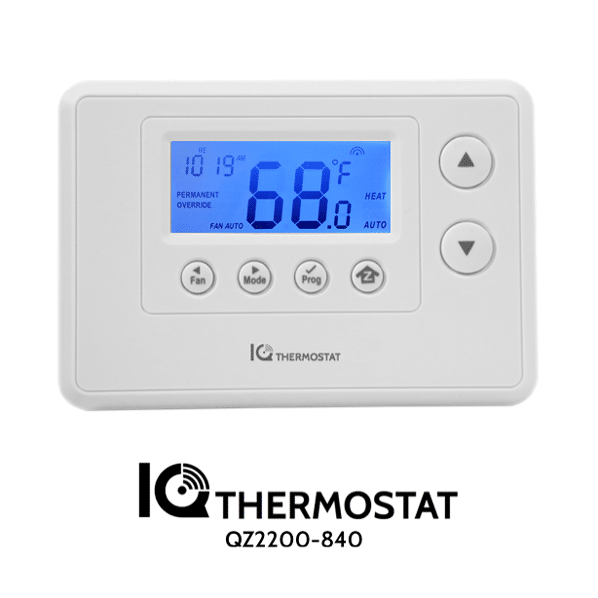
A smart thermostat is an advanced temperature control device that allows users to remotely manage and automate heating and cooling systems through Wi-Fi connectivity. Unlike traditional thermostats that require manual input, smart thermostats learn from user behavior, adjust temperature settings automatically, and provide real-time energy consumption data.
Key Features That Differentiate Smart Thermostats from Traditional Ones:
-
Wi-Fi Connectivity – Allows users to control the thermostat remotely via a smartphone, tablet, or computer.
-
Automation & Learning Capabilities – Many smart thermostats analyze usage patterns and adjust temperatures based on daily routines.
-
Integration with Smart Home Systems – Compatible with voice assistants like Amazon Alexa, Google Assistant, and Apple HomeKit.
-
Energy Usage Reports – Provides insights into heating and cooling patterns, helping homeowners reduce energy costs.
-
Geofencing – Adjusts temperature based on the user’s location, automatically turning systems off when no one is home.
Why Smart Thermostats Are Becoming Popular
With the rise of smart homes and the Internet of Things (IoT), people are increasingly looking for ways to make their homes more efficient and comfortable. Smart thermostats offer a perfect solution by saving money on energy bills while ensuring optimal indoor temperatures at all times.
How Smart Thermostats Work
1. Sensors and Connectivity
Smart thermostats use various sensors, including temperature, humidity, and motion sensors, to monitor conditions inside and outside the home. They collect data and adjust heating or cooling systems accordingly to maintain comfort and efficiency.
2. AI and Machine Learning
Many advanced smart thermostats, such as the Nest Learning Thermostat, use artificial intelligence (AI) and machine learning to understand a household’s routine. Over time, they create customized schedules that maximize comfort and minimize energy waste.
For example, if a homeowner typically lowers the temperature at night, a smart thermostat will learn this pattern and adjust automatically—eliminating the need for manual adjustments.
3. Integration with Smart Home Systems
Smart thermostats seamlessly integrate with other smart home devices, including:
-
Smart lights (adjust lighting based on occupancy)
-
Smart locks (adjust temperature when doors are locked/unlocked)
-
Voice assistants (enable hands-free control with voice commands)
4. Mobile and Remote Control
With Wi-Fi connectivity, users can adjust temperature settings from anywhere using their smartphones. Whether they’re at work, on vacation, or just in another room, they can control heating and cooling with ease.
Key Features of Smart Thermostats
1. Remote Control via Smartphone Apps
Smart thermostats allow users to adjust settings remotely using mobile apps. Some even offer real-time alerts when unusual temperature changes occur, ensuring that homeowners can act quickly if something goes wrong.
2. Learning Algorithms for Automated Scheduling
Most smart thermostats learn daily routines and preferences over time. For example, if you typically leave for work at 8 AM, the thermostat will automatically reduce heating/cooling during that period to save energy.
3. Geofencing Technology
Geofencing uses GPS location tracking to determine when the homeowner is near or away from home. This feature ensures that the thermostat automatically adjusts the temperature when the home is unoccupied, leading to significant energy savings.
4. Voice Control Compatibility
Smart thermostats can be controlled using voice assistants like:
-
Amazon Alexa
-
Google Assistant
-
Apple Siri
Simply saying, “Alexa, set the temperature to 72°F” can instantly adjust your home’s climate without lifting a finger.
5. Energy Usage Reports
Many smart thermostats provide detailed energy reports, helping homeowners track their heating and cooling costs and find ways to improve efficiency.
Benefits of Using a Smart Thermostat
1. Energy Efficiency & Cost Savings
One of the biggest advantages of smart thermostats is energy efficiency. Studies show that these devices can reduce energy bills by up to 20%. By automatically adjusting temperature settings based on user behavior, they prevent unnecessary heating and cooling.
2. Convenience & Ease of Use
With automation and remote access, homeowners no longer have to constantly adjust settings. Smart thermostats take care of everything, learning preferences and adapting accordingly.
3. Environmental Impact
Reducing energy consumption doesn’t just lower bills—it also benefits the environment. Smart thermostats help reduce carbon footprints by ensuring that HVAC systems operate only when necessary.
4. Customization & Automation
Smart thermostats offer highly customizable schedules that adapt to your daily routine. Whether you prefer a warmer home in the morning or a cooler setting at night, these devices ensure maximum comfort without wasting energy.

 Ca.garcia.s, CC BY-SA 4.0
  Image by
