
Understanding Smart Video Clips in Home Surveillance

- Understanding Smart Video Clips in Home Surveillance - March 5, 2026
- Access Control Installation - March 2, 2026
- Fire Alarm Systems - February 27, 2026
Introduction
Home security has undergone a dramatic transformation over the past decade. Gone are the days when surveillance meant installing bulky CCTV cameras that recorded endless hours of footage that no one had time to review. Today, smart video clips home video surveillance systems are changing the way homeowners monitor and protect their properties. These intelligent systems capture only the most relevant moments, turning hours of boring footage into short, meaningful clips that actually matter.
Imagine having a security guard who only alerts you when something important happens—someone approaches your door, a package is delivered, or movement occurs in your backyard. That’s essentially what smart video clip surveillance does. Instead of forcing homeowners to sift through long recordings, the system automatically identifies events and creates short video segments that highlight activity. This approach saves time, storage space, and mental energy.
Another major advantage of these systems is accessibility. With the rise of smartphones and cloud-connected devices, homeowners can view video clips instantly from anywhere in the world. Whether you’re at work, traveling, or simply in another room, your surveillance system can send alerts directly to your phone the moment something unusual happens. This level of convenience has made smart surveillance systems one of the fastest-growing segments in the home security market.
According to industry reports, the global smart home security market is projected to surpass $90 billion by 2030, largely driven by demand for intelligent video surveillance solutions. Homeowners increasingly prefer systems that combine artificial intelligence, cloud storage, and real-time notifications. Smart video clips sit at the center of this trend, transforming traditional cameras into proactive security tools.
In the sections ahead, we’ll explore how smart video clips work, why they’re becoming essential for modern home security, and how you can choose the best system for your needs.
What Are Smart Video Clips?
At its core, a smart video clip is a short recorded segment captured automatically when a surveillance system detects an event. Instead of recording continuously for hours or days, modern security cameras rely on intelligent algorithms to determine when something meaningful is happening. When motion or activity is detected, the system creates a short clip—usually lasting between 10 seconds and a few minutes—so you can quickly review what happened.
Think of it like highlights from a sports game. Instead of watching the entire three-hour match, you get the most important moments packaged into a quick summary. Smart video clips work the same way, condensing surveillance footage into digestible, actionable pieces of information.
These clips are usually triggered by several types of events:
-
Motion detection
-
Person detection
-
Vehicle detection
-
Package delivery recognition
-
Sound detection such as glass breaking or alarms
Artificial intelligence plays a key role here. Older motion detection systems were notorious for false alarms triggered by blowing leaves, passing cars, or pets. Modern smart surveillance cameras use AI-powered object recognition to differentiate between people, animals, and objects. This dramatically reduces unnecessary alerts and ensures that the clips generated are actually relevant.
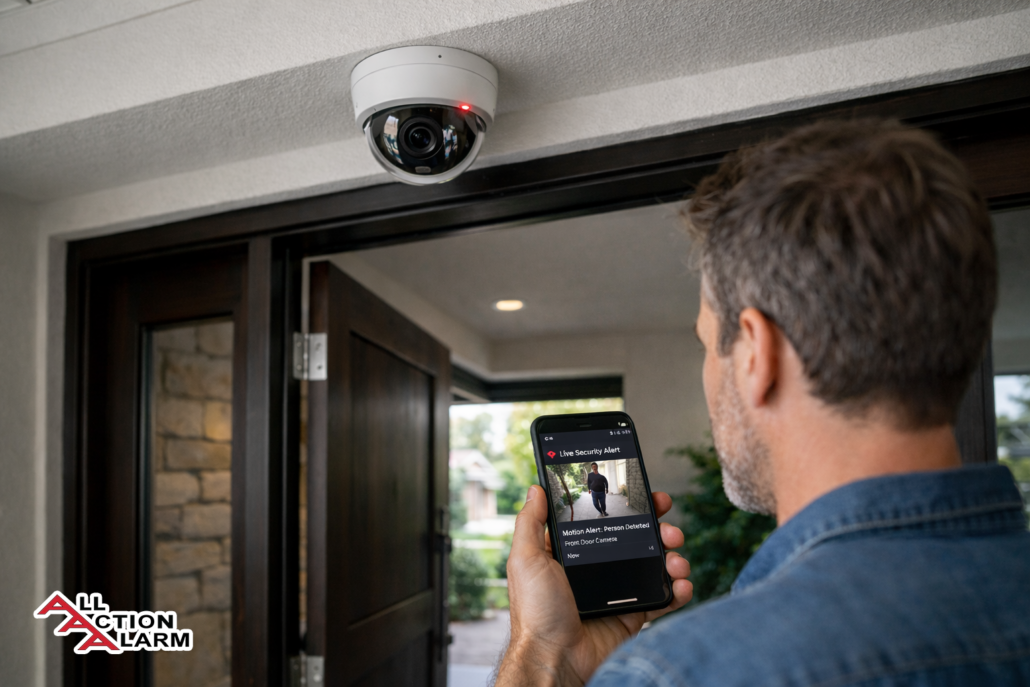
Another advantage of smart video clips is the way they integrate with mobile apps. When an event occurs, homeowners receive a notification along with the clip itself. This allows them to immediately see what triggered the alert without logging into complicated systems or scrolling through endless footage.
Storage efficiency is another huge benefit. Continuous video recording requires enormous amounts of storage space. Smart clips reduce this burden by saving only meaningful moments. Many systems combine local storage with cloud backup, ensuring that important events are preserved even if the camera is damaged or stolen.
As smart homes become more interconnected, these clips can also integrate with other devices. For example, a camera detecting motion could automatically turn on smart lights, activate alarms, or send alerts to security services.
Smart video clips represent a shift from passive recording to intelligent surveillance—and that shift is redefining how we think about home security.
How Smart Video Clips Work in Modern Security Systems
Behind the simplicity of receiving a short video alert lies a surprisingly sophisticated technology stack. Smart video clip surveillance systems combine hardware sensors, artificial intelligence, cloud computing, and mobile connectivity to create a seamless monitoring experience.
The process begins with the camera itself. Modern security cameras include high-resolution sensors, infrared night vision, microphones, and motion detection technology. These sensors constantly analyze their surroundings in real time. Instead of recording everything, the camera runs algorithms that detect changes in the scene.
Once motion is detected, the system evaluates the event using AI-powered analysis. This stage determines whether the activity is worth recording. For example, the system might identify:
-
A person walking toward the front door
-
A vehicle entering the driveway
-
A package placed on the porch
-
A pet running across the yard
If the activity meets predefined conditions, the camera begins recording and generates a smart video clip. Many cameras also include a feature called pre-roll recording, which captures a few seconds before the motion event occurs. This ensures that the clip provides full context rather than starting after the action has already begun.
After recording, the clip is processed and uploaded to the cloud or stored locally depending on the system configuration. Cloud-based systems are particularly popular because they allow users to access footage from anywhere. The system then sends a push notification to the user’s smartphone, often including a thumbnail preview or the full video clip.
One fascinating aspect of modern surveillance technology is how it continues to learn over time. Many systems incorporate machine learning, which means the camera gradually becomes better at recognizing patterns and filtering out irrelevant activity. For example, if a camera repeatedly detects a family pet moving through the living room, it can learn to ignore those movements while still alerting the homeowner if an unfamiliar person appears.
Integration with smart home ecosystems is another powerful capability. Cameras can connect with platforms like Google Home, Amazon Alexa, and Apple HomeKit, enabling automation routines. Imagine receiving a smart clip showing someone at your front door and instantly unlocking the door for a family member—or triggering a loud alarm if the person appears suspicious.
These systems essentially act as digital sentinels, watching over your home 24/7 while ensuring you only see the moments that truly matter.
Evolution of Home Video Surveillance Technology
Home security has come a long way from grainy black-and-white cameras and tangled wires running through ceilings. If you rewind a couple of decades, home video surveillance was something mainly used by businesses, banks, or large institutions. Installing cameras in a home was expensive, complicated, and often required professional monitoring services. Fast forward to today, and homeowners can install sophisticated security systems themselves in under an hour. The real game-changer in this transformation is the rise of smart video clips and intelligent monitoring technology.
Traditional surveillance systems relied on constant recording. Cameras captured footage non-stop and stored it on local DVR systems. While this method ensured everything was recorded, it created a massive problem—too much footage. Imagine trying to find a single suspicious moment in 48 hours of continuous video. It was like searching for a needle in a haystack. Many homeowners simply stopped reviewing recordings altogether unless something major happened.
Then came the era of smart home technology. Internet connectivity, cloud computing, and artificial intelligence allowed surveillance cameras to become smarter, faster, and more efficient. Instead of functioning as passive recording devices, modern cameras now actively analyze what they see. They detect movement, recognize faces, identify objects, and instantly create short clips of important activity.
This shift from passive recording to event-based surveillance completely changed how people interact with their security systems. Instead of logging into a monitor and scrolling through endless footage, homeowners now receive instant alerts directly on their smartphones. Within seconds, they can see exactly what triggered the alert—a person approaching the door, a car entering the driveway, or a package delivered by a courier.
Industry experts often describe this evolution as the difference between watching a security feed and having a digital security assistant. Smart systems do the heavy lifting by identifying relevant events and filtering out unnecessary noise.
Another factor driving this evolution is affordability. According to market research from Statista, the number of smart homes worldwide is expected to exceed 785 million by 2028. Security cameras are one of the most common smart devices installed in these homes. Companies like Ring, Arlo, Google Nest, and Eufy have made high-quality surveillance technology accessible to everyday homeowners.
The result? A new generation of security systems that are smarter, more responsive, and easier to manage than ever before.
Traditional CCTV vs Smart Video Surveillance
To truly understand the value of smart video clip surveillance, it helps to compare it with traditional CCTV systems. Both technologies aim to monitor spaces and improve security, but the way they operate is drastically different.
Traditional Closed-Circuit Television (CCTV) systems were built around continuous recording. Cameras captured footage 24 hours a day and stored it on hard drives or DVRs. While this approach ensured nothing was missed, it created significant challenges in terms of storage, maintenance, and usability. A typical system might generate hundreds of gigabytes of footage every week, requiring constant storage upgrades and manual review.
Another drawback of older systems was the lack of intelligence. CCTV cameras simply recorded whatever happened in front of them without analyzing the scene. If a tree branch moved in the wind or a stray cat wandered through the yard, the system recorded it exactly the same way it would record a person entering the property.
Smart surveillance systems take a completely different approach. Instead of recording everything, they focus on events that matter. Using artificial intelligence and motion detection algorithms, the camera determines when something significant is happening and records only those moments as short clips.
The difference becomes clear when you compare the two systems side by side:
| Feature | Traditional CCTV | Smart Video Clip Surveillance |
|---|---|---|
| Recording Style | Continuous recording | Event-based recording |
| Storage Usage | Very high | Optimized and efficient |
| Alerts | Usually none | Real-time mobile notifications |
| Intelligence | No object recognition | AI-powered detection |
| Accessibility | Often local monitors only | Remote access via smartphone |
One of the biggest advantages of smart surveillance is speed of awareness. Instead of discovering an incident hours later while reviewing footage, homeowners receive immediate alerts the moment something happens. This can make a critical difference in situations like attempted break-ins or suspicious activity.
Another important factor is convenience. Modern systems integrate with mobile apps, voice assistants, and other smart devices. With just a few taps on a smartphone, users can review clips, adjust camera settings, or communicate through two-way audio.
In many ways, traditional CCTV systems resemble old film cameras—reliable but limited. Smart video surveillance, on the other hand, functions more like a smartphone camera with built-in intelligence, constantly analyzing and optimizing the way it captures important moments.
The Role of Artificial Intelligence in Security Cameras
Artificial intelligence is the secret ingredient that makes smart video clips possible. Without AI, modern surveillance cameras would simply be motion detectors with recording capabilities. With AI, they become intelligent observers capable of understanding what they see.
One of the most important applications of AI in surveillance cameras is object recognition. Instead of merely detecting movement, AI algorithms analyze the shape, size, and behavior of objects within the frame. This allows the system to differentiate between people, vehicles, animals, and inanimate objects.
For example, imagine a camera monitoring your driveway. A traditional motion sensor might trigger alerts every time a car drives past your house or when leaves blow across the yard. An AI-powered camera, however, can identify whether a vehicle actually enters the driveway or whether someone walks toward the front door.
Another powerful AI feature is facial recognition. Some advanced surveillance systems can learn to recognize familiar faces, such as family members, roommates, or frequent visitors. When these individuals appear on camera, the system can send customized alerts like “John is at the front door.” This reduces unnecessary notifications while still maintaining security awareness.
AI also plays a crucial role in behavior analysis. Cameras can detect unusual patterns, such as someone lingering near a doorway for an extended period or attempting to access restricted areas. These patterns may trigger alerts even if the person hasn’t physically entered the home.
Machine learning allows these systems to improve over time. As the camera gathers more data about its environment, it becomes better at filtering out irrelevant activity. For instance, if the camera frequently detects your dog running through the backyard, it can learn to ignore that motion while still flagging unfamiliar activity.
Security experts believe AI will continue transforming home surveillance in the coming years. Emerging technologies such as predictive analytics, anomaly detection, and real-time threat assessment are already being tested in advanced systems.
Think of AI as the brain behind the camera. While the lens captures the scene, artificial intelligence interprets it—deciding what matters, what doesn’t, and when you should be notified.
Key Features of Smart Video Clip Surveillance Systems
When people first hear about smart video clip home surveillance, they often imagine it as just another camera with motion detection. In reality, modern surveillance systems are far more sophisticated. They combine advanced hardware, intelligent software, and cloud connectivity to create a proactive security network that works around the clock. These features work together to ensure that homeowners are notified only when something important happens.
One of the most important characteristics of smart surveillance is event-driven recording. Instead of saving hours of useless footage, the system records specific moments triggered by movement, sound, or recognized objects. This drastically reduces the amount of video that needs to be stored or reviewed. For busy homeowners, this is incredibly valuable. Instead of scanning hours of footage, you receive short clips that immediately show what happened.
Another essential feature is high-definition video quality. Modern cameras typically record in 1080p, 2K, or even 4K resolution. Clear video is not just about aesthetics—it plays a critical role in identifying people, reading license plates, and capturing important details during incidents. Many systems also include HDR (High Dynamic Range) technology, which helps balance bright sunlight and dark shadows so that images remain clear in challenging lighting conditions.
Night vision is equally important. Security threats rarely occur at convenient times, so smart surveillance cameras use infrared LEDs or color night vision technology to capture clear footage even in total darkness. Some cameras also activate built-in floodlights when motion is detected, improving visibility and potentially deterring intruders.
Another powerful feature is two-way audio communication. This allows homeowners to speak through the camera using their smartphone. For example, if a delivery driver arrives, you can give instructions about where to place a package. If a stranger approaches the property, the ability to communicate instantly can act as a deterrent.
Many systems also integrate with smart home ecosystems. Cameras can work alongside doorbells, alarms, lights, and locks. When motion is detected, the system might automatically turn on outdoor lights or activate an alarm siren. These automated responses create layers of security that extend beyond simple monitoring.
Security expert Bruce Schneier once stated, “Security is always a trade-off between convenience and protection.” Smart surveillance systems aim to reduce that trade-off by making protection easier and more accessible than ever.
With all these capabilities combined, smart video clip surveillance systems don’t just watch—they analyze, alert, and assist, transforming passive cameras into intelligent guardians for modern homes.
Motion Detection and Event-Based Recording
One of the defining features of smart video clip surveillance systems is their ability to detect motion and record events intelligently. At first glance, motion detection might seem like a simple technology, but modern systems have turned it into a highly refined capability that dramatically improves both efficiency and accuracy.
Early motion detection systems worked using basic pixel changes in the camera’s field of view. If enough pixels changed between frames, the camera assumed movement had occurred and triggered recording. While this approach worked in theory, it often produced countless false alerts. Wind blowing leaves, passing headlights, or even shifting shadows could trigger unnecessary recordings.
Smart surveillance systems solve this problem using advanced motion analysis combined with artificial intelligence. Instead of merely detecting movement, the camera analyzes the type of movement. It evaluates factors like shape, speed, direction, and size to determine whether the activity is relevant.
Many modern cameras include customizable motion zones, which allow homeowners to specify exactly where motion should trigger recording. For instance, you might want the system to monitor your front door and driveway but ignore movement on a nearby street. By defining these zones, the camera focuses only on areas that matter.
Event-based recording also ensures that each detected event is saved as a short video clip rather than a long recording. These clips usually include a few seconds before the motion begins and a few seconds after it ends. This provides context for the event, allowing users to see what happened before and after the trigger.
The benefits of event-based recording include:
-
Less storage consumption
-
Faster video review
-
More meaningful alerts
-
Improved battery life for wireless cameras
Battery efficiency is particularly important for wireless cameras. Continuous recording would drain batteries quickly, but event-based recording allows devices to operate for months on a single charge.
Another advantage is real-time alerts. When motion is detected, the camera instantly sends a notification to the user’s smartphone. In many cases, the notification includes the video clip itself, enabling homeowners to see exactly what triggered the alert without opening the full app.
This technology essentially transforms surveillance cameras from passive observers into active event detectors, ensuring that homeowners are always informed when something important occurs.
Cloud Storage and Smart Notifications
A surveillance system is only as useful as its ability to store and retrieve footage when needed. This is where cloud storage and smart notifications become essential components of modern smart video clip surveillance systems.
Traditionally, security footage was stored on local devices such as DVRs or hard drives. While this method worked, it had several weaknesses. If the recording device was damaged, stolen, or destroyed, the footage could be lost permanently. Additionally, accessing recordings often required being physically present near the system.
Cloud storage changes this completely. When a smart camera records an event, the video clip is automatically uploaded to secure remote servers. This means that even if the camera itself is damaged or removed, the footage remains safely stored in the cloud.
Cloud storage also enables remote access from anywhere in the world. Homeowners can review video clips, download footage, or share recordings with authorities using a smartphone, tablet, or computer. This convenience is one of the main reasons cloud-based surveillance systems have become so popular.
Many companies offer subscription plans that provide additional benefits such as:
| Feature | Basic Storage | Premium Cloud Storage |
|---|---|---|
| Video History | 24 hours | 30–60 days |
| Smart Alerts | Limited | Advanced AI alerts |
| Video Sharing | Basic | Easy export & sharing |
| Event Filtering | No | Yes |
Smart notifications add another layer of intelligence. Instead of sending generic motion alerts, modern systems can provide context-aware notifications. For example:
-
“Person detected at the front door”
-
“Package delivered”
-
“Vehicle detected in driveway”
These detailed notifications help homeowners understand exactly what is happening without even opening the app. Some systems also include thumbnail previews or animated GIF alerts, allowing users to see the event instantly.
Another useful feature is priority alerts. If the system detects potentially dangerous activity—such as someone attempting to open a door—it can send a more urgent notification or trigger additional security actions like activating alarms or lights.
Cloud storage and smart notifications work together to ensure that homeowners remain connected to their property at all times. Whether you’re at work, traveling abroad, or simply relaxing in another room, your surveillance system acts as a digital lookout—constantly watching and ready to notify you when something matters.
Benefits of Using Smart Video Clips for Home Security
Smart home technology has dramatically reshaped how people approach security, and smart video clips in home video surveillance sit right at the center of this transformation. Instead of relying on passive monitoring systems that require manual review, modern surveillance cameras actively help homeowners stay informed and protected. The benefits go far beyond convenience—they influence response times, storage efficiency, and overall peace of mind.
One of the biggest advantages is instant situational awareness. Traditional surveillance required homeowners to review recordings after an incident occurred. Smart systems flip this model completely. They notify users in real time the moment something unusual happens. Whether someone approaches your front door, a delivery arrives, or unexpected motion occurs in your backyard, the system sends an alert along with a short video clip showing exactly what happened.
Another major benefit is time efficiency. Reviewing hours of surveillance footage is tedious and often unrealistic for most people. Smart video clips eliminate this problem by presenting only relevant events. Imagine receiving five short clips throughout the day rather than scanning ten hours of recordings. The difference is like watching a movie trailer instead of the entire unedited film reel.
Storage efficiency is another key factor. Continuous recording consumes massive amounts of storage space. By recording only event-based clips, smart surveillance systems drastically reduce storage needs. This also lowers costs for cloud storage subscriptions and ensures important footage is easier to locate.
Smart video clip systems also enhance deterrence. Visible cameras combined with smart alerts can discourage potential intruders. When someone approaches a property and notices a camera, especially one with lights or two-way audio, they’re more likely to reconsider their actions. According to a study conducted by the University of North Carolina, about 60% of convicted burglars said they avoid homes with visible security systems.
Another underrated advantage is family monitoring and convenience. Smart cameras don’t just catch suspicious activity—they also help homeowners stay connected with everyday events. Parents can check when children arrive home from school, homeowners can monitor pets, and residents can confirm when packages are delivered.
In many ways, these systems act like a digital neighborhood watch, constantly observing activity and alerting you when something deserves attention. Instead of relying solely on alarms after a break-in occurs, smart surveillance helps detect and respond to situations much earlier.
With benefits ranging from security and convenience to cost savings and peace of mind, it’s no surprise that smart video clip systems are quickly becoming a standard feature in modern homes.
Faster Incident Detection and Response
Speed is one of the most critical factors in security. The faster you become aware of a situation, the faster you can take action. Smart video clip surveillance systems excel at rapid incident detection, turning cameras into real-time alert systems rather than passive recording tools.
In traditional surveillance setups, incidents were often discovered long after they occurred. For example, a homeowner might notice a missing package hours later and then scroll through recordings to determine what happened. With smart video clip technology, the process is reversed. The system immediately detects motion or activity and sends an alert within seconds.
This instant notification provides several advantages. First, it allows homeowners to assess the situation immediately. Instead of guessing what triggered an alert, users receive a video clip showing the event. This clarity helps determine whether the situation is harmless—such as a delivery—or something that requires attention.
Second, fast alerts enable direct interaction with visitors or intruders. Many smart cameras include two-way audio, allowing homeowners to speak through the camera using a smartphone app. If a suspicious person approaches the property, the homeowner can instantly communicate with them. Even a simple message like “Can I help you?” can discourage unwanted behavior.
Third, rapid detection can support emergency response. If homeowners see signs of a break-in or suspicious activity, they can contact authorities immediately and provide real-time information. Video clips can also be shared with law enforcement to help identify suspects or understand what happened.
Smart surveillance systems also allow custom alert settings. Users can configure different notification types depending on the situation. For instance:
-
Person detection alerts for entry points
-
Vehicle alerts for driveways
-
Package alerts for front porch deliveries
-
Activity alerts for specific zones like garages or backyards
These customizable settings ensure users are informed about events that matter most while reducing unnecessary notifications.
Security analysts often compare smart alerts to having a personal security assistant. Instead of constantly monitoring cameras, the system watches for you and notifies you when something requires attention.
In a world where time matters, the ability to detect and respond quickly can make a significant difference in preventing incidents before they escalate.
Reduced Storage Requirements
One of the biggest technical challenges in surveillance systems has always been storage. Video files are large, and continuous recording can quickly consume enormous amounts of space. Smart video clips dramatically reduce storage requirements, making surveillance systems far more efficient and manageable.
To understand the difference, consider a typical high-definition security camera recording continuously. A single 1080p camera can generate 10–20 GB of video data per day depending on compression settings. Multiply that by several cameras and a few weeks of storage, and the numbers quickly become overwhelming.
Smart surveillance systems solve this problem by focusing only on event-based recordings. Instead of storing hours of inactivity, the system records short clips triggered by motion or specific events. These clips are usually only a few seconds or minutes long, which significantly reduces the amount of stored data.
This approach offers several benefits. First, it lowers the cost of cloud storage subscriptions. Many providers charge based on storage duration or data limits. By storing only relevant clips, users can maintain longer video histories without paying for massive storage plans.
Second, reduced storage makes it easier to find important footage. When reviewing recordings, users don’t have to search through hours of empty scenes. Instead, they see a timeline of events with clearly labeled clips such as “Person detected” or “Vehicle detected.”
Another benefit is improved device performance. Systems that store large amounts of continuous footage often require powerful hardware to process and manage the data. Event-based recording reduces the workload on both cameras and storage devices.
Battery-powered cameras benefit even more from this approach. Continuous recording would drain batteries rapidly, but smart event recording allows cameras to conserve power and operate for months between charges.
The difference can be summarized simply: traditional surveillance captures everything, while smart systems capture what matters. By focusing only on meaningful events, smart video clip technology creates a more efficient and practical approach to home security.
Types of Smart Surveillance Cameras
When exploring smart video clips home video surveillance, one of the first things homeowners notice is the wide variety of camera types available. Not all surveillance cameras are designed for the same environment. Some are optimized for indoor monitoring, while others are built to withstand rain, heat, dust, and extreme outdoor conditions. Understanding these categories helps homeowners choose a system that matches their security needs.
Smart surveillance cameras typically fall into two main categories: indoor cameras and outdoor security cameras. Each type has unique features tailored to the environment in which it operates. Indoor cameras often prioritize compact design, privacy controls, and easy installation, while outdoor cameras emphasize durability, weather resistance, and extended viewing ranges.
Another difference lies in power and connectivity options. Some cameras are wired, connecting directly to power sources and networks. Others are wireless or battery-powered, making installation easier for renters or homeowners who prefer a do-it-yourself setup. Many modern devices also support Wi-Fi connectivity, allowing seamless integration with smartphones and smart home systems.
Field of view is another factor. Indoor cameras often provide wide-angle views to monitor entire rooms, while outdoor cameras may include zoom lenses or pan-tilt capabilities to cover larger outdoor spaces. Certain models even allow users to remotely rotate the camera to view different areas.
Some advanced systems combine indoor and outdoor coverage into a complete home security ecosystem. For example, a homeowner might install cameras at entry points, inside common living spaces, and around the perimeter of the property. All these cameras work together through a single mobile app, delivering synchronized alerts and video clips.
Another growing trend is the inclusion of doorbell cameras, which function as both a security camera and a communication device. When someone presses the doorbell or approaches the entrance, the camera records a smart video clip and notifies the homeowner instantly.
Security professionals often recommend layering surveillance in multiple areas of the home. Outdoor cameras act as the first line of defense, while indoor cameras provide additional visibility if someone manages to enter the property.
Choosing the right camera type ultimately depends on the size of the property, the homeowner’s security goals, and the level of coverage required. With today’s technology, it’s easier than ever to build a flexible surveillance system that fits any home environment.
Indoor Smart Cameras
Indoor smart cameras are among the most common components of modern home surveillance systems. These devices are designed to monitor activity inside the home, providing visibility into areas such as living rooms, hallways, entryways, and home offices. While they play an important role in security, they also serve several everyday purposes that extend beyond protection.
One of the most appealing aspects of indoor cameras is their compact and minimalist design. Unlike older surveillance equipment that looked bulky and industrial, modern indoor cameras are sleek and discreet. Many are small enough to sit on a shelf or mount unobtrusively on a wall or ceiling. This design allows them to blend seamlessly into home environments without drawing too much attention.
Indoor cameras often feature wide-angle lenses, typically ranging from 120 to 180 degrees. This wide field of view allows a single camera to monitor an entire room. Some advanced models include pan-and-tilt functionality, which enables users to control the camera remotely and adjust the viewing direction through a mobile app.
Another major benefit of indoor cameras is two-way communication. Built-in microphones and speakers allow homeowners to talk with family members, pets, or visitors through the camera. For example, parents can check in with children after school or remind them about homework. Pet owners often use cameras to watch their pets and even interact with them during the day.
Privacy is a major concern with indoor monitoring, so manufacturers have introduced features like privacy shutters, scheduled recording, and activity zones. These tools allow users to control when the camera is active and what areas it monitors. Some cameras even automatically disable recording when recognized household members are detected.
Indoor cameras also integrate seamlessly with smart video clip technology. When motion occurs inside the home, the camera records a short clip and sends a notification to the user. This ensures homeowners are aware of unusual activity without constantly checking live feeds.
In addition to security, indoor cameras can function as general home monitoring tools. People use them to monitor elderly relatives, check on babysitters, or simply keep an eye on daily household activity.
With their flexibility, ease of installation, and intelligent features, indoor smart cameras have become an essential part of many modern smart homes.
Outdoor Smart Security Cameras
While indoor cameras help monitor activity inside the home, outdoor smart security cameras serve as the first line of defense against potential threats. Positioned around the exterior of a property, these cameras monitor entrances, driveways, backyards, garages, and other vulnerable areas.
Outdoor cameras are specifically engineered to handle harsh environmental conditions. They typically include weatherproof casings rated under standards like IP65 or IP67, meaning they can withstand rain, dust, heat, and cold temperatures. This durability ensures the camera continues operating reliably throughout the year.
Visibility is a critical factor for outdoor security. Most outdoor cameras include powerful night vision capabilities, allowing them to capture clear footage even in complete darkness. Some models go a step further by offering color night vision using built-in floodlights. When motion is detected, the lights activate automatically, illuminating the area and often discouraging intruders.
Many outdoor systems also include motion-activated sirens and lights. These features transform the camera into an active deterrent rather than just a recording device. If suspicious movement is detected, the camera can flash lights or trigger an alarm, drawing attention to the area.
Another important feature is long-distance detection. Outdoor cameras often monitor larger spaces than indoor models, so they use advanced sensors capable of detecting movement across wider ranges. Combined with AI-powered object recognition, the camera can distinguish between people, animals, and vehicles.
Placement plays a crucial role in outdoor surveillance effectiveness. Security experts commonly recommend installing cameras in the following locations:
-
Front door or main entrance
-
Driveway and garage area
-
Backyard or garden
-
Side entrances or hidden pathways
-
Windows that are easily accessible
When positioned correctly, outdoor cameras create a protective perimeter around the home. If someone approaches the property, the camera records a smart video clip and sends an alert instantly.
Outdoor cameras also integrate with other security devices such as smart locks, doorbells, and alarm systems. This interconnected approach allows homeowners to manage their entire security setup from a single app.
With advanced features like AI detection, floodlights, weatherproof designs, and real-time alerts, outdoor smart cameras play a critical role in maintaining a safe and secure home environment.
Installation and Setup of Smart Video Surveillance
Installing a smart video clips home video surveillance system might sound like a complex technical project, but modern systems are designed to be surprisingly user-friendly. In fact, one of the main reasons smart surveillance has become so popular is that many systems can be installed and configured by homeowners themselves without professional help. Whether you choose a do-it-yourself setup or hire an expert, understanding the installation process helps ensure the system operates effectively.
The first step in installation is planning camera placement. Before mounting any device, homeowners should walk around the property and identify key areas that require monitoring. Entry points such as doors, windows, garages, and driveways are usually top priorities. These locations are where most security incidents begin, so having clear camera coverage is essential.
Once locations are determined, the next step is choosing the camera power method. Some cameras are wired and connect directly to electrical power and internet routers through Ethernet cables. Wired cameras tend to provide stable connections and continuous operation. However, they require more installation effort. Wireless and battery-powered cameras, on the other hand, offer greater flexibility and are easier to install but may require periodic battery replacement or charging.
After mounting the cameras, users typically install a mobile app provided by the camera manufacturer. This app becomes the central control hub for the entire surveillance system. Through the app, homeowners can connect cameras to Wi-Fi networks, configure motion detection settings, set recording preferences, and receive smart video clip notifications.
Testing the system is another important step. Once everything is installed, homeowners should trigger motion events intentionally to ensure the cameras capture clips correctly and send alerts. This testing process helps confirm that angles, motion zones, and sensitivity levels are properly adjusted.
Security professionals often emphasize the importance of software updates as part of setup. Smart cameras rely on firmware and cloud software to function effectively. Regular updates improve performance, enhance AI detection, and address potential cybersecurity vulnerabilities.
Even though the installation process has become easier over the years, thoughtful planning still makes a big difference. A well-installed system provides clear footage, accurate alerts, and reliable coverage throughout the property.
When done correctly, the entire setup transforms a house into a digitally monitored environment, where important events are automatically captured and delivered to the homeowner in the form of smart video clips.
DIY Installation vs Professional Setup
One of the most common questions homeowners ask when purchasing a surveillance system is whether they should install the cameras themselves or hire a professional installer. Both approaches have advantages, and the best option often depends on the complexity of the system and the homeowner’s comfort with technology.
DIY installation has become extremely popular with modern smart surveillance systems. Many cameras are designed specifically for easy installation. Wireless models often require nothing more than mounting the camera with screws or adhesive brackets, connecting it to Wi-Fi through a smartphone app, and adjusting the camera angle. The entire process can take less than an hour for a single camera.
DIY systems are especially appealing for renters or homeowners who prefer flexibility. Since many cameras are battery-powered and wireless, they can be easily relocated or removed without drilling extensive holes or running cables through walls. Additionally, installing the system yourself eliminates professional installation fees, making it a more budget-friendly option.
Professional installation, however, offers several advantages in more complex setups. Security technicians have experience determining optimal camera placement, configuring networks, and integrating surveillance with other security systems such as alarms and access controls. They can also ensure that wired cameras are installed neatly and securely, with cables hidden inside walls or conduits.
Another benefit of professional installation is system optimization. Experts can adjust camera angles, lighting conditions, and motion detection zones to minimize blind spots and false alerts. For larger properties with multiple cameras, this expertise can make a significant difference in overall security coverage.
Here’s a quick comparison:
| Installation Method | Advantages | Limitations |
|---|---|---|
| DIY Installation | Lower cost, flexible setup, quick installation | Requires basic technical skills |
| Professional Setup | Expert placement, integrated systems, cleaner wiring | Higher installation cost |
Ultimately, both approaches can deliver excellent results if done properly. Many homeowners start with DIY installation and later consult professionals if they expand their security systems.
The key takeaway is that modern smart surveillance systems are designed to be accessible, giving homeowners the freedom to choose the installation method that best suits their needs.
Optimizing Camera Placement for Maximum Coverage
Even the most advanced surveillance camera won’t be effective if it’s placed in the wrong location. Proper placement is one of the most important aspects of building an effective smart video clip home surveillance system. Strategic positioning ensures cameras capture clear footage, detect movement accurately, and minimize blind spots.
Security experts generally recommend focusing on entry points first. Statistics show that a large percentage of home intrusions occur through doors or ground-floor windows. Installing cameras near these areas allows homeowners to monitor anyone approaching the house.
Height is another critical factor. Cameras are typically installed 8 to 10 feet above the ground. This height provides a wide field of view while keeping the device out of easy reach for tampering. It also allows the camera to capture facial details without extreme angles.
Lighting conditions should also be considered carefully. Cameras placed directly facing bright sunlight may struggle with glare and reduced visibility. Similarly, areas with very low lighting may require cameras with enhanced night vision or built-in floodlights.
Another important concept is coverage overlap. Instead of relying on a single camera to monitor a large area, it’s often better to use multiple cameras with overlapping fields of view. This ensures that if one camera misses an angle, another device can capture the event.
Motion detection zones should also be configured after installation. These zones allow the camera to focus only on relevant areas while ignoring unnecessary movement such as traffic on nearby streets or swaying trees.
Some homeowners also choose to place cameras in visible positions as a deterrent. When potential intruders notice surveillance equipment, they may abandon their plans entirely.
A well-planned placement strategy ensures that every smart video clip recorded by the system provides meaningful information. Instead of random footage, each clip becomes a valuable piece of insight into what’s happening around the home.
In many ways, camera placement is like positioning mirrors in a room—you want to capture every angle without leaving gaps. When done correctly, the surveillance system forms a comprehensive visual shield around the property.
Privacy and Security Concerns
While smart video clips home video surveillance systems provide powerful protection and convenience, they also raise important questions about privacy and data security. After all, these cameras are constantly observing environments that often include private spaces, family members, and sensitive activities. For homeowners, balancing security with privacy is essential to ensure the technology enhances safety without creating unintended risks.
One of the most common concerns involves data access and storage. Smart surveillance systems often upload recorded clips to cloud servers where they can be accessed remotely through mobile apps. While this makes it convenient to review footage from anywhere, it also means sensitive data exists outside the home network. If cloud accounts are not properly secured, unauthorized access could become a possibility.
Cybersecurity experts emphasize the importance of strong passwords and two-factor authentication (2FA) when using connected security cameras. These simple measures significantly reduce the risk of hacking attempts. Many manufacturers now include built-in encryption to protect video data as it travels between the camera, the cloud server, and the user’s smartphone.
Another concern involves internal privacy within households. Cameras installed inside homes may capture daily routines, conversations, and personal moments. For this reason, many modern systems include privacy features such as:
-
Privacy shutters that physically block the camera lens
-
Scheduled recording modes that disable cameras during certain hours
-
Geofencing, which automatically turns cameras off when homeowners are present
-
Activity zone customization to avoid monitoring private areas
These tools give homeowners control over how and when cameras operate.
Legal considerations also vary depending on location. In many regions, it is acceptable to record video in areas where there is no expectation of privacy, such as entrances, driveways, and front yards. However, recording audio or filming neighbors’ private property may have legal restrictions. Homeowners should familiarize themselves with local regulations to ensure compliance.
Transparency is another important factor when cameras are used around guests, babysitters, or service workers. Informing people that surveillance is in place helps maintain trust and avoids misunderstandings.
Security researcher Bruce Schneier once remarked, “Technology amplifies both power and risk.” Smart surveillance is a perfect example. When used responsibly, it offers tremendous protection and awareness. But like any connected technology, it requires thoughtful configuration and responsible use.
By understanding privacy concerns and implementing proper safeguards, homeowners can enjoy the benefits of smart video clip surveillance while protecting personal data and respecting the privacy of others.
Protecting Your Surveillance Data
The effectiveness of a smart video clip surveillance system doesn’t depend solely on cameras and sensors—it also depends on how securely the recorded data is protected. Surveillance footage can contain sensitive information such as daily routines, family activities, and property layouts. For this reason, protecting video data should be a top priority for any homeowner using connected security devices.
One of the first steps in protecting surveillance data is choosing a reputable camera manufacturer. Established companies invest heavily in cybersecurity measures such as encrypted data transmission, secure cloud infrastructure, and regular firmware updates. These updates patch vulnerabilities and improve system performance, making them essential for maintaining security over time.
Encryption plays a major role in data protection. Most modern surveillance systems use end-to-end encryption, which ensures that video footage remains unreadable while traveling between the camera and storage servers. Only authorized users with proper credentials can access the decrypted footage through the official app.
Another important protection measure is account security. Many breaches occur not because of weak devices but because of weak passwords. Homeowners should create strong, unique passwords for their surveillance accounts and enable two-factor authentication (2FA) whenever possible. This adds an extra layer of verification, typically requiring a code sent to a mobile device before access is granted.
Network security also matters. Since most cameras connect through Wi-Fi networks, securing the home router is essential. Experts recommend using modern encryption standards such as WPA3, regularly updating router firmware, and avoiding default administrator passwords.
Here are several practical tips to strengthen surveillance data security:
-
Enable two-factor authentication on camera accounts
-
Use unique passwords that are not reused across services
-
Update camera firmware regularly
-
Secure the home Wi-Fi network with strong encryption
-
Review account access logs if available
Some homeowners also prefer cameras that support local storage options, such as microSD cards or network-attached storage devices. This allows footage to remain inside the home network rather than relying entirely on cloud storage.
Protecting surveillance data is similar to locking the doors of a house. The cameras themselves provide security, but the data they capture must also be protected from unauthorized access.
When proper cybersecurity practices are followed, smart video clip systems can remain both powerful security tools and safe digital devices within the modern connected home.
Ethical Considerations of Smart Monitoring
Beyond technical security and privacy settings, ethical considerations play an important role in the use of smart video clip surveillance. Cameras have the potential to influence how people behave, interact, and feel within monitored environments. Responsible usage ensures that surveillance technology protects homes without infringing on the rights or comfort of others.
One of the primary ethical concerns involves informed awareness. When cameras are installed in areas where guests, workers, or visitors may be recorded, it is generally considered good practice to inform them that surveillance is in use. This transparency helps maintain trust and ensures people understand when monitoring is taking place.
For example, if a homeowner installs cameras to monitor a babysitter or house cleaner, disclosing their presence avoids ethical dilemmas. Hidden cameras in private areas can lead to serious legal and moral issues, especially in places like bathrooms or bedrooms where privacy expectations are extremely high.
Another consideration involves monitoring family members, particularly children or elderly relatives. While cameras can provide safety and peace of mind, excessive monitoring may create feelings of discomfort or lack of autonomy. Striking a balance between protection and personal freedom is important.
Neighbors’ privacy is another factor. Cameras positioned outdoors should focus primarily on the homeowner’s property rather than pointing directly at neighboring homes or private spaces. Modern systems help with this through adjustable motion zones and privacy masking, which block certain areas from recording.
Ethics also extend to how recorded footage is used and shared. Surveillance clips should be handled responsibly and shared only when necessary—for instance, when providing evidence of a crime or suspicious activity to authorities.
The rise of smart surveillance technology has sparked ongoing discussions among policymakers, technology companies, and privacy advocates. These conversations aim to establish guidelines that protect both security and civil liberties.
Ultimately, smart surveillance is a tool, and like any tool, its impact depends on how it is used. When homeowners apply thoughtful judgment, respect privacy boundaries, and use transparent practices, smart video clip systems can enhance safety while maintaining ethical responsibility.
Choosing the Best Smart Video Clip Surveillance System
Selecting the right smart video clip home surveillance system can feel overwhelming because the market offers dozens of brands and hundreds of camera models. However, focusing on a few key factors can make the decision much easier and ensure the chosen system meets the homeowner’s needs.
The first factor to consider is video quality. High-resolution cameras capture clearer images and make it easier to identify faces, objects, or license plates. Most modern systems offer at least 1080p resolution, while premium models provide 2K or 4K video for greater detail.
Another important factor is AI detection capabilities. Advanced cameras can distinguish between people, pets, vehicles, and general motion. This intelligent detection significantly reduces false alerts and ensures that the video clips generated are actually relevant.
Connectivity and integration should also be evaluated. Many homeowners prefer cameras that integrate with popular smart home platforms such as Amazon Alexa, Google Home, or Apple HomeKit. This allows voice commands, automation routines, and centralized control through a single app.
Storage options represent another key consideration. Some systems rely entirely on cloud storage subscriptions, while others support local storage through memory cards or home servers. Each option has advantages depending on budget and privacy preferences.
Other features worth evaluating include:
| Feature | Why It Matters |
|---|---|
| Night Vision | Ensures visibility in low-light conditions |
| Motion Zones | Reduces false alerts |
| Two-Way Audio | Allows communication with visitors |
| Battery vs Wired Power | Determines installation flexibility |
| Smart Alerts | Provides detailed event notifications |
Reliability and brand reputation are equally important. Reading user reviews, professional product tests, and security evaluations can help determine whether a system performs well in real-world conditions.
Finally, homeowners should think about future scalability. A system that supports additional cameras and devices allows security coverage to expand as needs evolve.
Choosing a surveillance system is similar to choosing a security team for your home. The right technology should feel dependable, easy to use, and capable of providing clear insights whenever something happens.
With thoughtful selection, a smart video clip surveillance system becomes more than just a camera—it becomes a digital guardian watching over the home day and night.
Conclusion
The rise of smart video clips in home video surveillance has fundamentally transformed how people protect and monitor their homes. Instead of relying on outdated systems that record endless hours of footage, modern surveillance cameras focus on capturing meaningful moments. By automatically detecting motion, analyzing activity with artificial intelligence, and generating short event-based clips, these systems make home security far more efficient and accessible.
Smart surveillance offers several powerful advantages. Homeowners receive real-time alerts when activity occurs, allowing them to respond quickly to potential threats. Event-based recording reduces storage requirements while making it easier to review important footage. Integration with smartphones and smart home devices ensures users remain connected to their property no matter where they are.
The technology continues to evolve as well. Artificial intelligence, cloud computing, and advanced sensors are making cameras smarter and more accurate than ever. Features like person detection, vehicle recognition, night vision, and automated alerts are turning surveillance systems into proactive security assistants rather than passive recording devices.
At the same time, responsible usage remains important. Privacy considerations, data protection practices, and ethical monitoring guidelines help ensure that surveillance systems enhance safety without compromising personal rights or trust.
For homeowners seeking a modern security solution, smart video clip surveillance represents one of the most effective options available today. With thoughtful installation, proper configuration, and the right choice of equipment, these systems provide a powerful layer of protection and peace of mind.
In a world where technology continues to shape how we live, smart surveillance cameras serve as vigilant digital guardians—quietly watching, intelligently analyzing, and ensuring that the moments that matter are always captured.
FAQs
1. What are smart video clips in home surveillance?
Smart video clips are short video recordings automatically generated by surveillance cameras when motion or activity is detected. Instead of recording continuously, the system captures only relevant events and sends them to the user through notifications.
2. Do smart surveillance cameras require a monthly subscription?
Some systems offer free basic features with limited storage, while others require a subscription for extended cloud storage, advanced AI detection, and longer video history.
3. Are smart home security cameras safe from hacking?
Most modern cameras include encryption, secure cloud storage, and two-factor authentication. Using strong passwords and updating firmware regularly significantly reduces security risks.
4. How long do smart video clips stay stored?
Storage duration depends on the system and subscription plan. Some cameras store clips for 24 hours, while premium plans may retain recordings for 30–60 days or longer.
5. Can smart cameras work without internet?
Some cameras can record locally without internet access, but features like remote viewing, cloud storage, and real-time alerts typically require an internet connection.
About All Action Alarm: Your Trusted Partner in Home Security Solutions
When it comes to protecting your home and loved ones, there’s no room for compromise. At All Action Alarm, we take home security to the next level by offering top-tier protection with cutting-edge technology and expert monitoring services that you can rely on. As a leader in the security industry, we’re committed to keeping homes and businesses safe, providing peace of mind 24/7.
Check out Home Video Surveillance Systems and Get Started with All Action Alarm Today!
Don’t wait for an emergency to take action. Protect your home and family with the best in the business. Call (631) 549-7225 to schedule your consultation, or visit allactionalarm.com to learn more about our services.
Your safety is our top priority.
SOURCEs
https://www.arlo.com/en-us/cameras
https://www.statista.com/outlook/dmo/smart-home/worldwide
https://www.statista.com/topics/2430/smart-homes/
https://www.marketsandmarkets.com/Market-Reports/video-surveillance-market-645.html
https://ring.com/security-cameras
https://www.cnet.com/home/security/best-home-security-camera/
https://www.eff.org/issues/surveillance
https://www.kaspersky.com/resource-center/threats/smart-home-security


 Ca.garcia.s, CC BY-SA 4.0