
Window Security

- Understanding Smart Video Clips in Home Surveillance - March 5, 2026
- Access Control Installation - March 2, 2026
- Fire Alarm Systems - February 27, 2026
Understanding the Importance of Window Security
Why Windows Are a Common Target for Intruders
Let’s be honest—when you think about break-ins, you probably picture someone kicking down the front door, right? But in reality, windows are one of the easiest and most attractive entry points for burglars. Here’s why:
-
Accessibility: Ground-floor windows are often easier to reach than doors, especially if they’re hidden from view by fences or bushes.
-
Poor Reinforcement: Many homeowners don’t reinforce their windows beyond the factory-installed latch, which isn’t designed for security.
-
Lack of Visibility: Back and side windows, especially in poorly lit areas, allow intruders to work unnoticed.
Burglars often scout neighborhoods and look for signs of vulnerability—like slightly open windows, low-quality locks, or outdated glass. Think of a window as the Achilles’ heel of your home’s security system unless it’s properly reinforced.
Let’s paint a scenario: You’re away on vacation. The mail is piling up, and the side window by the garage is cracked open for “air circulation.” That single oversight can invite an intruder right into your home—no crowbar needed. And worse, many insurance companies might not even cover the loss due to negligence.
Real-World Statistics on Window Break-Ins
The numbers speak volumes. According to the FBI’s Uniform Crime Reporting (UCR) Program:
-
Over 30% of burglaries occur through unlocked or open windows or doors.
-
Ground-floor windows are the second most common entry point after the front door.
-
Homes without visible security measures are 300% more likely to be targeted.
What does this tell us? It’s not just about having a security system—it’s about making every potential entry point, especially windows, a nightmare for anyone attempting to break in.
Types of Window Locks and Their Effectiveness
Keyed Locks vs. Latch Locks
You’ve probably used latch locks all your life. They’re the little hooks or clamps that come with your windows. But let’s not kid ourselves—they’re better at keeping out a draft than a determined thief.
Latch locks, while convenient, are easy to pry open with a flathead screwdriver or even a butter knife. They’re just not built for security.
Keyed locks, on the other hand, add a serious level of protection. Here’s why:
-
Require a physical key to open, reducing the risk of forced entry.
-
Can be installed on sliding, double-hung, and casement windows.
-
Provide a visible deterrent, especially when paired with security decals or stickers.
Here’s a quick comparison:
| Lock Type | Security Level | Convenience | Cost |
|---|---|---|---|
| Latch Lock | Low | High | $ |
| Keyed Lock | High | Medium | $$ |
| Smart Lock | Very High | High | $$$ |
If you’re serious about protecting your home, ditch the latch and invest in heavy-duty keyed locks—or go one step further with smart technology.
Sliding Window Locks Explained
Sliding windows are notoriously weak points in a home’s defenses. Without reinforcement, they can be lifted or slid open in seconds. Specialized sliding window locks solve that problem:
-
Pin locks insert a metal pin into the frame, preventing the window from sliding.
-
Track locks clamp onto the track and physically block movement.
-
Foot locks can be operated with a foot pedal for added convenience.
What’s great is that most of these options are inexpensive and easy to install, making them a no-brainer for homeowners on a budget.
Smart Window Locks for Modern Homes
Welcome to the future of home security. Smart window locks not only lock and unlock via your smartphone—they can also:
-
Send alerts if a window is tampered with or left open.
-
Integrate with Alexa, Google Home, or Apple HomeKit.
-
Offer remote control access, so you can lock up even when you’re away.
They may cost more upfront, but the peace of mind is priceless. Brands like Yale, August, and Wyze are leading the way with feature-packed smart locks designed specifically for windows.
Reinforcing Window Glass for Extra Protection
Tempered Glass vs. Laminated Glass
Window locks are essential, but what about the glass itself? The reality is, even a secure window can be breached with enough force—unless you upgrade the glass.
Tempered Glass is 4x stronger than regular glass. When it breaks, it shatters into tiny, blunt pieces instead of dangerous shards. It’s ideal for:
-
Sliding glass doors
-
Bathroom windows
-
Areas prone to strong weather
But here’s the thing: while tempered glass breaks safely, it still breaks.
Laminated Glass, on the other hand, stays intact. Think of it like your car’s windshield. It’s made of two layers of glass with a plastic interlayer. If someone tries to smash it:
-
The glass cracks, but doesn’t fall out.
-
Intruders are delayed, often giving up due to the time and noise.
-
It also offers UV protection and noise reduction.
If you’re choosing between the two, go with laminated glass for security, and tempered glass for safety in non-risk areas.
Security Window Film: Pros and Cons
Not ready to replace all your windows? Security window film might be your answer. It’s a clear, adhesive layer that reinforces the glass and holds it together upon impact.
Pros:
-
Affordable alternative to laminated glass
-
Easy to install DIY or with a professional
-
Helps prevent smash-and-grab intrusions
Cons:
-
Doesn’t prevent the glass from cracking
-
Can peel over time if exposed to sun or moisture
-
May not comply with building codes for high-risk areas
Still, for under $100 per window, it’s a worthwhile upgrade that adds a crucial layer of security.
Installing Window Bars and Grilles
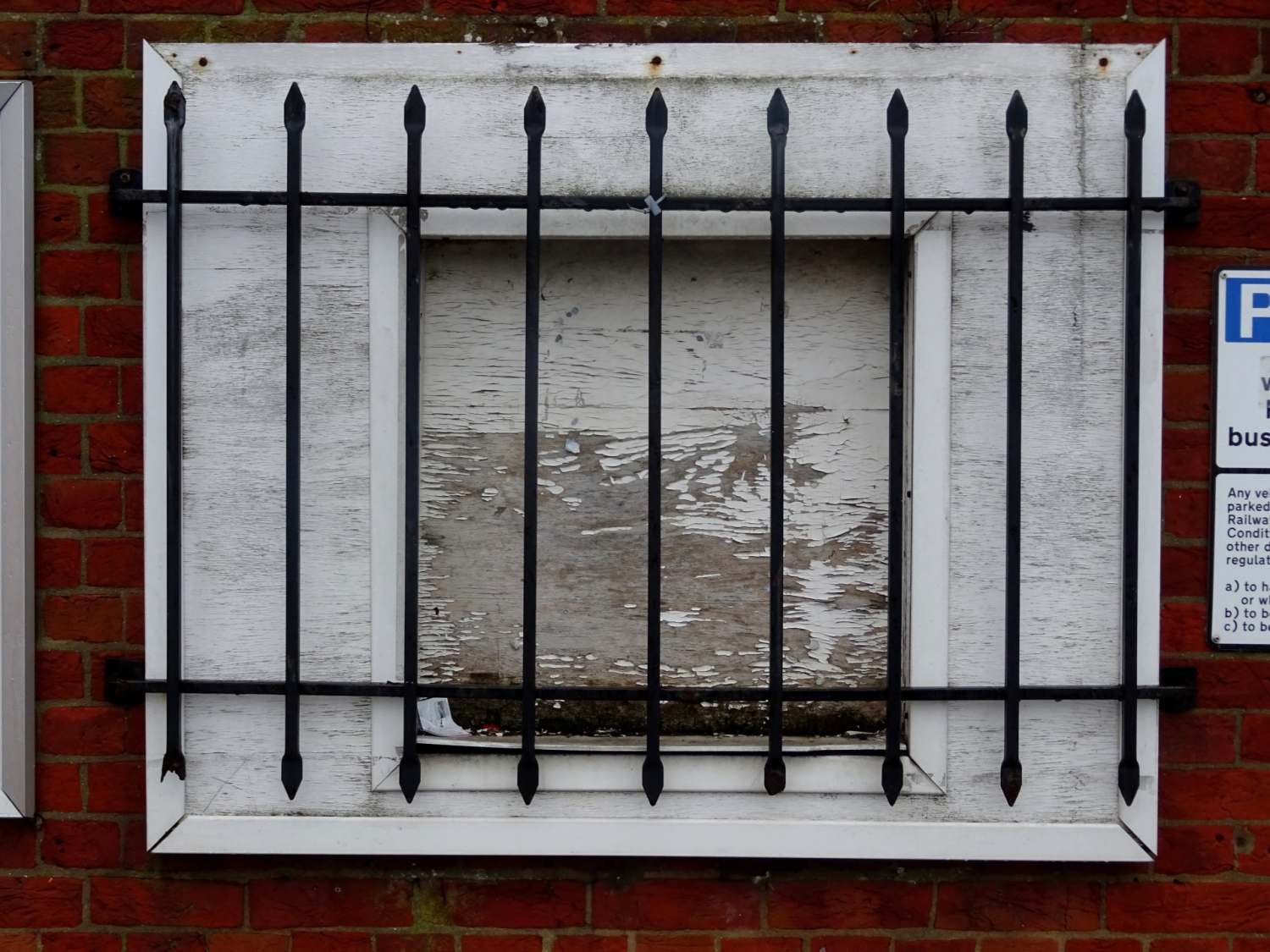
Window bars often get a bad rap for making homes look like prisons—but modern designs prove otherwise. They’re among the most effective physical barriers you can install, especially in high-crime areas or for basement windows.
Benefits of Window Bars:
-
Deterrent effect: No burglar wants to spend time sawing through bars.
-
Physical security: Even if the glass is broken, the window is still inaccessible.
-
Custom design: From decorative wrought iron to sleek, minimalistic aluminum, bars can blend with your home’s aesthetic.
Types of Window Bars:
-
Fixed Bars – Permanently installed; best for low-use or basement windows.
-
Removable Bars – Can be taken out from the inside in case of emergency.
-
Swing-Away Bars – Open like a door, secured with an internal lock.
Many homeowners worry about fire safety, and rightly so. That’s why it’s important to choose bars with quick-release mechanisms that meet local fire code requirements.
Pro Tip: If you live in a neighborhood where home invasions are rising, combining laminated glass, window film, and decorative bars gives you triple-layer protection that makes forced entry almost impossible.
Advanced Window Alarm Systems
How Window Sensors Work
Window sensors are the first line of electronic defense against break-ins. They detect movement, vibration, or the actual opening of the window.
There are three main types of window sensors:
-
Contact Sensors: Installed at the edge of the window. When the window is opened, the magnetic contact breaks, triggering the alarm.
-
Vibration Sensors: Detect any kind of shock or rattling—perfect for identifying break-in attempts before entry occurs.
-
Glass Break Sensors: Use sound frequency to detect shattering glass. These are ideal for rooms with multiple windows.
Why they’re important:
-
They’re cheap, easy to install, and highly effective.
-
Most systems integrate with existing alarms, so you don’t need a separate setup.
-
You can get instant mobile alerts, even when you’re away from home.
For full protection, consider installing all three sensor types—especially if your windows are in vulnerable areas like the rear or basement.
Integrating Window Alarms with Smart Home Systems
Window alarms become ten times more powerful when connected to your smart home ecosystem. Here’s how you can level up your security:
-
Link sensors to your Google Nest, Amazon Alexa, or Apple HomeKit.
-
Set up routines: For example, if a window opens after 10 PM, trigger lights to turn on, start a siren, and send an alert to your phone.
-
Use geo-fencing to automatically arm/disarm systems based on your phone’s location.
Some high-end systems even allow facial recognition or live video feeds when a window sensor is tripped—offering real-time evidence and response options.
Bonus Tip: Always add battery backups for your smart alarm systems. Power outages shouldn’t leave your home exposed.
Best DIY Window Alarm Options
You don’t need to spend thousands on a professional system. The market is full of budget-friendly DIY window alarms that offer excellent protection:
-
SimpliSafe: Great for renters, wireless, and portable.
-
Ring Alarm Window Sensors: Seamless integration with the Ring app and cameras.
-
Wyze Sense: Affordable and packs smart features like Alexa alerts.
-
YoLink: Long-range coverage and multiple sensor types.
Most DIY options come with easy adhesive installation, smartphone connectivity, and optional 24/7 monitoring. You can outfit your entire home’s windows in a weekend for less than $200.
Strategic Landscaping and Exterior Design for Window Security
Using Bushes and Thorny Plants as Deterrents
One of the most underrated forms of home defense? Landscaping.
Strategic planting of thorny bushes, hedges, or even cacti around windows can create a natural barrier that deters intruders. Think about it—would you crawl through a rose bush to break in?
Top Security Plants:
-
Holly bushes – Spiky leaves and dense growth
-
Barberry – Thorny and tough as nails
-
Bougainvillea – Beautiful but brutal thorns
-
Firethorn (Pyracantha) – Grows fast and aggressively
When planted directly under ground-floor windows, these plants create a prickly perimeter that makes unauthorized access physically painful.
Pro Tip: Combine thorny landscaping with motion-sensor lighting for a double punch of deterrence.
Placement of Lighting for Maximum Security
Dark corners are a burglar’s best friend. A well-lit exterior is not just for curb appeal—it’s a crucial layer of your window security strategy.
Lighting Tips:
-
Install motion-sensor floodlights aimed at all accessible windows.
-
Use dusk-to-dawn LED lights for consistent brightness.
-
Place lights under eaves, near window sills, and around landscaping.
Solar-powered lights with battery backups are great for low-maintenance protection. And with smart bulbs, you can set schedules, adjust brightness, or even make it look like you’re home while on vacation.
A well-lit window is a terrible target—intruders prefer darkness and anonymity.
Window Visibility and Privacy Measures
Privacy is a double-edged sword. Curtains and blinds can keep prying eyes out—but they can also signal that no one is home when drawn all day.
Here’s how to strike a balance:
-
Frosted Window Films: Maintain light flow while obscuring interior views.
-
Sheer Curtains: Let in daylight while distorting visibility.
-
Top-down, bottom-up blinds: Customize coverage while keeping views limited.
During nighttime, use timed lighting inside your home so windows don’t go completely dark. You want potential intruders to think someone is always home and awake.
Child Safety and Window Security Combined
Window Guards and Safety Nets
Kids are curious. And while you want to secure windows from intruders, you also need to protect little ones from falling out.
Window guards are metal grilles that install on the inside and allow windows to open partially without compromising safety. They:
-
Prevent children from falling
-
Allow ventilation
-
Are often required by code in high-rise apartments
Safety nets, while less common, are ideal for balconies or wide-open windows. They’re made from strong nylon or mesh and are tension-fitted across the opening.
Pro Tip: Look for guards certified by ASTM standards to ensure they’re child-safe and tamper-proof.
Educating Kids About Window Safety
All the gear in the world won’t help if your kids don’t understand the risks. Here are some simple but effective tips for educating your children:
-
Teach them never to lean on or sit by open windows.
-
Explain the difference between emergency exits and play areas.
-
Show them how to safely open and close windows, if they’re old enough.
Make window safety a part of your home routine, just like fire drills. And always keep furniture away from windows to reduce temptation.
Common Mistakes in Home Window Security
Neglecting Basement and Bathroom Windows
When thinking about securing windows, most people focus on the obvious—large front windows, sliding glass doors, or bedroom windows. But the most overlooked windows are often the riskiest: those in basements and bathrooms.
Basement windows are a favorite target for burglars for several reasons:
-
They’re often hidden from street view.
-
Many are poorly lit and infrequently checked.
-
Older homes tend to have weaker basement glass or original locks.
Bathroom windows, especially small or frosted ones, also tend to be left open for ventilation and often lack reinforced locks.
Fixes You Can Make:
-
Install window well covers on basement windows. These are durable, lockable, and keep out both intruders and debris.
-
Add motion-sensor lights around side and rear areas of the home.
-
Use keyed or smart locks, even on small bathroom windows.
-
Consider security film or privacy film on bathroom glass to prevent visibility and reinforce the pane.
Neglecting these windows is like leaving your backdoor wide open. Fix them now before someone takes advantage of the oversight.
Over-Relying on One Security Method
Security is never one-size-fits-all. A single method—like installing only locks, or just relying on an alarm system—creates weak spots that can be easily exploited.
For example:
-
Window locks are ineffective if the glass can be broken.
-
Security film doesn’t help if the window is accidentally left open.
-
Alarms are great, but don’t physically stop someone from entering.
The solution? Layered security.
Layering involves combining multiple security features, such as:
-
Physical barriers (locks, grilles, bars)
-
Glass reinforcement (tempered or laminated glass, film)
-
Detection systems (sensors, alarms, cameras)
-
Visual deterrents (lighting, landscaping, signs)
When you layer your defenses, you’re no longer an easy target. You’re sending a clear message: “This house is not worth the trouble.”
Cost vs. Benefit: Is Investing in Window Security Worth It?
Breakdown of Costs by Security Feature
Let’s talk dollars and sense.
People often hesitate to invest in window security, fearing it’s expensive. But the truth is, there are options for every budget, and the cost of not securing your windows—both financially and emotionally—is far greater.
Here’s a quick cost breakdown of common window security solutions:
| Security Feature | Estimated Cost per Window | Installation Cost | Lifespan |
|---|---|---|---|
| Basic Keyed Lock | $15–$30 | DIY | 5+ years |
| Smart Window Lock | $50–$150 | DIY or $50-$100 | 5–10 yrs |
| Security Window Film | $20–$40 | DIY or $100+ | 10 years |
| Laminated Glass Upgrade | $200–$400 | $150–$300 | 20+ yrs |
| Window Sensors & Alarms | $10–$30 | DIY | 5+ years |
| Window Bars/Grilles | $100–$300 | $150+ | Lifetime |
Even if you’re on a tight budget, prioritize the most vulnerable windows first—typically ground-level, rear-facing, or hidden windows.
Long-Term Benefits of Enhanced Security
When you secure your windows, you’re not just keeping intruders out. You’re adding value in multiple long-term ways:
-
Peace of mind: Knowing your family and valuables are protected.
-
Lower insurance premiums: Many insurers offer discounts for homes with reinforced security features.
-
Increased home value: Buyers are willing to pay more for homes that are secure and safe.
-
Energy savings: Upgraded glass often comes with better insulation, reducing heating and cooling costs.
Most importantly, you’ll avoid the emotional and financial devastation of a home break-in. That makes every dollar spent on security a smart investment.
DIY vs. Professional Window Security Installation
Pros and Cons of Each Approach
Security installations often start with a DIY mindset—and that’s great for many components. But should you do it all yourself?
Let’s weigh the options.
DIY Pros:
-
Cost-effective: No labor charges.
-
Control: Install exactly what you want, where you want.
-
Satisfying: There’s pride in protecting your home with your own hands.
DIY Cons:
-
Skill limits: Mistakes can compromise security.
-
Time-consuming: Especially for larger homes or multi-story buildings.
-
Warranty concerns: Some products require pro-installation for full warranty coverage.
Professional Pros:
-
Expertise: Trained installers understand vulnerabilities you might miss.
-
Compliance: Ensures installation meets local codes and insurance requirements.
-
Speed: What takes you a weekend, they can do in hours.
Professional Cons:
-
Higher upfront cost
-
Less customization unless specified
For simple tasks like adding locks or sensors, DIY is great. But for glass upgrades, electrical systems, or custom bars, consider hiring pros to ensure it’s done right.
When to Call a Security Expert
There are times when calling a professional isn’t optional—it’s necessary.
Call in the experts when:
-
You’re securing multiple floors or hard-to-reach windows.
-
You want a fully integrated smart system.
-
You’ve experienced a recent break-in and need urgent reinforcement.
-
You’re installing custom grilles or laminated glass.
-
Your neighborhood has unique legal or HOA security restrictions.
Remember: your home is your fortress. Don’t hesitate to build the strongest walls you can—especially around your windows.
Maintenance and Regular Checks for Window Security
Seasonal Inspections and Checklist
Window security isn’t a “set it and forget it” deal. Weather, wear and tear, and even daily use can degrade components over time. That’s why regular maintenance is crucial.
Seasonal Window Security Checklist:
Spring:
-
Check for rust or corrosion on metal bars and locks.
-
Inspect for moisture damage or leaks around window frames.
Summer:
-
Test motion sensors and window alarms.
-
Trim back overgrown bushes and landscaping near windows.
Fall:
-
Ensure window film or tinting hasn’t bubbled or peeled.
-
Inspect sealants and caulking before winter.
Winter:
-
Test smart locks and sensors for battery performance in cold weather.
-
Ensure all windows close and latch tightly to prevent drafts and security gaps.
Keep a dedicated notebook or phone list with dates and notes for each inspection. It makes it easier to track what’s been fixed—and what needs attention.
Signs Your Window Security Needs an Upgrade
Not sure if your current setup is still doing its job? Watch for these red flags:
-
Loose or rusted locks that jiggle or don’t fully engage.
-
Cracks in the glass, especially if it’s single-pane or outdated.
-
Peeling window film or signs of air bubbles.
-
Glitches in smart devices, like delayed alerts or false positives.
-
Gaps or rotting frames around older wooden windows.
If you notice any of these, don’t delay. Each issue is a potential entry point that reduces your home’s overall safety.
Smart Home Integration for Window Security
Connecting Windows to Your Smart Hub
We’re living in a smart world—and your home security should be no exception. By integrating your window security with a smart hub, you can create a seamless defense system that’s proactive, not reactive.
Popular Smart Hubs like Google Nest, Amazon Alexa, and Apple HomeKit can easily manage:
-
Window contact sensors
-
Motion detectors near windows
-
Smart locks on window latches
-
Glass break detectors
-
Security cameras monitoring window areas
Once connected, you can:
-
Receive real-time alerts if a window opens unexpectedly.
-
Trigger other smart devices—like lights or alarms—if a sensor is tripped.
-
Set automation rules: e.g., lock all windows and lower blinds at 9 PM.
-
Monitor your windows remotely, even while you’re on vacation.
Integration is typically as simple as downloading an app, pairing devices, and setting custom rules. With this level of connectivity, you turn your home into a self-monitoring fortress.
Remote Monitoring and Alerts
Imagine you’re at work, and someone tries to open your living room window. Without smart integration, you’d have no idea. But with remote monitoring, your phone buzzes instantly with an alert—and you can:
-
View live camera footage.
-
Call the police within seconds.
-
Activate a siren or flashing lights remotely.
-
Notify your neighbors or emergency contacts.
You’re no longer reacting after a break-in—you’re stopping it as it happens.
Bonus Tip: Add a smart doorbell camera to capture anyone casing your property. Most intruders check both doors and windows before deciding how to enter.
Legal and Aesthetic Considerations of Window Security
Local Building Codes and HOA Rules
Before installing anything—especially bars, grilles, or reinforced glass—make sure you’re legally allowed to. Different regions and housing authorities have strict rules about what you can and can’t add to windows.
Common legal limitations include:
-
Emergency egress requirements: Bedroom windows must allow easy escape in case of fire.
-
HOA appearance restrictions: Bars or visible grilles may be prohibited.
-
Permits for glass replacements: Especially in historic districts or multi-family units.
Always check with your local building authority or HOA before starting any major installation.
Balancing Security with Curb Appeal
You want your home to be secure—but you don’t want it to look like a bunker.
Here’s how to add window security without ruining your aesthetic:
-
Use decorative wrought iron bars with stylish patterns.
-
Choose color-matched smart sensors that blend into window frames.
-
Install frosted or tinted film that enhances appearance and privacy.
-
Use landscaping (hedges, bushes) instead of heavy grilles where possible.
Today’s security features are designed with style in mind. You no longer have to choose between beauty and protection—you can have both.
Case Studies: Real Homeowners Who Upgraded Their Window Security
Urban Apartment Security Overhaul
Meet Lisa, a graphic designer living in a first-floor apartment in downtown Chicago. After a break-in attempt left her shaken, she decided it was time for a change.
What she did:
-
Installed laminated glass on all windows.
-
Added smart locks synced with her Alexa system.
-
Mounted motion-activated lights above side and back windows.
-
Used window contact sensors that trigger alerts if opened.
The result? No further break-in attempts—and she sleeps easier knowing her windows are now fortified.
Suburban Family Home Window Reinforcement
John and Sarah, a couple with two young children, live in a quiet suburban neighborhood. After hearing about a string of break-ins nearby, they took action.
Their approach:
-
Replaced old, single-pane windows with double-pane laminated glass.
-
Installed removable interior window bars in the basement.
-
Added Ring window alarms and synced them with cameras.
-
Taught their kids about window safety and emergency exits.
Now, their home looks just as welcoming—but behind the scenes, it’s locked up tight.
Future Trends in Window Security
AI and Window Intrusion Detection
Artificial Intelligence is reshaping home security, and windows are the next frontier. AI-powered systems can now:
-
Detect unusual sounds like glass breaking.
-
Use thermal imaging to track potential intruders near windows.
-
Learn your household’s routine and flag anomalies.
-
Offer predictive alerts before a crime even occurs.
In the near future, AI systems will not only alert you when something happens—they’ll prevent it before it starts.
Transparent Bulletproof Glass for Residential Use
Sounds extreme? Maybe. But in high-risk areas or for luxury homes, residential-grade bulletproof windows are becoming more common.
Features include:
-
Multi-layered laminated glass
-
UV protection and energy efficiency
-
Invisible installation—looks like any regular window
Though costly, it’s the ultimate in window defense. And with prices gradually decreasing, it may become more mainstream in the coming years.
Conclusion
Home window security isn’t just a precaution—it’s a necessity. Windows are one of the most vulnerable access points in your home, and without proper protection, they become a welcome mat for intruders. But with the right combination of physical reinforcements, smart technology, strategic design, and routine checks, you can transform your windows from weak spots into fortified barriers.
Whether you’re a homeowner looking to protect your family, a renter securing your apartment, or someone just trying to sleep better at night, investing in window security is one of the smartest decisions you’ll ever make.
Secure windows mean a secure home—and peace of mind is priceless.
FAQs
1. What is the best lock for home windows?
Keyed locks and smart window locks offer the highest level of security. Choose based on your window type and whether you want remote control features.
2. How can I secure my windows without bars?
Use laminated glass, security window film, smart locks, and motion-sensor lights to secure your windows while maintaining aesthetics.
3. Are window alarms worth it?
Absolutely. They provide real-time alerts and act as a strong deterrent, especially when combined with smart home systems.
4. Can security film really prevent break-ins?
Yes. While it won’t make the glass unbreakable, it holds shattered pieces together, slowing down intruders and making entry much harder.
5. How often should I check my window security setup?
Perform a seasonal check every 3–4 months. Look for signs of wear, rust, battery issues, or any compromise in locks or sensors.
About All Action Alarm: Your Trusted Partner in Home Security Solutions
When it comes to protecting your home and loved ones, there’s no room for compromise. At All Action Alarm, we take home security to the next level by offering top-tier protection with cutting-edge technology and expert monitoring services that you can rely on. As a leader in the security industry, we’re committed to keeping homes and businesses safe, providing peace of mind 24/7.
Check out Home Automation Systems and Get Started with All Action Alarm Today!
Don’t wait for an emergency to take action. Protect your home and family with the best in the business. Call (631) 549-7225 to schedule your consultation, or visit allactionalarm.com to learn more about our services.
Your safety is our top priority.
SOURCES:
https://www.nachi.org/burglar-resistant.htm
SafeHome – Home Security Statistics
https://www.adt.com/resources/burglar-proof-windows
https://www.bobvila.com/articles/burglar-proof-windows
Riot Glass – Security Window Film vs. Security Glass
ClimatePro – Does Window Security Film Really Work?
https://pmc.ncbi.nlm.nih.gov/articles/PMC7089640
https://www.woodlandwindows.com/blog/door-security-with-impact-glass-and-locking-systems


 Ca.garcia.s, CC BY-SA 4.0
