Environmental Monitoring Sensors

Introduction to Environmental Monitoring

Definition and Importance

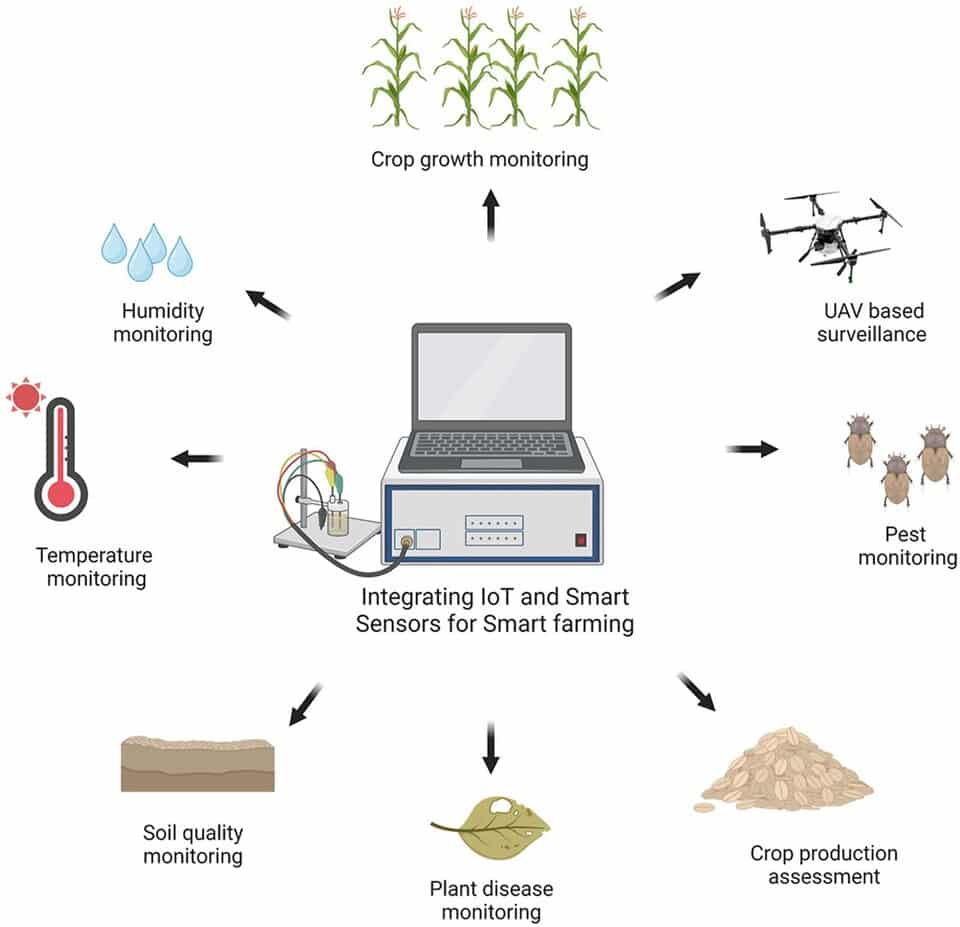
Environmental monitoring is the systematic collection and analysis of environmental data to observe changes, trends, and impacts over time. This practice allows scientists, policymakers, and concerned citizens to track the health of our planet, detect pollution sources, and enforce environmental regulations. It includes tracking air quality, water safety, soil conditions, and biodiversity to ensure a sustainable balance between nature and human activity.

Read more

Carbon Monoxide Monitoring

Introduction to Carbon Monoxide and Its Dangers

What is Carbon Monoxide?

Carbon monoxide (CO) is an invisible, odorless, and tasteless gas, often referred to as the “silent killer.” It’s produced whenever fuels like gas, oil, coal, or wood are burned. The lack of any sensory warning signals makes carbon monoxide particularly dangerous. You could be inhaling deadly amounts without even knowing it. Think about it—unlike smoke, you can’t see it filling the room. Unlike gas leaks, you can’t smell it creeping into your lungs.

Read more

Smart Locks

Introduction to Smart Locks

What Are Smart Locks?

Let’s face it, traditional locks are old school. You fumble for keys, sometimes lose them, and worse—handing one out means giving up full control. Smart locks turn that on its head. These are electromechanical locks designed to perform locking and unlocking operations when it receives commands from an authorized device. Think smartphones, tablets, or voice assistants like Alexa or Google Assistant.

Read more

Smart Locations

Introduction to Smart Locations and Geo-Fencing

What Are Smart Locations?

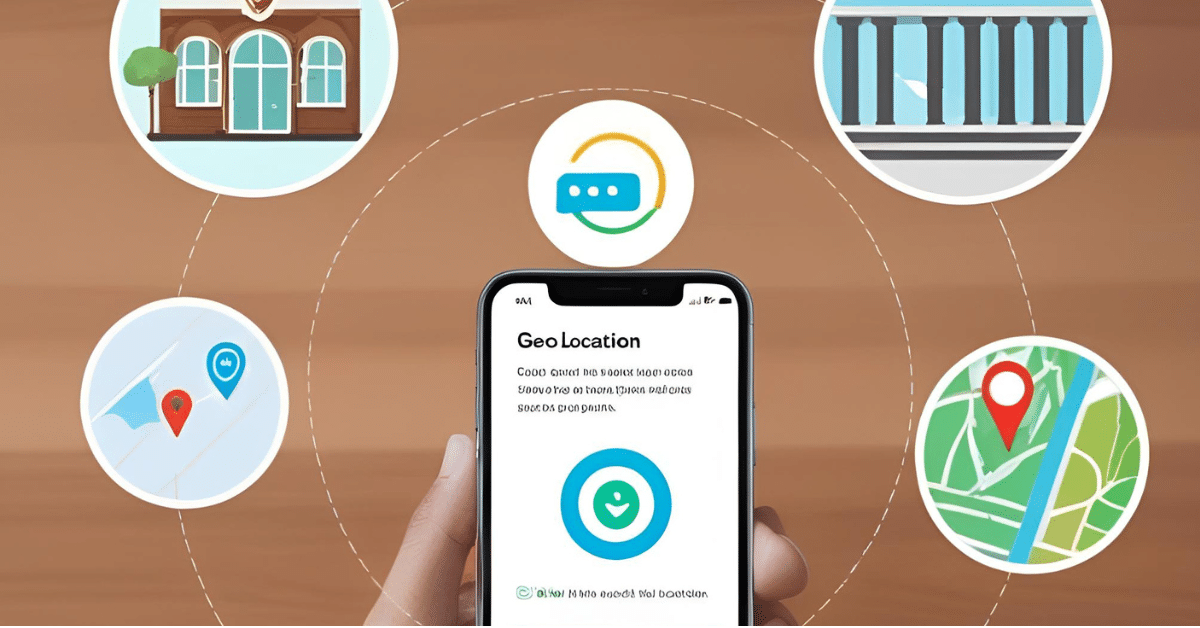
Smart locations refer to technologically enhanced geographical areas where devices and systems are interconnected to share data, automate tasks, and deliver personalized experiences. At the core of this concept is the ability to detect where people or objects are in real time using a mix of GPS, Wi-Fi signals, Bluetooth beacons, and other geolocation technologies. These environments are not just static maps—they’re dynamic ecosystems that adapt to user behavior, environmental conditions, and contextual factors.

Read more