
Here are rewritten articles and posts from other sites that are relevant to the business.

Introduction to Fire Sprinkler Systems

What is a Fire Sprinkler System?

A fire sprinkler system is a proactive fire protection method that automatically detects and suppresses fires using a water-based or specialized fluid system. Think of it as having a firefighter on standby in your ceiling, ready to jump into action the moment flames appear. The system is made up of a network of pipes fitted with sprinkler heads that are strategically installed in ceilings or sidewalls throughout a building. These heads are heat-sensitive and designed to activate only in the presence of high temperatures — typically around 155°F (68°C). Read more
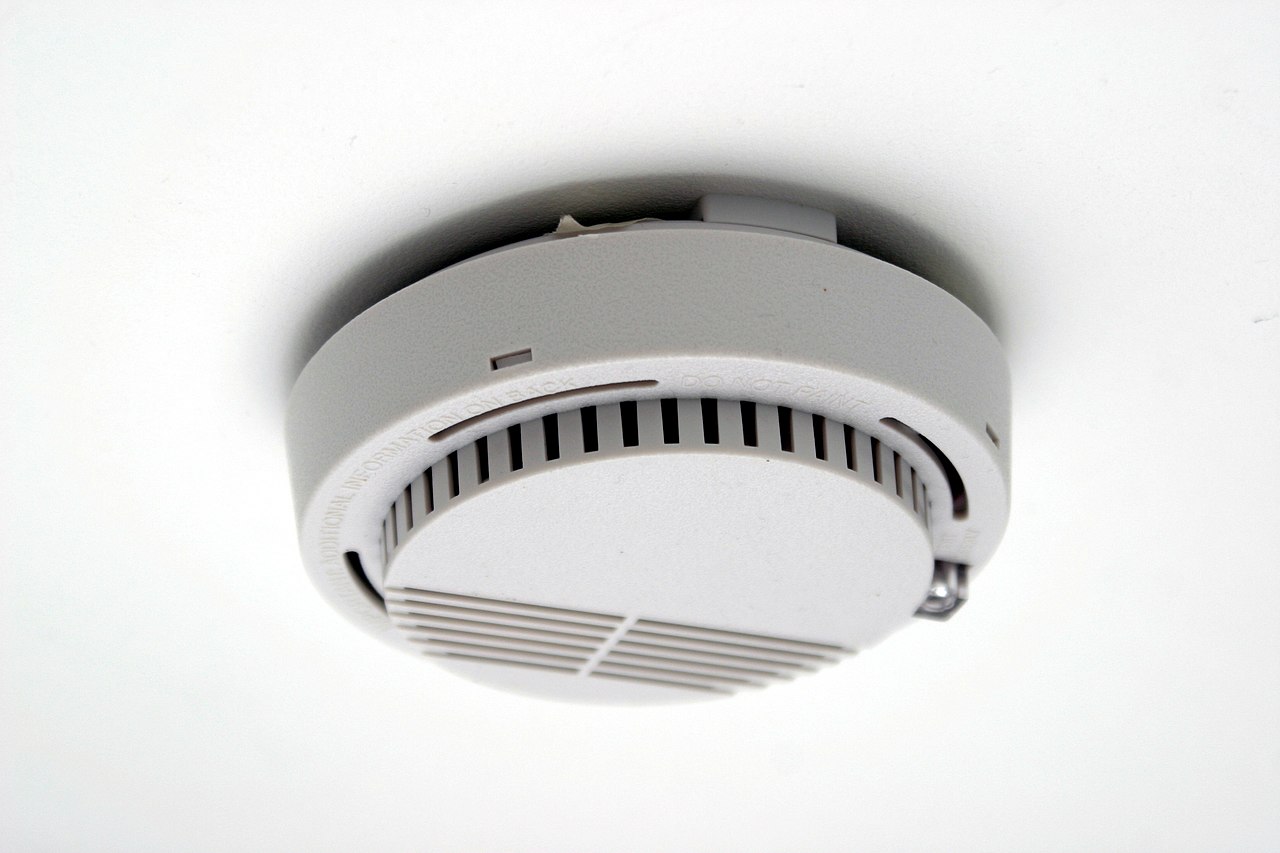
Introduction to Smoke Alarm Systems

What Is a Smoke Alarm System?

A smoke alarm system is more than just a gadget—it’s your first line of defense against one of the most dangerous threats to your home: fire. These systems are designed to detect smoke particles in the air and alert you with a loud alarm, giving you and your family the crucial time needed to escape safely. The simplicity of a smoke alarm’s purpose hides its profound significance. At the core, it’s a combination of sensors, circuits, and alert systems working in harmony to protect what matters most—life and property. Read more

Fire Alarm and Life Safety

Introduction to Fire and Life Safety Alarm Systems


Definition and Scope

The Fire and life safety alarm systems are specialized, integrated networks designed to detect, alert, and respond to emergencies such as fires, smoke, carbon monoxide, and hazardous events that threaten the safety of building occupants. These systems go far beyond a simple smoke detector; they are comprehensive safeguards engineered to protect both human life and valuable property across a range of environments—residential, commercial, and industrial. Read more

What is a Medical Alert System?

Definition and Core Purpose

A medical alert system is essentially your personal emergency safety net. Designed to provide immediate assistance during a medical emergency, fall, or any life-threatening situation, this technology connects the user to emergency responders or loved ones with just the press of a button. It’s primarily aimed at seniors, people with disabilities, or anyone with a chronic health condition who may face sudden medical issues.

Read more

Environmental Monitoring Sensors

Introduction to Environmental Monitoring

Definition and Importance

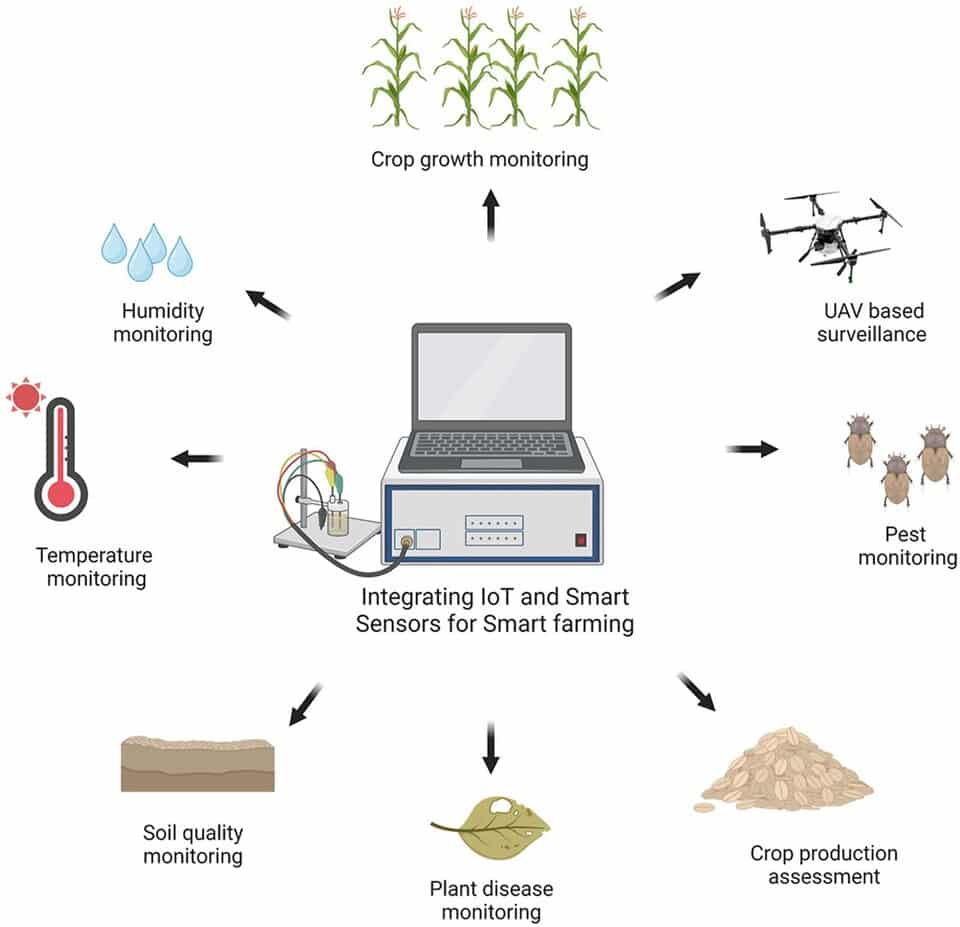
Environmental monitoring is the systematic collection and analysis of environmental data to observe changes, trends, and impacts over time. This practice allows scientists, policymakers, and concerned citizens to track the health of our planet, detect pollution sources, and enforce environmental regulations. It includes tracking air quality, water safety, soil conditions, and biodiversity to ensure a sustainable balance between nature and human activity.

Read more

Carbon Monoxide Monitoring

Introduction to Carbon Monoxide and Its Dangers

What is Carbon Monoxide?

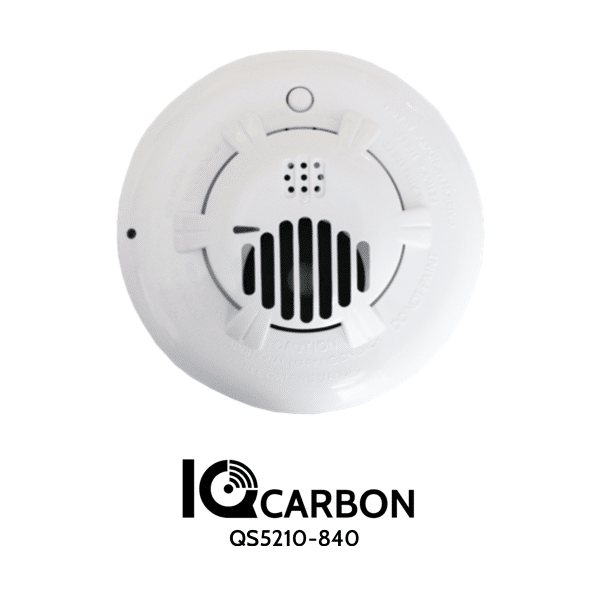
Carbon monoxide (CO) is an invisible, odorless, and tasteless gas, often referred to as the “silent killer.” It’s produced whenever fuels like gas, oil, coal, or wood are burned. The lack of any sensory warning signals makes carbon monoxide particularly dangerous. You could be inhaling deadly amounts without even knowing it. Think about it—unlike smoke, you can’t see it filling the room. Unlike gas leaks, you can’t smell it creeping into your lungs.

Read more

Smart Locks

Introduction to Smart Locks

What Are Smart Locks?

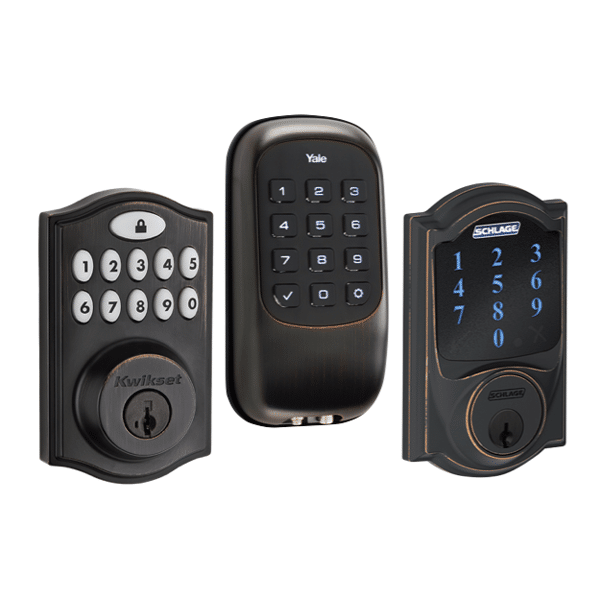
Let’s face it, traditional locks are old school. You fumble for keys, sometimes lose them, and worse—handing one out means giving up full control. Smart locks turn that on its head. These are electromechanical locks designed to perform locking and unlocking operations when it receives commands from an authorized device. Think smartphones, tablets, or voice assistants like Alexa or Google Assistant.

Read more

Smart Locations

Introduction to Smart Locations and Geo-Fencing

What Are Smart Locations?

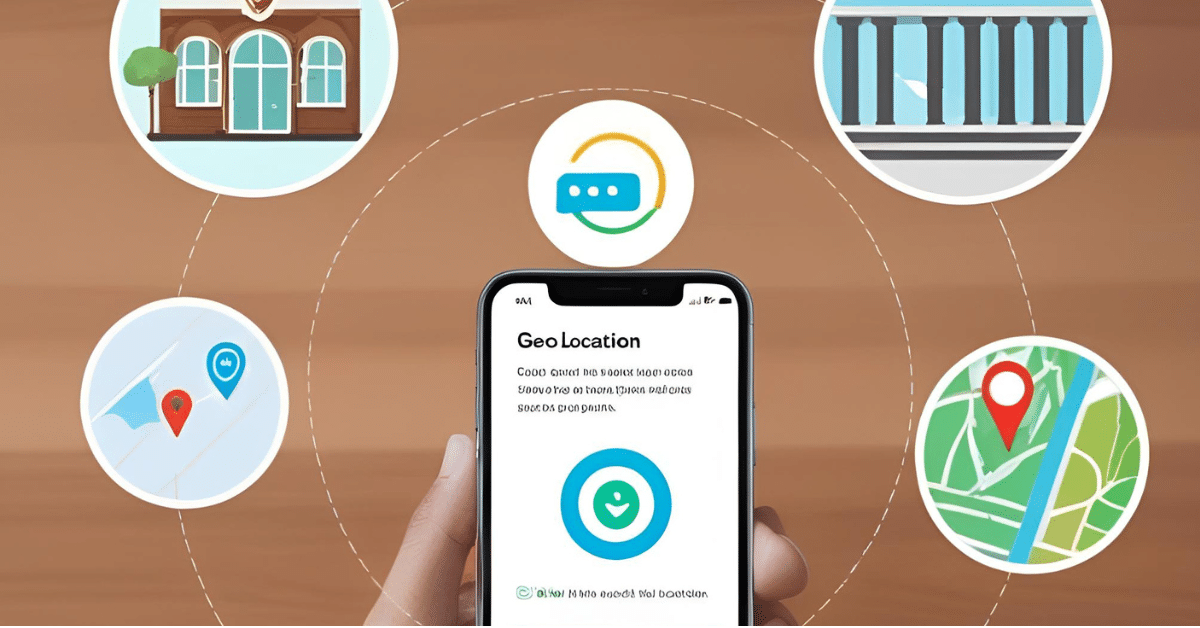
Smart locations refer to technologically enhanced geographical areas where devices and systems are interconnected to share data, automate tasks, and deliver personalized experiences. At the core of this concept is the ability to detect where people or objects are in real time using a mix of GPS, Wi-Fi signals, Bluetooth beacons, and other geolocation technologies. These environments are not just static maps—they’re dynamic ecosystems that adapt to user behavior, environmental conditions, and contextual factors.

Read more

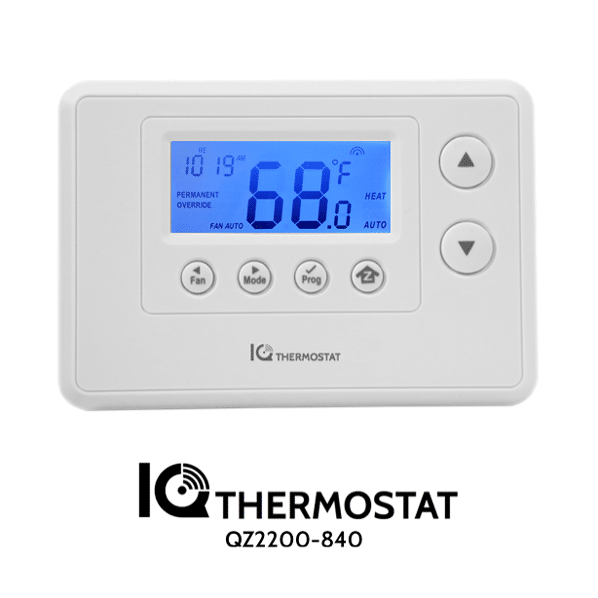
Introduction to Smart Thermostats

In today’s fast-paced world, homeowners are constantly looking for ways to enhance convenience and reduce energy costs. One revolutionary device making waves in home automation is the smart thermostat. Unlike traditional thermostats that require manual adjustments, smart thermostats bring automation, intelligence, and remote accessibility to temperature control.

Read more

Smart Lights

1. Introduction to Smart Lights

Smart lighting is an advanced lighting technology that allows users to control their lights remotely using smartphones, voice assistants, or automation systems. Unlike traditional lighting, smart lighting can be dimmed, scheduled, and even change colors to suit different moods. They are becoming increasingly popular due to their energy efficiency, convenience, and ability to integrate with other smart home devices. As homes and workplaces embrace automation, smart lighting is playing a crucial role in enhancing comfort and efficiency.

Read more