
Smart Locations and Intelligent Geo-Fencing
Smart Locations
Mark Camello
Latest posts by Mark Camello (see all)

Introduction to Smart Locations and Geo-Fencing

What Are Smart Locations?

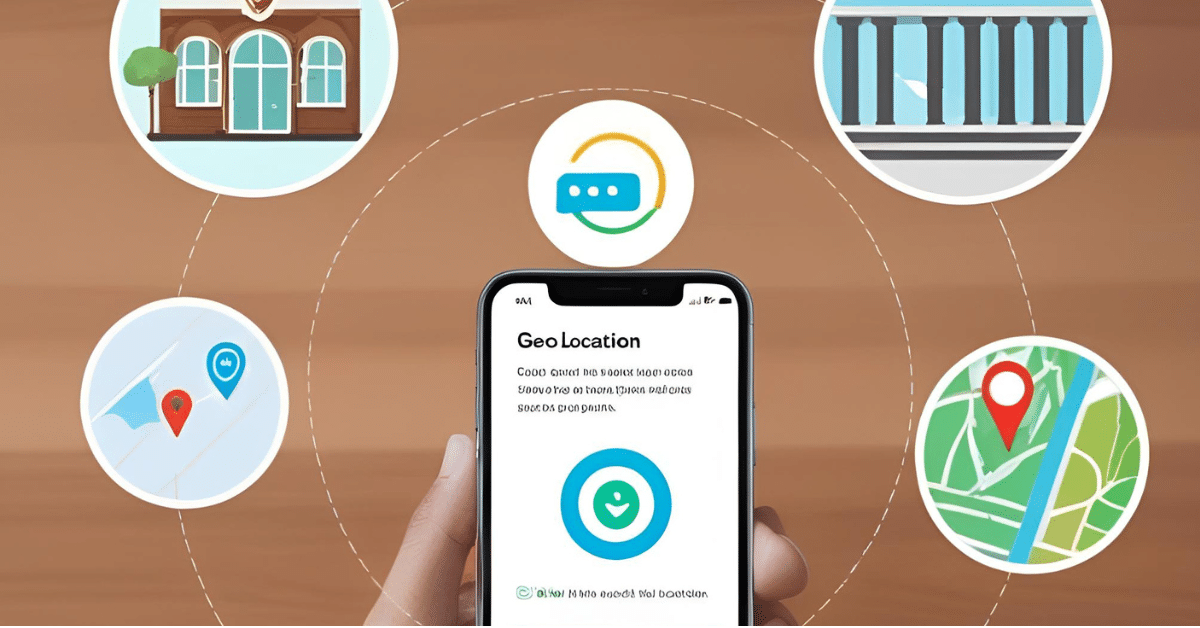
Smart locations refer to technologically enhanced geographical areas where devices and systems are interconnected to share data, automate tasks, and deliver personalized experiences. At the core of this concept is the ability to detect where people or objects are in real time using a mix of GPS, Wi-Fi signals, Bluetooth beacons, and other geolocation technologies. These environments are not just static maps—they’re dynamic ecosystems that adapt to user behavior, environmental conditions, and contextual factors.

Think of a smart location as a digital replica of a physical space. In a smart home, for example, the lights can adjust based on your presence. In smart cities, traffic signals can adapt to congestion in real time. These are not isolated actions but part of a broader network of data-driven intelligence. Whether it’s your smartphone suggesting nearby restaurants or your smartwatch tracking your jogging route, smart locations provide a seamless interface between the physical and digital worlds.

From urban planning to daily commute, smart locations are changing how we interact with our environments. Businesses are also riding this wave—using location intelligence to optimize delivery routes, monitor customer foot traffic, and enhance safety protocols. In short, smart locations are about being in the right place at the right time—with the right information.

Understanding Geo-Fencing Technology

Geo-fencing is a location-based service that uses GPS, RFID, Wi-Fi, or cellular data to define virtual boundaries around a specific geographical area. When a device enters or exits this predefined area, a trigger is initiated—such as sending a notification, starting an action, or logging an event. Geo-fencing can be static (a fixed area like a store) or dynamic (moving with a delivery truck).

At its simplest, geo-fencing draws a digital perimeter around a location. But today’s geo-fencing isn’t just about drawing a circle on a map—it’s about using advanced algorithms to determine context. Did someone stay in the zone for 30 minutes? Were they speeding while inside it? Was it during business hours?

Businesses use geo-fencing to send time-sensitive offers to nearby customers, track employee locations during work hours, or secure sensitive areas in industrial zones. Parents use it to monitor their kids’ whereabouts. And developers integrate it into mobile apps to personalize user experiences.

In a world increasingly dominated by data and connectivity, geo-fencing bridges the gap between digital intent and physical movement. It enables smarter decisions, quicker responses, and safer environments—without users even realizing the tech working quietly behind the scenes.

How Smart Locations Work

Role of GPS, Wi-Fi, and Cellular Networks

The backbone of smart locations lies in the seamless integration of geolocation technologies. GPS (Global Positioning System) plays the leading role, offering precise latitude and longitude data. It’s incredibly useful for outdoor navigation—like directing ride-sharing drivers or mapping your morning run.

But GPS isn’t always enough. Indoors or in dense urban environments, its accuracy can falter. That’s where Wi-Fi and cellular networks step in. Wi-Fi location tracking uses known network IDs and signal strength to estimate position. It works particularly well in malls, airports, or smart buildings. Meanwhile, cellular triangulation calculates your location based on your distance from nearby cell towers—providing broader but less precise coverage.

These technologies don’t operate in isolation. Smart systems combine them to get the most accurate read. For instance, your phone might use GPS for general location, Wi-Fi for pinpoint accuracy inside a store, and cellular to stay connected when GPS drops. This fusion ensures reliable geolocation data that powers everything from targeted ads to emergency services.

Add to that the increasing presence of Bluetooth Low Energy (BLE) beacons and Near Field Communication (NFC) tags, and the location-tracking game gets even more precise. Beacons can trigger actions when you’re just a few feet from a product. NFC lets you tap into location-specific info instantly.

In essence, smart locations are a symphony of technologies working in harmony to understand where you are, what you’re doing, and how best to serve your needs—without any friction.

Integration with Mobile Apps and IoT Devices

Smart locations come to life when integrated into the digital tools we use daily—mobile apps and IoT (Internet of Things) devices. Your smartphone, for example, becomes the interface between you and your environment. With the right permissions, it can detect when you’re near your favorite coffee shop and offer you a discount or tell your smart thermostat you’re on your way home.

Apps like Google Maps, Uber, or even fitness trackers rely heavily on geolocation data to function. But when these apps are layered with geo-fencing, their utility skyrockets. Imagine walking into a retail store and getting a push notification for an in-store only deal. Or your smart door lock disengaging automatically when your phone detects you’re home.

IoT devices amplify this further. Smart sensors in your home can detect motion, temperature, light levels, and more—all of which can be linked to location triggers. When combined with intelligent geo-fencing, these devices make decisions on your behalf. For example, if your wearable fitness tracker sees you’re nearing your gym, it can cue your workout playlist and log your session.

For businesses, this integration is gold. It allows for precise marketing, automation of operations, and improved user engagement. For individuals, it’s about convenience and personalization—experiences tailored exactly to where you are and what you need.

Smart locations + mobile apps + IoT = a location-aware digital ecosystem that adapts to you in real-time.


The Concept of Intelligent Geo-Fencing

Traditional vs. Intelligent Geo-Fencing

Geo-fencing has come a long way from simply creating a virtual boundary. Traditional geo-fencing systems were binary in nature—they would send a notification when someone entered or exited a predefined zone. While useful, this one-size-fits-all approach lacked context and adaptability.

Enter intelligent geo-fencing.

Intelligent geo-fencing takes traditional models and supercharges them with real-time data, machine learning, and contextual awareness. Instead of just reacting to location, it evaluates the “why” and “when” behind user behavior. For example, instead of simply notifying a store when a customer walks in, intelligent geo-fencing evaluates the customer’s shopping history, time of day, and even weather conditions to tailor a more personalized experience.

In a traditional setup, if an employee walks into a worksite, the system might log their time. In an intelligent system, it could also monitor how long they stay, their movement patterns, and whether they enter restricted zones, all in real time.

Another major leap is predictive behavior. Intelligent systems can anticipate movement and prepare environments accordingly. If your car knows you’re headed home, intelligent geo-fencing might adjust your home’s thermostat or switch on the porch lights before you arrive.

In essence, intelligent geo-fencing is not just aware of “where”—it’s aware of “why,” “how,” and “what next.” This shift makes the technology proactive instead of reactive, opening up vast opportunities for personalization, automation, and security.

Real-Time Data and Contextual Awareness

What makes geo-fencing intelligent is its ability to analyze data in real-time and apply contextual rules. It’s like giving your system eyes, ears, and a brain.

Real-time data streaming allows systems to process and respond within milliseconds. Imagine a logistics company tracking its fleet across thousands of miles. With intelligent geo-fencing, dispatch centers get alerts not just based on entry or exit points but also on vehicle speed, engine diagnostics, and even road conditions. They can reroute drivers instantly, avoiding traffic jams or unsafe weather.

Contextual awareness goes a step further. It evaluates the “what else” around the location data. For a customer in a shopping mall, it considers not only their proximity to a store but also past purchase behavior, current promotions, and store occupancy levels. The result? A targeted offer that feels less like spam and more like a helpful suggestion.

This data-driven intelligence also helps reduce false positives. A smart security system, for instance, won’t alert you if your dog crosses a geo-fence—but it will notify you if someone enters your backyard during restricted hours.

Contextual geo-fencing can also factor in variables like time of day, user intent, speed of movement, and even biometric data. This enables systems to respond more naturally and intuitively to real-world situations.

In short, real-time data and context turn geo-fencing from a blunt tool into a smart assistant.

Applications of Smart Locations and Geo-Fencing

Marketing and Advertising

Location-based marketing is one of the most compelling use cases for geo-fencing. Businesses can create personalized, timely marketing campaigns triggered when users enter or leave specific areas. This approach significantly increases engagement, conversion rates, and brand loyalty.

For example, a fast-food chain can set up a geo-fence around competitor locations. When a user with the brand’s app enters that zone, they receive a coupon for a free burger to lure them away. That’s competitive marketing at its smartest.

Retailers can also use geo-fencing to improve in-store experiences. When a loyal customer walks into a store, the app can greet them with a personalized welcome message, show their loyalty points, or suggest products based on past purchases.

Even large-scale events like concerts or sports games can benefit. Attendees can receive real-time updates, seat directions, or discounts at concession stands, all based on their location within the venue.

Geo-fencing ensures that ads reach the right person, at the right time, in the right place—minimizing wasted impressions and maximizing ROI.

Fleet and Asset Management

For industries like transportation, logistics, and construction, intelligent geo-fencing plays a vital role in fleet and asset management.

Companies can set up geo-fences around warehouses, delivery zones, and high-risk areas. When vehicles enter or exit these zones, the system logs time stamps, routes, and status updates. This helps in improving delivery accuracy, reducing idle time, and ensuring driver accountability.

Beyond vehicles, geo-fencing can monitor expensive assets like machinery or trailers. If an item leaves a designated area unexpectedly, the system can send an alert, preventing theft or loss.

The ability to automate check-ins and check-outs also saves time and eliminates paperwork. And when integrated with real-time weather and traffic data, fleet managers can make quick decisions to reroute vehicles for maximum efficiency.

In short, geo-fencing transforms passive tracking into proactive management.

Home Automation and Security

Smart homes thrive on location awareness. Geo-fencing adds a new layer of automation and security that makes daily life smoother and safer.

When your phone leaves a pre-set boundary—say, 500 meters from your home—it can automatically turn off lights, lock doors, and activate your security system. When you return, the reverse happens. No more forgetting to lock up or wasting electricity.

For families, geo-fencing can notify parents when kids arrive at or leave school. Elderly care systems use it to alert caregivers if someone with dementia wanders beyond a safe zone.

Security is also enhanced. If someone tries to access your home outside of normal hours and you’re not within the “safe” geo-fence zone, the system can trigger alarms, send live video, or even contact authorities.

Geo-fencing in home automation creates a personalized environment where your house responds to your presence like a digital butler—anticipating your needs before you even ask.

Retail and Customer Engagement

Retailers have a goldmine of opportunities with smart locations. Geo-fencing lets them transform physical stores into interactive, data-driven experiences.

Picture this: a customer walks past your storefront and immediately receives a 20% discount notification. Once inside, the app highlights ongoing sales, guides them to relevant products, and even allows self-checkout—all triggered by their movements.

Retailers can also use location data to study customer behavior—what paths they take, how long they linger, what products they engage with. This insight helps with store layout optimization, inventory management, and staffing decisions.

Beyond engagement, geo-fencing also helps in loyalty programs. Shoppers can earn points automatically when they enter or exit a store, or receive special perks based on visit frequency.

It’s a win-win—customers enjoy a seamless, personalized shopping experience, while businesses boost conversion rates and customer satisfaction.


Benefits of Intelligent Geo-Fencing

Enhanced Customer Targeting

One of the most powerful benefits of intelligent geo-fencing is its ability to deliver hyper-targeted, personalized marketing to customers. With traditional marketing, you’re often shooting in the dark—sending emails, posting ads, and hoping they reach the right people. But with intelligent geo-fencing, you’re able to market to individuals based on where they are and what they’re likely to need in that moment.

Let’s say someone is walking through a mall. With geo-fencing, a clothing store can ping their phone with a time-limited deal—like 30% off all jackets if they enter in the next 20 minutes. That level of precision not only increases foot traffic but also boosts conversion rates because the offer feels timely and relevant.

It gets even better with contextual targeting. A customer walking into a gym could receive an ad for a protein shake from a nearby health food store. A frequent traveler entering an airport might get deals on travel insurance or lounge access. When businesses understand not just where customers are but what they might be doing, they can deliver offers that truly hit the mark.

In short, intelligent geo-fencing empowers marketers to move from generic promotions to smart, strategic engagement that feels more like helpful nudges than intrusive ads.

Improved Operational Efficiency

Operational efficiency is critical for businesses looking to stay competitive. Intelligent geo-fencing can transform how teams work, streamlining processes, reducing manual errors, and optimizing resource allocation.

For example, in logistics and delivery services, geo-fencing helps track vehicle movement, monitor route efficiency, and ensure timely deliveries. Dispatchers can set up virtual zones for delivery points, automatically logging arrival and departure times. This reduces the need for manual check-ins and allows for accurate performance tracking.

Construction companies can use geo-fencing to monitor when equipment or personnel enter or exit work zones. This helps with time tracking, equipment utilization, and safety enforcement. If a worker enters a hazardous zone without proper clearance, alerts can be triggered immediately.

Even in the office environment, geo-fencing plays a role. It can control access to sensitive areas, adjust lighting and HVAC based on occupancy, or automate attendance systems.

The end result? Less waste, more accountability, and a smoother workflow—all powered by real-time location awareness.

Personalized User Experiences

Today’s consumers expect personalized experiences. They want brands and services that “know” them—not in a creepy way, but in a way that makes their lives easier and more enjoyable. Intelligent geo-fencing is a secret weapon in creating those experiences.

Imagine pulling into your driveway and your smart home turns on the porch light, disarms the alarm, and sets your favorite playlist going in the living room—all because your phone crossed an invisible perimeter.

Or consider a hotel that welcomes you via push notification the moment you enter the lobby, provides a mobile room key, and adjusts your room’s temperature based on your past preferences. That’s not just convenient—it’s magical.

Personalization also extends to in-app experiences. A retail app might highlight products based on your in-store location, or a restaurant app could bring up a “frequent order” tab when you’re nearby. It feels like the app is truly “aware” of your habits, preferences, and location.

This kind of personalization builds brand loyalty. When users feel like the experience was crafted just for them, they’re more likely to come back. Intelligent geo-fencing helps businesses not only meet expectations—but exceed them.

Challenges in Implementing Geo-Fencing

Privacy and Data Security Concerns

With great power comes great responsibility—and geo-fencing, for all its advantages, raises significant concerns around privacy and data security.

Consumers are becoming increasingly aware (and wary) of how their location data is being used. No one wants to feel like they’re being tracked without consent. And if sensitive data is mishandled or leaked, the consequences can be severe—both for users and businesses.

To build trust, transparency is key. Companies need to clearly explain why they’re collecting location data, how it will be used, and give users the ability to opt-in or opt-out. Privacy policies must be easy to understand—not buried in legal jargon.

Additionally, businesses must invest in securing this data. That means using encryption, anonymizing location logs, and ensuring that access to data is strictly controlled. Regular audits and compliance with regulations like GDPR and CCPA are essential.

In short, you can’t afford to play fast and loose with user data. Businesses must treat privacy as a feature—not an afterthought.

Battery Drain and Device Limitations

One practical issue with geo-fencing is its impact on device performance, particularly battery life. Location tracking, especially with GPS, can be a major power hog. Apps that constantly monitor a user’s location can drain a smartphone’s battery in just a few hours.

This creates a dilemma: how do you balance accuracy with efficiency?

The best geo-fencing solutions use a combination of technologies—GPS for high accuracy, Wi-Fi for indoor locations, and cell towers for low-power tracking. Smart algorithms can reduce polling frequency when movement isn’t detected, or switch to less power-hungry methods when possible.

Developers also need to optimize app design. Instead of constantly tracking, the app can activate geo-fencing only when it’s in use, or allow users to set their own preferences for when and how tracking occurs.

Ultimately, the user experience must come first. If geo-fencing drains the battery or slows down the phone, users will disable it—defeating the purpose entirely.

Accuracy and False Positives

Despite advances in location tech, geo-fencing isn’t perfect. One of the most frustrating issues for both users and businesses is inaccuracy—where triggers fire too early, too late, or not at all.

For instance, if a user walks past a store but never enters, a poorly drawn geo-fence might still count that as a visit. Or in denser areas with overlapping signals, the system might fail to distinguish between adjacent stores or buildings.

False positives like these can skew data analytics, waste marketing budgets, and irritate users. To improve accuracy, it’s important to use tight, well-calibrated zones, combined with contextual data (like dwell time or speed).

Some businesses also layer their geo-fencing with other sensors, like Bluetooth beacons or NFC tags, which offer finer control and higher accuracy indoors.

In the end, the goal is precision—not just proximity. By reducing noise and focusing on meaningful location events, geo-fencing becomes a powerful tool instead of a guessing game.

Industry Use Cases

Healthcare

In the healthcare industry, geo-fencing is transforming how patients and providers interact. Hospitals and clinics can set up geo-fences to streamline patient check-ins, automate parking access, or alert staff when high-risk patients leave safe zones.

Geo-fencing is also useful in senior care. Many assisted living facilities use it to monitor residents with dementia or Alzheimer’s. If a resident exits the facility or enters a restricted area, caregivers receive an immediate alert—potentially preventing dangerous wandering.

For outpatient services, geo-fencing can help track patient adherence. For example, a rehab center could monitor whether patients attend therapy sessions, automatically logging their arrivals and departures.

Even pharmaceutical companies are exploring geo-fencing for compliance tracking, helping ensure patients pick up medications on time or attend follow-up appointments.

By adding a location-based layer to care, healthcare providers can improve safety, efficiency, and patient outcomes.

Transportation and Logistics

In transportation, intelligent geo-fencing is the backbone of modern fleet management. Companies like FedEx, UPS, and Amazon use it to track every vehicle, package, and driver in real time.

Geo-fences help automate dispatch operations. When a truck enters a loading zone, the system logs it. If it deviates from the route, alerts are sent. If there’s a delay, customers get notified automatically.

Public transit systems also benefit. Buses and trains can use geo-fencing to update arrival times, inform riders of delays, or trigger maintenance routines.

Even ride-sharing apps like Uber and Lyft rely on geo-fencing to manage pickup zones, avoid illegal stops, and enhance rider safety.

From reducing theft to optimizing delivery windows, geo-fencing brings order to the chaos of transportation.


Real Estate and Smart Cities

Real Estate

In the real estate world, geo-fencing is emerging as a quiet game-changer. Picture a prospective buyer walking near a house for sale. Without the need for an agent, they receive a notification on their phone offering a virtual tour or details about the property. That’s the power of intelligent geo-fencing—it turns interest into action in real time.

Real estate agents can also use geo-fencing to target marketing campaigns to specific neighborhoods. If someone frequently visits upscale areas or attends multiple open houses, agents can send personalized listings directly to their phones.

Property management companies benefit, too. They can automate access control, alert staff when maintenance vehicles arrive, and even monitor foot traffic around apartment complexes for security insights.

In commercial real estate, developers use geo-fencing to analyze location viability by tracking consumer activity patterns in potential investment areas.

It’s all about data-driven decisions—and geo-fencing provides the data.

Smart Cities

Smart cities are built on the foundation of intelligent data and automated systems—and geo-fencing is a critical component in that puzzle. City planners and governments use it to improve traffic flow, enhance public safety, and provide real-time services to citizens.

For instance, geo-fencing can manage traffic congestion by adjusting signals based on vehicle density in certain zones. Emergency vehicles can trigger green lights when they enter critical areas, reducing response times.

Public transportation systems can notify riders when they’re near a bus or train stop. Waste management services can optimize pickup schedules based on bin fill levels and vehicle location.

Geo-fencing can even alert authorities to suspicious activities—such as unauthorized gatherings in sensitive zones or people entering dangerous construction areas.

In essence, smart cities use geo-fencing to make life smoother, safer, and more efficient for everyone.

Tools and Platforms for Geo-Fencing

Top Geo-Fencing Solutions in the Market

There’s a growing list of platforms offering geo-fencing capabilities, and each comes with its own strengths. Let’s break down some of the top contenders:

  • Google Maps Platform: Offers robust APIs for geo-fencing, location tracking, and maps integration. Ideal for developers.

  • Radar.io: A flexible tool for location tracking and context-based geo-fencing with real-time APIs and SDKs.

  • Geofency: Great for personal use or small teams, especially for task automation and time tracking.

  • Xamarin + Microsoft Azure Maps: Offers cloud-based geo-fencing and enterprise-level solutions.

  • Bluesense Networks: Known for hyper-local proximity marketing and indoor geo-fencing with beacon integration.

Choosing the right platform depends on your needs—whether you’re building a custom app, need analytics, or want plug-and-play functionality.

How to Choose the Right Platform

When evaluating geo-fencing tools, consider these key factors:

  1. Accuracy: Look for solutions that offer hybrid tracking (GPS + Wi-Fi + cellular) for better precision.

  2. Scalability: Can it handle thousands of users or devices at once?

  3. Ease of Integration: Does it offer SDKs or APIs compatible with your tech stack?

  4. Analytics and Reporting: Can you access real-time data, historical logs, and usage trends?

  5. Privacy Compliance: Ensure the tool complies with data protection laws like GDPR and CCPA.

  6. Battery Optimization: Look for platforms with low-energy tracking to preserve mobile device battery life.

Matching your platform with your business goals ensures a smoother implementation and better ROI.

Best Practices for Implementing Intelligent Geo-Fencing

Setting Boundaries and Triggers

Effective geo-fencing starts with setting smart, strategic boundaries. It’s not just about drawing a circle on a map—it’s about understanding user behavior and environment.

  • Use Relevant Locations: Only geo-fence places that are crucial to your business or user interaction.

  • Fine-Tune the Radius: Too small and you’ll miss entries. Too big and you risk false triggers.

  • Use Polygons When Needed: For irregular-shaped areas (like parks or campuses), polygon fencing offers more precise control.

  • Layer Contextual Triggers: Don’t just rely on entry/exit. Add time-of-day, speed, or dwell-time conditions.

Additionally, always test before going live. Simulate user movement, monitor trigger accuracy, and iterate as needed.

Compliance with Legal Regulations

Legal compliance isn’t optional—it’s essential. When you’re collecting location data, you’re touching on one of the most sensitive aspects of user privacy.

  • Get Explicit Consent: Users should knowingly opt in to location tracking.

  • Offer Transparency: Let users know why you’re collecting data and how it will be used.

  • Allow Easy Opt-Out: Users should be able to pause or disable tracking anytime.

  • Anonymize Data: Remove identifiable information when storing or analyzing data.

  • Stay Updated: Laws change. Regularly audit your practices for compliance with GDPR, CCPA, and other regional regulations.

Being upfront and secure builds trust—and protects your business from hefty fines.

Future Trends in Smart Locations and Geo-Fencing

AI and Machine Learning Integration

The next frontier in geo-fencing lies in AI and machine learning. These technologies make location systems smarter, faster, and more adaptive.

AI can predict user behavior—like whether someone is just passing by or likely to enter a store—and adjust geo-fence triggers accordingly. Machine learning can identify patterns in location data and automate decision-making, reducing the need for manual rule-setting.

Imagine a system that notices a user always visits your café on Fridays. It could proactively send a coupon Thursday night. That’s proactive intelligence—powered by data, not guesswork.

AI also enhances fraud detection, route optimization, and anomaly tracking. It can differentiate between a device being in a location versus actually being used—adding another layer of depth to location analytics.

5G and Edge Computing Impact

The rollout of 5G and edge computing is about to supercharge smart locations. With faster data speeds and lower latency, real-time geo-fencing becomes much more responsive and reliable.

Edge computing—processing data closer to the user instead of in the cloud—means geo-fencing actions can be executed with split-second accuracy. This is crucial for applications like autonomous vehicles, smart traffic lights, and emergency response systems.

5G also allows more devices to be connected simultaneously. As more sensors and IoT devices come online, the geo-fencing ecosystem becomes richer, more granular, and infinitely more capable.

We’re not just talking about better maps—we’re talking about environments that think, act, and react in real-time.

Conclusion

Smart locations and intelligent geo-fencing are not just technological trends—they’re a fundamental shift in how we interact with the world around us. From marketing and logistics to security and healthcare, this location-driven intelligence is unlocking efficiencies, personalizing experiences, and transforming industries.

As AI, 5G, and edge computing continue to evolve, the potential of geo-fencing will expand exponentially. But with great power comes the responsibility to ensure privacy, security, and ethical usage. Businesses that embrace this technology thoughtfully will not only thrive—they’ll set the standard for the future.

Whether you’re a developer, marketer, or business owner, understanding and leveraging smart location technology today will prepare you for the smarter world of tomorrow.


FAQs

1. What is the difference between GPS and geo-fencing?

GPS is a satellite-based system that provides your exact location, while geo-fencing uses that location data to create virtual boundaries. Geo-fencing triggers actions when you enter or exit these zones.

2. Can geo-fencing work without an internet connection?

Yes, but with limitations. Some geo-fencing systems can store zones locally and use GPS to detect boundaries. However, real-time updates and cloud-based actions usually require an internet connection.

3. How secure is location-based data?

It depends on how it’s stored and processed. Reputable platforms use encryption, anonymization, and strict access controls. Businesses must also comply with privacy regulations like GDPR and CCPA.

4. Is geo-fencing suitable for small businesses?

Absolutely. Small businesses can use geo-fencing for targeted marketing, loyalty rewards, or customer engagement—without needing a massive budget. Many platforms offer affordable, scalable solutions.

5. What devices are compatible with geo-fencing?

Most smartphones (iOS and Android), wearables, tablets, and IoT devices support geo-fencing. The key requirement is GPS or a similar location service enabled on the device.

SOURCES:

  1. TechTarget.com
  2. BytePlus.com
  3. Arxiv.org
  4. Wikipedia.org

About All Action Alarm: Your Trusted Partner in Home Security Solutions

When it comes to protecting your home and loved ones, there’s no room for compromise. At All Action Alarm, we take home security to the next level by offering top-tier protection with cutting-edge technology and expert monitoring services that you can rely on. As a leader in the security industry, we’re committed to keeping homes and businesses safe, providing peace of mind 24/7.

Don’t wait for an emergency to take action. Protect your home and family with the best in the business.  Call(631) 549-7225  to schedule your consultation, or visit allactionalarm.com to learn more about our services.

Your safety is our top priority.