
Smoke Alarm Systems – The Ultimate Guide to Fire Safety at Home
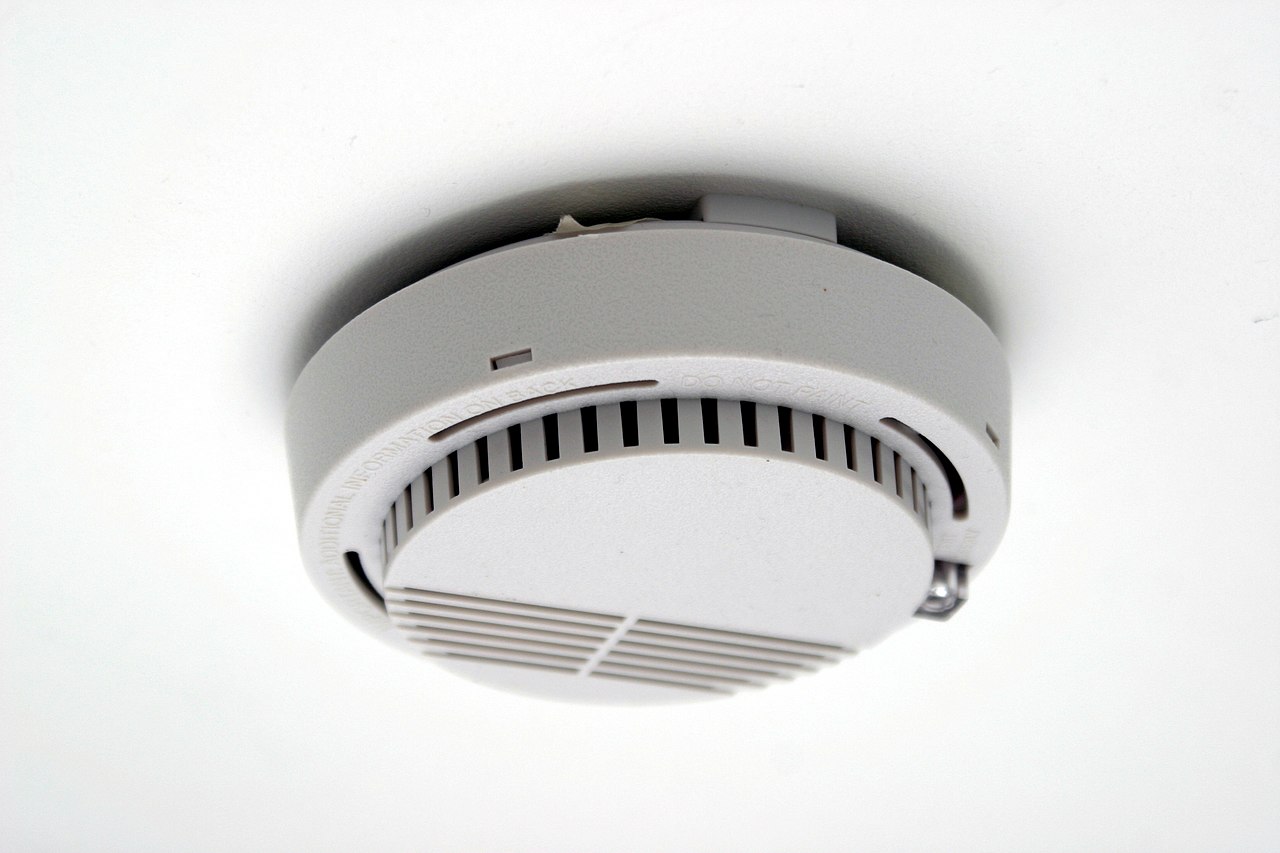 Tumi-1983, CC BY-SA 3.0
- Understanding Smart Video Clips in Home Surveillance - March 5, 2026
- Access Control Installation - March 2, 2026
- Fire Alarm Systems - February 27, 2026
Introduction to Smoke Alarm Systems
What Is a Smoke Alarm System?
A smoke alarm system is more than just a gadget—it’s your first line of defense against one of the most dangerous threats to your home: fire. These systems are designed to detect smoke particles in the air and alert you with a loud alarm, giving you and your family the crucial time needed to escape safely. The simplicity of a smoke alarm’s purpose hides its profound significance. At the core, it’s a combination of sensors, circuits, and alert systems working in harmony to protect what matters most—life and property.
Smoke alarms typically fall into standalone or interconnected types. A standalone smoke alarm works independently, while an interconnected system links multiple alarms together. When one detects smoke, all connected alarms go off simultaneously. This interconnectivity is especially vital in larger homes or multi-level buildings, where a single alarm might not be heard across all areas.
The technology behind these systems has evolved over the years. Today, there are smoke alarms equipped with smart sensors, Wi-Fi capabilities, mobile notifications, and even voice alerts. Whether it’s a single-bedroom apartment or a sprawling commercial facility, there’s a smoke alarm solution tailored to every need.
Importance of Smoke Alarm Systems in Homes and Buildings
Every year, thousands of lives are lost due to residential fires—many of which could have been prevented or mitigated with the early warning of a smoke alarm system. According to fire safety data, homes without working smoke alarms account for nearly half of all fire-related deaths. That’s a staggering statistic and a clear call to action for every homeowner.
A working smoke alarm system doesn’t just alert you to fire; it dramatically improves your chances of survival. Fires spread quickly—sometimes doubling in size every 30 seconds. An early alert could be the difference between a safe escape and a tragic outcome.
In buildings, especially commercial spaces, smoke alarm systems are not just recommended—they’re often mandated by law. These systems play a pivotal role in ensuring public safety, minimizing property loss, and facilitating efficient evacuation procedures.
Moreover, having a reliable smoke alarm system can also impact your home insurance. Many insurers offer discounts for homes equipped with working smoke alarms and fire detection systems. It’s a win-win: increased safety and reduced insurance premiums.
How Smoke Alarm Systems Work
Components of a Smoke Alarm System
Understanding what goes into a smoke alarm system helps demystify how they work. Typically, a smoke alarm system consists of the following components:
-
Sensing chamber – where smoke is detected.
-
Alarm – an audible and sometimes visual signal that alerts occupants.
-
Power source – either battery-operated or hardwired with a battery backup.
-
Control panel (for interconnected systems) – manages the network of alarms.
-
Connectivity features – found in smart alarms, enabling alerts via mobile devices.
Each of these components plays a role in ensuring rapid detection and response. The sensing chamber is perhaps the most critical; it’s where smoke particles are recognized using different technologies, which we’ll explore shortly. Once smoke is detected, the system triggers the alarm, alerting anyone nearby and potentially notifying your smartphone or a monitoring service.
More advanced systems also include features like voice alerts specifying the location of the fire, LED lights for visibility in smoky conditions, and CO detection for dual-threat protection.
The Science Behind Smoke Detection
There are two primary technologies used in smoke alarms: ionization and photoelectric detection. Each has its strengths and is designed to detect different types of fires.
-
Ionization smoke alarms are better at detecting fast, flaming fires. They contain a small amount of radioactive material between two electrically charged plates, which ionizes the air and creates a current. When smoke enters the chamber, it disrupts the ion flow, triggering the alarm.
-
Photoelectric smoke alarms, on the other hand, excel at detecting slow, smoldering fires. These use a light beam and a sensor—when smoke particles scatter the light, the sensor picks it up and sounds the alarm.
Dual-sensor alarms combine both technologies, offering comprehensive protection. These are recommended for optimal safety because fires can behave unpredictably, starting slow and becoming fierce within moments.
As technology advances, newer systems incorporate additional sensors that detect heat, carbon monoxide, and even air quality. These improvements are ushering in a new era of smart safety, where detection is faster, more accurate, and better integrated with other systems in your home.
Types of Smoke Alarm Systems
Ionization Smoke Alarms
Ionization alarms are the traditional go-to for many households. They’re generally more affordable and are particularly effective at catching fast-flaming fires, which are characterized by rapid flames and minimal smoke—like when paper or grease catches fire.
These alarms use a minuscule amount of americium-241, a radioactive element, which creates an ionized current between two plates. When smoke particles enter, they disrupt the ion flow, reducing the current and sounding the alarm.
However, one downside is their tendency to be triggered by non-emergency smoke like burnt toast or shower steam. That’s why it’s essential to install them away from kitchens and bathrooms. They’re best suited for hallways, bedrooms, and living areas.
For those on a budget or looking to outfit multiple rooms, ionization alarms provide a reliable, cost-effective option. Just be sure to test them monthly and replace batteries regularly to ensure they’re functioning properly.
Photoelectric Smoke Alarms
Photoelectric alarms are your best defense against smoldering fires—those that start slow and produce a lot of smoke before bursting into flames. Imagine a cigarette dropped on a couch cushion; the fire builds gradually, often going unnoticed until it’s too late.
These alarms have a light source aimed away from a sensor. When smoke enters the chamber, it scatters the light, redirecting it onto the sensor and triggering the alarm. They’re more sensitive to visible smoke, making them ideal for early warning.
While they might be slightly more expensive than ionization models, their reduced false alarm rate makes them a smart investment. They’re perfect for areas near kitchens and bathrooms where false alarms are more common.
Installing a mix of photoelectric and ionization alarms throughout your home ensures you’re protected from both types of fire scenarios. Or better yet—go for dual-sensor models for all-around safety.
Certainly! Here’s the continuation of “Smoke Alarm Systems – The Ultimate Guide to Fire Safety at Home”:
Dual-Sensor Smoke Alarms
Dual-sensor smoke alarms combine both ionization and photoelectric technologies into one unit, offering comprehensive protection against both fast-flaming and slow-smoldering fires. This combination makes them one of the most effective and reliable options for residential safety.
The dual detection capability minimizes blind spots in fire detection. For instance, if a fire starts smoldering in a pile of laundry but later bursts into flames, a dual-sensor alarm is equipped to detect both phases. This versatility provides peace of mind, especially for families with children, much older individuals, or anyone with limited mobility.
However, because of their advanced technology, dual-sensor alarms are typically priced higher than single-technology models. Still, considering the added safety benefits, many experts—including fire departments and safety organizations—recommend them as the best choice for home installation.
When installing dual-sensor alarms, place them in high-risk areas like bedrooms, hallways, stairwells, and common rooms. Avoid placing them too close to kitchens or bathrooms unless they include a false-alarm suppression feature.
Smart Smoke Alarms
Smart smoke alarms are the latest evolution in fire safety technology. These devices go beyond basic detection by integrating with your Wi-Fi network, enabling real-time alerts, remote monitoring, and even voice assistance through smart home platforms like Amazon Alexa, Google Assistant, or Apple HomeKit.
Key features of smart smoke alarms include:
- Mobile notifications: Get instant alerts on your smartphone, whether you’re home or away.
- Self-testing & diagnostics: These alarms routinely check their own sensors and batteries, notifying you of any malfunctions.
- Voice alerts: Instead of just a siren, some alarms announce the type and location of the danger—e.g., “Smoke detected in the kitchen.”
- Integration with smart systems: They can trigger other devices, like unlocking smart locks, turning on lights, or shutting off HVAC systems to slow fire spread.
While they are the most expensive type, smart alarms offer unparalleled convenience and safety, particularly for tech-savvy homeowners or those managing multiple properties.
Choosing the Right Smoke Alarm System
Selecting the right smoke alarm involves balancing budget, home layout, and personal needs. Here are some general guidelines:
- Size and layout of your home: Larger homes or multi-level residences benefit from interconnected or smart alarms.
- Location of installation: Use photoelectric alarms near kitchens and bathrooms; ionization alarms in living areas and hallways.
- Family needs: For households with children or older member of the family , choose alarms with voice alerts and visual signals.
- Budget considerations: Even basic models provide essential protection—but investing in dual-sensor or smart alarms increases coverage and reduces false alarms.
Regardless of the model, always look for certification labels like UL (Underwriters Laboratories) to ensure the alarm meets safety standards.
Installation and Maintenance Tips
Proper installation is critical to ensuring your smoke alarm functions correctly. Follow these best practices:
- Install alarms on every level of your home, including the basement.
- Place one inside every bedroom and outside sleeping areas.
- Mount alarms on the ceiling, ideally in the center of the room or at least 4 inches away from walls.
- Avoid dead air spaces like corners, where airflow might bypass the sensors.
Maintenance is equally important:
- Test alarms monthly by pressing the test button.
- Replace batteries at least once a year (or when the low battery chirp sounds).
- Clean the unit regularly with a vacuum or soft brush to remove dust and cobwebs.
- Replace the entire unit every 10 years, or as recommended by the manufacturer.
Conclusion: Invest in Safety
Smoke alarm systems are a critical investment in your home’s safety and your family’s well-being. Whether you opt for traditional models or embrace the latest smart technology, the key is having functional, well-placed alarms throughout your home.
Don’t wait for a close call to realize their importance. Take action now: inspect your current smoke alarms, upgrade where necessary, and commit to regular testing and maintenance.
Your home can be replaced—your life cannot.
Certainly! Here’s the final section of “Smoke Alarm Systems – The Ultimate Guide to Fire Safety at Home”, covering additional safety tips, legal requirements, and FAQs.
Additional Fire Safety Tips
While smoke alarms are a crucial first step, comprehensive fire safety involves multiple layers of prevention and preparedness. Here are some extra steps you can take:
1. Create and Practice a Fire Escape Plan
- Draw a map of your home with at least two exits per room.
- Designate a meeting place outside.
- Practice your escape plan at least twice a year, especially with children and older family members.
2. Install Fire Extinguishers
- Place multi-purpose extinguishers (Class A-B-C) in key areas such as the kitchen, garage, and near exits.
- Learn how to use them with the PASS method: Pull, Aim, Squeeze, and Sweep.
3. Avoid Fire Hazards
- Don’t overload electrical outlets.
- Keep flammable items away from stoves, heaters, and candles.
- Turn off appliances when not in use.
4. Consider Additional Detectors
- Carbon monoxide (CO) alarms are essential if your home has gas appliances or an attached garage.
- Heat detectors can be useful in areas where smoke alarms may trigger false alarms, like attics or kitchens.
Legal and Regulatory Requirements
Depending on where you live, building codes and fire safety laws may require specific smoke alarm installations:
- New homes often must have hardwired, interconnected alarms with battery backup.
- Rental properties typically must include working alarms maintained by the landlord.
- Local ordinances may dictate the number, type, and placement of alarms.
Check with your local fire department or building authority for the exact regulations in your area. Compliance isn’t just about legality—it ensures a higher level of safety.
Frequently Asked Questions (FAQs)
Q1: How often should I replace my smoke alarm?
A: Most alarms should be replaced every 10 years, even if they still “seem” to work. The sensors degrade over time.
Q2: What should I do if my smoke alarm keeps going off without a fire?
A: It might be installed too close to kitchens or bathrooms. Consider relocating it or switching to a photoelectric model with fewer false alarms.
Q3: Do I need a smoke alarm in every room?
A: At minimum, place one in each bedroom, outside sleeping areas, and on every floor, including the basement. Additional units can offer extra protection.
Q4: Can I install a smoke alarm myself?
A: Yes, many are designed for DIY installation, especially battery-operated models. For hardwired or interconnected systems, it’s best to hire a professional electrician.
Q5: Are smart alarms worth the price?
A: If you want remote alerts, voice instructions, and integration with smart home systems, they’re a worthwhile investment—especially for frequent travelers or tech-savvy users.
Final Thoughts
Fire moves fast, but your preparedness can be faster. A properly installed, well-maintained smoke alarm system is not just a safety device—it’s a life-saving tool that protects your loved ones, your home, and your peace of mind.
Whether you’re upgrading an old system, moving into a new place, or just starting your fire safety journey, now is the best time to take action.
Stay alert. Be prepared. Always be safe.
Sources:
-
Centers for Disease Control and Prevention (CDC) – Fire Prevention
https://www.cdc.gov/disasters/fire/index.html
Fire injury prevention strategies and data on fire-related deaths. -
National Institute of Standards and Technology (NIST) – Fire Research Division
https://www.nist.gov/el/fire-research-division-73300/smoke-alarm-technology
Research on smoke detection technologies and fire behavior. -
Environmental Protection Agency (EPA) – Indoor Air Quality
https://www.epa.gov/indoor-air-quality-iaq/smoke-detectors
Information on smoke detection in relation to indoor air quality.
About All Action Alarm: Your Trusted Partner in Home Security Solutions
When it comes to protecting your home and loved ones, there’s no room for compromise. At All Action Alarm, we take home security to the next level by offering top-tier protection with cutting-edge technology and expert monitoring services that you can rely on. As a leader in the security industry, we’re committed to keeping homes and businesses safe, providing peace of mind 24/7.
Check out Home Fire Alarm system and Get Started with All Action Alarm Today! Check out also this articles:
Don’t wait for an emergency to take action. Protect your home and family with the best in the business. Call (631) 549-7225 to schedule your consultation, or visit allactionalarm.com to learn more about our services.
Your safety is our top priority.




 Image by www.homespothq.com


 Ca.garcia.s, CC BY-SA 4.0
 Image by www.homespothq.com