
Residential Fire Sprinkler System

What is a Residential Fire Sprinkler System?
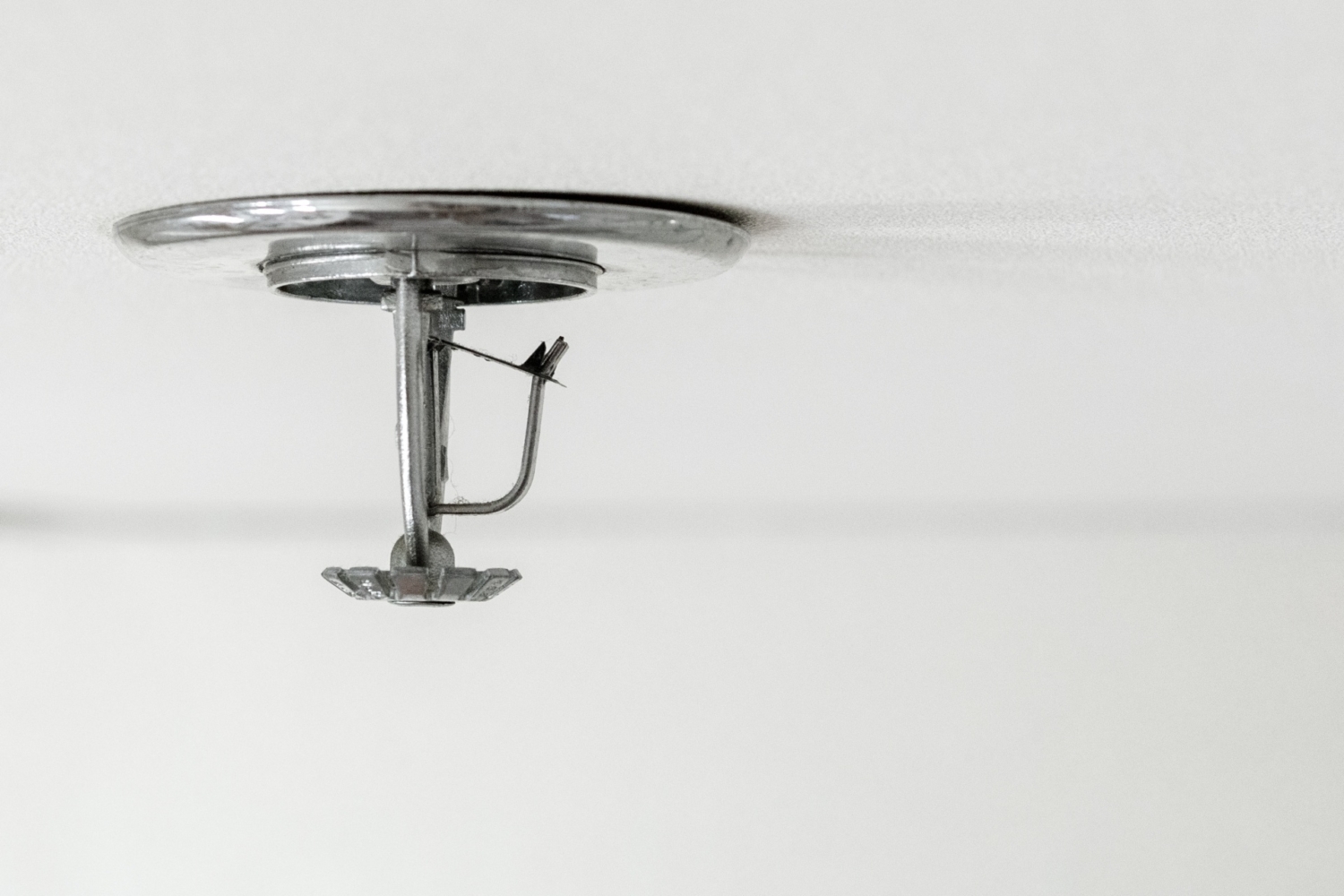
A residential fire sprinkler system is like a silent guardian tucked into your ceiling—unnoticed until the moment it matters most. It’s a network of water pipes connected to strategically placed sprinkler heads that automatically release water when a certain heat threshold is reached. Unlike what you might see in movies, not all the sprinklers go off at once. Only the ones near the fire are activated, helping minimize water damage while maximizing safety.
These systems are designed specifically for homes, which means they’re typically less complex and less costly than their commercial counterparts. While commercial systems often have high-capacity water requirements and more stringent performance standards due to larger structures and denser occupancies, residential sprinkler systems are optimized for speed, efficiency, and simplicity.
In essence, it’s a personalized fire-fighting mechanism tailored for your home. It’s always on standby, and when paired with smoke alarms, it gives your family a dual-layer defense system. And yes, it could be the very thing that gives you those extra precious seconds to escape safely or prevents a small kitchen fire from turning into a devastating blaze.
Most modern systems are integrated during the construction phase, but they can also be retrofitted into existing homes with proper planning. Whether you’re building a new home or upgrading an old one, understanding this system is crucial if you care about long-term safety and peace of mind.
Why Residential Fire Sprinkler Systems Are Important
Let’s be honest—no one thinks a fire will happen in their home. But according to the National Fire Protection Association (NFPA), home fires account for nearly 75% of all civilian fire deaths. That’s a sobering statistic, and it shows just how vulnerable residential spaces are. But there’s good news: homes equipped with sprinkler systems can reduce the risk of dying in a fire by up to 80%.
The importance of these systems goes far beyond just statistics. Imagine you’re away at work or asleep upstairs—fire breaks out in the kitchen. A smoke detector might alert you, but if you’re not there or don’t wake up in time, that fire can spread fast. Now imagine a sprinkler activates automatically, containing the fire within seconds. The difference between total devastation and minimal damage could be just that one sprinkler head.
Additionally, fire sprinkler systems drastically reduce property damage. Fires suppressed by sprinklers result in 70% less damage than those without. Insurers love that, too—some even offer discounts on premiums just because you have one installed.
But most importantly, it’s about saving lives. Fires move incredibly fast. You’ve got maybe two minutes to get out once a fire starts. Sprinklers slow down that clock, giving you and your loved ones a better chance at making it out safely.
How Residential Fire Sprinkler Systems Work
Here’s where the magic happens—and it’s surprisingly simple. A residential fire sprinkler system works based on heat, not smoke. Each sprinkler head is equipped with a heat-sensitive element, typically a glass bulb filled with a glycerin-based liquid that expands when heated.
When the temperature at the ceiling reaches around 135–165°F (57–74°C), the bulb bursts. That releases water immediately and directly over the area of the fire. The system is designed so that only the sprinkler closest to the fire activates, which means you won’t end up with a flooded house just because you burnt some toast.
The pressure in the pipes (connected either to your home’s water supply or a dedicated tank/pump system) ensures water is sprayed in a controlled, efficient pattern, optimized to cover the area and suppress flames fast.
Some systems are automatic and always “charged” with water, while others use sensors to release water only after confirming fire presence. There’s no need to manually trigger anything—once the fire creates enough heat, the system does the rest.
This setup not only buys you time but also reduces the chance of flashovers—those moments when everything in a room ignites all at once due to extreme heat. That’s where most fatalities happen. Fire sprinklers prevent that worst-case scenario.
Types of Residential Fire Sprinkler Systems
Not all systems are created equal. Your choice will depend on your home type, location, climate, and budget. Let’s break it down:
-
Wet Pipe Systems
The most common type for homes. The pipes are always filled with water. When a sprinkler head activates, water flows immediately. It’s fast, reliable, and ideal for areas where pipes won’t freeze. -
Dry Pipe Systems
Here, the pipes are filled with pressurized air or nitrogen. Water is held back at a control valve until the sprinkler activates and the air pressure drops. This system is used in colder climates where water could freeze in the pipes. -
Pre-action Systems
A mix between wet and dry. Water is not in the pipes until a fire is detected and triggers a second set of sensors. They’re more common in areas where accidental discharge would be very costly—like art galleries—but can be used in upscale homes. -
Deluge Systems
Rare in homes, but they release water through all sprinklers at once when triggered. Used mostly in high-risk industrial areas.
For most homes, a wet pipe system is sufficient, easy to maintain, and budget-friendly. But if you’re in a cold climate or have specific safety needs, exploring other options might be smart.
Components of a Residential Fire Sprinkler System
You can think of a residential fire sprinkler system as a carefully engineered team of components that work together seamlessly, like players in a championship sports team. Each one has a specific role, and when the game (or in this case, fire) begins, they jump into action.
Let’s break down the major components:
-
Sprinkler Heads: These are the most visible part of the system and come in different styles—pendant, upright, concealed, and sidewall. Each head contains a heat-sensitive element (often a glass bulb) that breaks when a certain temperature is reached. Then, water sprays out in a carefully designed pattern.
-
Piping Network: This is the backbone of the system. Pipes—typically made of CPVC (chlorinated polyvinyl chloride), copper, or steel—connect the water supply to all the sprinkler heads. These pipes are routed through ceilings and walls, either during construction or as part of a retrofit.
-
Water Supply: Every system needs a reliable water source. Most residential systems tie directly into your home’s plumbing. In rural or off-grid areas, a storage tank with a pump might be used.
-
Control Valves: These allow you to shut off or isolate certain parts of the system when needed. Some systems include check valves to prevent backflow into the potable water supply.
-
Alarm Systems: Many modern residential sprinkler systems include audio or visual alarms that activate when the sprinklers do, alerting occupants and emergency responders.
-
Backflow Preventers: Required in many areas to protect your drinking water from contamination, this device ensures that sprinkler water doesn’t flow back into your home’s clean water supply.
-
Pressure Gauges & Flow Switches: These help monitor the system’s condition. A drop in pressure or a signal from a flow switch indicates that a sprinkler has been activated or there’s a problem in the line.
Each component is essential for a fully functioning and code-compliant system. When installed properly, they provide reliable, near-instantaneous fire suppression with little room for failure. Think of it like a smoke alarm that doesn’t just scream—it actually fights back.
Installation Process Explained
Installing a fire sprinkler system in a home isn’t just a plug-and-play project—it’s a careful, multi-step process that involves planning, design, and skilled labor. Whether you’re building a new house or adding sprinklers to your existing home, the process starts long before a single pipe is installed.
1. Initial Assessment & Planning:
A certified contractor will evaluate your home’s layout, square footage, water pressure, and local codes. Based on this, they’ll develop a system plan that ensures optimal coverage while keeping installation costs manageable.
2. System Design & Permitting:
Using CAD software, the contractor will create a detailed blueprint showing pipe routes, sprinkler head locations, and hydraulic calculations. These plans must be approved by local building and fire departments before work can begin.
3. Prepping the Site:
For new constructions, this step happens during framing. For retrofits, walls and ceilings may need to be opened to run pipes. The contractor will coordinate with plumbers and electricians to prevent interference between systems.
4. Installing the System:
Pipes are cut, fitted, and routed through the home according to the approved design. Sprinkler heads are installed at precise locations to ensure each area is properly covered. Connections are sealed, and valves, gauges, and alarms are hooked up.
5. Water Supply Connection:
The system is tied into your home’s water supply, usually just after the main shutoff valve. In some cases, a booster pump may be added if water pressure is too low.
6. Testing & Final Inspection:
Once everything is connected, the system undergoes pressure testing to ensure there are no leaks. A local fire marshal or inspector will review the setup and give final approval before the system is commissioned.
7. Finishing Touches:
If any walls or ceilings were cut into, contractors patch them up. Concealed heads are covered with flat plates, and any visible elements are painted or blended to match your decor.
The entire process for a standard single-family home usually takes a few days to a week. For retrofits, it might take a bit longer, especially if extensive work is required to access tight spaces. But once it’s done, you have an invisible layer of protection that could make all the difference in an emergency.
Maintenance and Inspection
You might think once your fire sprinkler system is installed, you can forget about it. Not quite! Like any safety system, sprinklers need regular maintenance and inspection to ensure they’re ready when you need them most.
Here’s what a solid maintenance routine looks like:
-
Monthly Visual Checks: Walk around your home and inspect the sprinkler heads. Make sure they’re unobstructed—no furniture, curtains, or decorations blocking their spray path. Also, check for signs of corrosion or tampering.
-
Quarterly or Semi-Annual Testing: Hire a licensed professional to test flow rates, valve operation, and water pressure. They’ll also verify that your alarm system (if installed) works as intended.
-
Annual Full Inspection: This is the big one. The technician will inspect every component, flush the system, check for leaks, clean the heads, test control valves, and ensure your system complies with updated building codes. They’ll issue a report detailing the system’s condition and any repairs needed.
-
Professional Maintenance After Activation: If your sprinkler system ever goes off—even for a minor fire—it needs a full check-up. Sprinkler heads that activated will need replacement, and your pipes may need flushing due to sediment buildup.
-
Winterization (if necessary): In cold climates, systems with exposed pipes need freeze protection. That means insulation, heat tape, or using dry-pipe systems. If your sprinkler system is in an unheated area like an attic or garage, ask your contractor about special preparations.
-
Don’t DIY Repairs: Unless you’re a trained professional, don’t attempt to repair or replace parts of your system. Even seemingly small adjustments can throw off water pressure and coverage, which could be disastrous in an emergency.
A well-maintained system can last 20+ years and potentially save your life. Neglect it, and it might fail you when you need it most. Spending a few hours and dollars per year is a small price for that kind of security.
Cost of Residential Fire Sprinkler Systems
Let’s talk dollars and cents—because while safety is priceless, homeowners still need to plan and budget. The cost of a residential fire sprinkler system can vary widely based on several factors, but here’s a comprehensive breakdown to help you make sense of it all.
Installation Costs
On average, installing a fire sprinkler system in a new construction home costs between $1.00 to $2.00 per square foot. So for a 2,000-square-foot home, you’re looking at $2,000 to $4,000. When you compare that to the cost of a new kitchen appliance suite or even a fancy couch, it’s surprisingly affordable—especially for something that protects your entire home.
For retrofitting an existing home, the price can go up significantly—$2.50 to $7.00 per square foot, or more. This is because it often involves cutting into walls and ceilings, rerouting pipes around existing wiring and ductwork, and then patching and painting afterward.
Some key factors that influence the cost:
-
Home size and layout: More rooms and floors mean more sprinkler heads and piping.
-
Ceiling type: Vaulted or custom ceilings might require special installation techniques.
-
Pipe material: CPVC is cheaper than copper, but may not be suitable in all climates or jurisdictions.
-
Water pressure: If your home has low pressure, you may need a pump or a larger water supply line.
-
Permitting and inspections: Varies by location and local building codes.
Ongoing Maintenance Costs
Maintenance is surprisingly affordable. Expect to spend about $150–$300 per year for professional inspection and servicing. Some homeowners may opt for more frequent checks if they live in cold climates or have a more complex system.
If repairs are needed, replacing a single sprinkler head typically costs $100–$200, depending on the type and accessibility. However, these heads are built to last and rarely require replacement unless activated or damaged.
Hidden Savings & Long-Term Benefits
While the upfront cost might give some homeowners pause, you have to weigh it against the potential savings and protection:
-
Lower insurance premiums: Many insurance providers offer 5% to 15% discounts for homes with a working sprinkler system.
-
Property protection: Fire-related repairs can cost tens or even hundreds of thousands of dollars. A $4,000 sprinkler system can stop that from ever happening.
-
Peace of mind: You can’t put a price on knowing your family is safer—especially when you’re away or asleep.
In essence, a residential sprinkler system is one of those rare upgrades that is both practical and protective, offering a return on investment not just in money, but in lives and memories preserved.
Fire Sprinkler Myths Debunked
There are plenty of myths floating around about fire sprinkler systems—thanks in part to Hollywood’s wildly inaccurate portrayals. Let’s set the record straight and debunk some of the most common misconceptions once and for all.
Myth 1: If one sprinkler goes off, they all go off.
Reality: Not even close. In a residential system, each sprinkler head acts independently. Only the head(s) directly exposed to high heat from a fire will activate. So, if a fire starts in your kitchen, only that sprinkler activates—not the ones in your bedrooms or living room.
Myth 2: Sprinklers are triggered by smoke.
Reality: Nope! Sprinklers respond to heat, not smoke. Smoke from cooking or candles won’t set off a sprinkler. The sprinkler head only activates when the temperature reaches around 135–165°F, which usually only happens in the presence of a real fire.
Myth 3: Water damage from sprinklers is worse than fire damage.
Reality: This one’s flat-out wrong. A sprinkler uses around 10–20 gallons of water per minute, while a fire hose blasts out up to 125 gallons per minute. Fires without sprinklers cause significantly more water, fire, and smoke damage. A single activated sprinkler head can control or extinguish a fire before the fire department even arrives.
Myth 4: Sprinkler systems are ugly and ruin interior design.
Reality: Modern systems offer sleek, low-profile, or concealed heads that blend into ceilings. Some even come with decorative covers that match your room’s style. Unless you’re actively looking for them, you might not even notice they’re there.
Myth 5: They’re only for big or luxury homes.
Reality: Sprinkler systems are affordable and scalable. They’re being installed in modest single-family homes, townhomes, and even mobile homes. With current codes and incentives, they’re more accessible than ever.
Dispelling these myths is key to helping more homeowners understand that fire sprinklers are not a luxury—they’re a smart, life-saving necessity.
Residential Building Codes and Fire Sprinkler Requirements
Understanding building codes might not be the most exciting part of homeownership, but when it comes to fire sprinkler systems, it’s absolutely critical. Why? Because these codes determine whether you must install a system—and how it should be installed.
NFPA 13D – The Gold Standard
The National Fire Protection Association’s NFPA 13D is the code most commonly used for designing residential sprinkler systems. It provides the baseline for:
-
System design and layout
-
Water supply requirements
-
Installation guidelines
-
Testing and maintenance standards
Unlike commercial standards (like NFPA 13 or 13R), NFPA 13D is tailored for one- and two-family dwellings, making it simpler and more cost-effective.
International Residential Code (IRC)
In 2009, the IRC added a provision requiring fire sprinklers in all new one- and two-family homes. However, adoption of this rule varies by state and locality. Some areas have embraced it, while others have opted out due to pushback from builders or homeowners.
Local Jurisdiction Overrides
Many municipalities have their own fire safety ordinances. For example:
-
California requires fire sprinklers in all new homes.
-
Maryland and Washington, D.C. have similar mandates.
-
Other states leave it up to local counties or cities.
Before installing or renovating, always check with your local building and fire departments. Permits are usually required, and inspections must be passed before your system is approved.
HOAs and Property Developers
In some neighborhoods, the HOA or developer may already include sprinkler systems in new builds or even offer them as optional upgrades. Others may restrict visible system components, so it’s crucial to align your plans with community standards.
Building codes exist for your safety, but they also serve to standardize quality. By following code, you’re ensuring your system will work when you need it—and that it won’t create unexpected liability issues later.
Retrofitting Fire Sprinklers in Existing Homes
Retrofitting a fire sprinkler system in an existing home might sound like a major project—and yes, it does come with its share of challenges—but it’s absolutely doable. Whether you’re living in a vintage Victorian or a 1990s ranch-style house, bringing your home up to modern safety standards is an investment that pays off in peace of mind.
Is Retrofitting Feasible?
In most cases, yes. A skilled contractor can install a sprinkler system in nearly any home. The process just requires careful planning. Retrofitting is especially practical during major home renovations when walls or ceilings are already open. But even without a remodel, solutions exist that minimize disruption.
Systems designed for retrofits often use CPVC piping—a lightweight, flexible material that can be snaked through walls and ceilings with minimal demolition. Some systems even use multi-purpose piping, which serves both plumbing and sprinklers, reducing overall work.
What Does the Process Look Like?
Here’s how a typical retrofit unfolds:
-
Assessment: A contractor inspects the home layout, ceiling types, access points, and water pressure.
-
Design: A system is designed to cover high-risk areas—kitchen, bedrooms, hallways—while minimizing impact on your existing structure.
-
Installation: Small holes are cut to route pipes. In some cases, exposed piping (painted to match walls or ceilings) is used to avoid tearing into drywall.
-
Patch and Paint: Once installed, any openings are patched, sanded, and painted for a clean finish.
Challenges to Consider
-
Structural barriers like brick walls or inaccessible attic spaces can increase labor costs.
-
Low water pressure might require additional plumbing or a pump system.
-
Home layout may make full coverage difficult without extensive work.
However, modern retrofit-focused systems are smarter than ever. Some manufacturers now offer modular kits that simplify the entire process, and others use ceiling-mounted sprinkler heads that can be installed without cutting into walls.
Cost of Retrofitting
Expect to pay between $2.50 to $7.00 per square foot—more than new-construction installs but often less than you’d spend repairing fire damage. The good news is that retrofits can be done in phases. You don’t have to outfit the whole house at once; you can start with high-risk areas and expand over time.
If you’re already remodeling, adding sprinklers now can be more affordable and practical than waiting. After all, it’s easier to fish pipes through open studs than finished walls.
In short, retrofitting might take a little effort—but it’s well within reach, and the benefits are immeasurable.
Smart Home Integration with Sprinkler Systems
Smart home tech isn’t just for turning on lights or playing music anymore—it’s revolutionizing fire safety too. With the rise of IoT (Internet of Things), integrating your residential fire sprinkler system into your smart home setup can offer real-time monitoring, remote alerts, and advanced diagnostics.
How Does Integration Work?
While traditional sprinkler systems operate independently, smart integrations connect your system to a central hub or app. This allows homeowners to:
-
Receive alerts when a sprinkler activates (even if you’re not home)
-
Monitor water flow and pressure levels
-
Get maintenance reminders
-
Shut off water remotely in the event of accidental discharge or system malfunction
Types of Smart Components
-
Flow switches and sensors: Detect when a sprinkler head is activated and send data to a control panel or app.
-
Smart control valves: Allow you to turn off the water manually or automatically if a leak or false trigger occurs.
-
Integration with fire/smoke alarms: Sync your sprinklers with smart alarms to improve responsiveness and communication.
Benefits of Smart Integration
-
Peace of mind when away: You’ll get an instant notification if something’s wrong, whether you’re at work, on vacation, or asleep.
-
Insurance documentation: Automated logs can help you prove system activity or maintenance to your insurer after an incident.
-
Energy and water conservation: Some systems can stop water flow once the fire is contained, reducing unnecessary water damage.
Compatibility and Installation
Most smart integrations are added during installation or retrofit, but some components can be added later. Make sure your system is compatible with smart home platforms like Amazon Alexa, Google Home, or Apple HomeKit.
If you’re already building a connected home, adding smart sprinklers to the mix just makes sense. It’s another layer of intelligence in your home’s defense system—one that works around the clock and speaks your language.
Insurance Benefits of Installing Fire Sprinklers
One of the more overlooked perks of installing a residential fire sprinkler system is how it can lower your homeowner’s insurance premiums. Insurers love anything that reduces risk—and a working sprinkler system is one of the best risk reducers out there.
How Much Can You Save?
Savings vary, but many insurance companies offer discounts ranging from 5% to 15%. That might not seem like much, but over time, those savings add up—especially when paired with other home safety systems like security alarms or leak detectors.
Some insurers may even offer additional discounts if you install smart sprinkler systems or have your setup verified annually by a certified professional.
What Do Insurers Look For?
-
Compliance with local codes (NFPA 13D or equivalent)
-
Professional installation (DIY systems usually don’t qualify)
-
Proof of annual inspection or maintenance
-
Documentation of system type, coverage area, and water supply source
It’s a good idea to contact your insurance agent before or after installation to discuss potential savings. Some insurers may require photos, blueprints, or an inspection report to validate your system and issue the discount.
Other Financial Benefits
-
Reduced fire-related claims: Even one small kitchen fire can cause thousands in damage. Sprinklers can minimize or prevent those costs entirely.
-
Higher resale value: Safety-conscious buyers often see sprinkler systems as a valuable bonus.
-
Peace of mind: Less measurable, but incredibly valuable when you consider the emotional and financial toll of fire damage.
When combined with reduced repair costs and higher safety, insurance savings just add another layer of financial incentive.
Environmental Benefits of Fire Sprinklers
Fire sprinklers aren’t just about saving lives and property—they’re also surprisingly eco-friendly. In a world that’s increasingly focused on sustainability, it’s worth recognizing how these systems contribute to environmental conservation, especially when compared to traditional fire suppression methods.
1. Reduced Water Usage
It may sound ironic, but fire sprinklers use significantly less water than firefighters’ hoses. While a typical fire hose discharges around 125-250 gallons per minute, a residential sprinkler head uses only 10 to 20 gallons per minute. Since only the nearest sprinkler head activates (not the whole system), water is used efficiently and precisely at the fire’s source.
By containing fires early, sprinklers prevent the need for massive volumes of water that would be used in a fully developed blaze. That’s a huge win for water conservation.
2. Less Toxic Runoff
Fires that rage uncontrolled often produce toxic runoff from burned plastics, electronics, and chemicals. This contaminated water can seep into storm drains and natural waterways, harming local ecosystems. Sprinklers help extinguish fires before they reach that level of intensity, thereby limiting the release of harmful substances.
In contrast, suppression with large volumes of water—or with chemical extinguishers—can introduce more pollutants into the environment.
3. Reduced Carbon Emissions
Fires emit massive amounts of carbon dioxide, carbon monoxide, and other greenhouse gases. A single house fire can release as much CO₂ as driving thousands of miles. Because sprinklers activate so early, they stop fires before they become major sources of air pollution, reducing both emissions and particulate matter.
4. Less Building Material Waste
When a home is heavily damaged or destroyed by fire, vast amounts of building materials—wood, drywall, insulation, roofing—end up in landfills. But if a sprinkler controls or extinguishes the fire early, the structure often remains salvageable, and less reconstruction is required. That means less waste, fewer resources used for rebuilding, and less environmental impact.
5. Sustainable Home Certification Points
In some regions, adding fire sprinklers can earn points toward green home certifications like LEED or EarthCraft. These programs recognize systems that contribute to long-term sustainability and occupant health.
Fire sprinklers, then, are not just a safety tool—they’re a green investment, protecting your home and the planet at the same time.
Choosing the Right System for Your Home
Choosing a fire sprinkler system isn’t a one-size-fits-all decision. Every home is different—so your system should be tailored to your layout, needs, budget, and local codes. Here’s how to pick the right setup without getting overwhelmed.
1. Understand Your Home’s Layout and Size
Start with your square footage and floor plan. Larger, multi-story homes will need more extensive piping and more sprinkler heads. Open-concept designs may require fewer heads with broader spray patterns, while homes with many small rooms may need more targeted coverage.
2. Consider Your Water Supply
Do you have reliable water pressure? If not, you might need a booster pump or a dedicated tank. Homes on private wells or in rural areas will need special consideration. Also, check if your municipality allows direct connection to the water main or requires a backflow preventer.
3. Choose a System Type
-
Wet pipe systems are best for most homes in temperate climates.
-
Dry pipe systems are ideal for homes in regions with freezing temperatures.
-
Pre-action systems offer added protection but may be overkill for small homes.
-
Multi-purpose systems combine your plumbing and sprinklers—great for new builds.
4. Decide Between Concealed or Exposed Heads
If aesthetics matter, you’ll want concealed heads that blend into ceilings. They cost a bit more but are barely noticeable. Exposed heads are cheaper and easier to maintain but more visible.
5. Get Multiple Quotes
Always get quotes from licensed, experienced contractors. Ask about their familiarity with local codes, warranty policies, and system maintenance plans. Beware of extremely low bids—they might indicate subpar materials or shortcuts in design.
6. Think About Future Upgrades
If you plan on remodeling or adding smart home tech, make sure your system can integrate with future expansions or tech upgrades. Some systems are modular and easy to expand.
7. Check for Incentives or Rebates
Some states and municipalities offer tax credits, rebates, or incentives for installing residential fire sprinklers. Your local fire department or building office can point you in the right direction.
At the end of the day, the best system for your home is one that meets your needs, fits your budget, complies with local codes, and gives you peace of mind.
Conclusion
A residential fire sprinkler system might not be the flashiest home upgrade, but it’s undoubtedly one of the most important investments you can make. It’s your first line of defense when seconds matter most. Whether you’re building a new home, renovating an old one, or just exploring ways to make your living space safer, sprinklers deliver unmatched protection—with the stats, science, and stories to prove it.
From preventing loss of life and property to conserving water and reducing environmental damage, fire sprinklers are quiet heroes tucked into your ceiling. They’re low-maintenance, cost-effective, and incredibly powerful.
So, don’t wait for a wake-up call in the form of a disaster. Be proactive. Whether you’re installing from scratch or retrofitting your existing home, take the next step toward safeguarding your family and everything you’ve worked hard to build.
FAQs
1. Are residential fire sprinklers worth the investment?
Absolutely. For a relatively low cost, you gain peace of mind, save on insurance, and most importantly, protect your family and property from the devastation of fire.
2. Can I install a fire sprinkler system myself?
It’s highly recommended to hire a licensed professional. Improper installation can render the system ineffective or even illegal, depending on local codes.
3. How long does it take to install a system?
For new construction, installation usually takes 2–5 days. For retrofits, it may take 1–2 weeks, depending on the home’s layout and complexity.
4. Will fire sprinklers damage my home during a false alarm?
Sprinklers don’t activate due to false alarms or smoke. They respond only to high heat, and only the nearest sprinkler head will go off—minimizing water damage.
5. What maintenance is required?
Basic yearly inspections by a professional, along with regular visual checks by the homeowner, are enough to keep the system in top condition for decades.
About All Action Alarm: Your Trusted Partner in Home Security Solutions
When it comes to protecting your home and loved ones, there’s no room for compromise. At All Action Alarm, we take home security to the next level by offering top-tier protection with cutting-edge technology and expert monitoring services that you can rely on. As a leader in the security industry, we’re committed to keeping homes and businesses safe, providing peace of mind 24/7.
Check out Home Automation Systems and Get Started with All Action Alarm Today!
Don’t wait for an emergency to take action. Protect your home and family with the best in the business. Call (631) 549-7225 to schedule your consultation, or visit allactionalarm.com to learn more about our services.
Your safety is our top priority.
Sources:


 Ca.garcia.s, CC BY-SA 4.0
