
Fire Suppression Sprinkler System
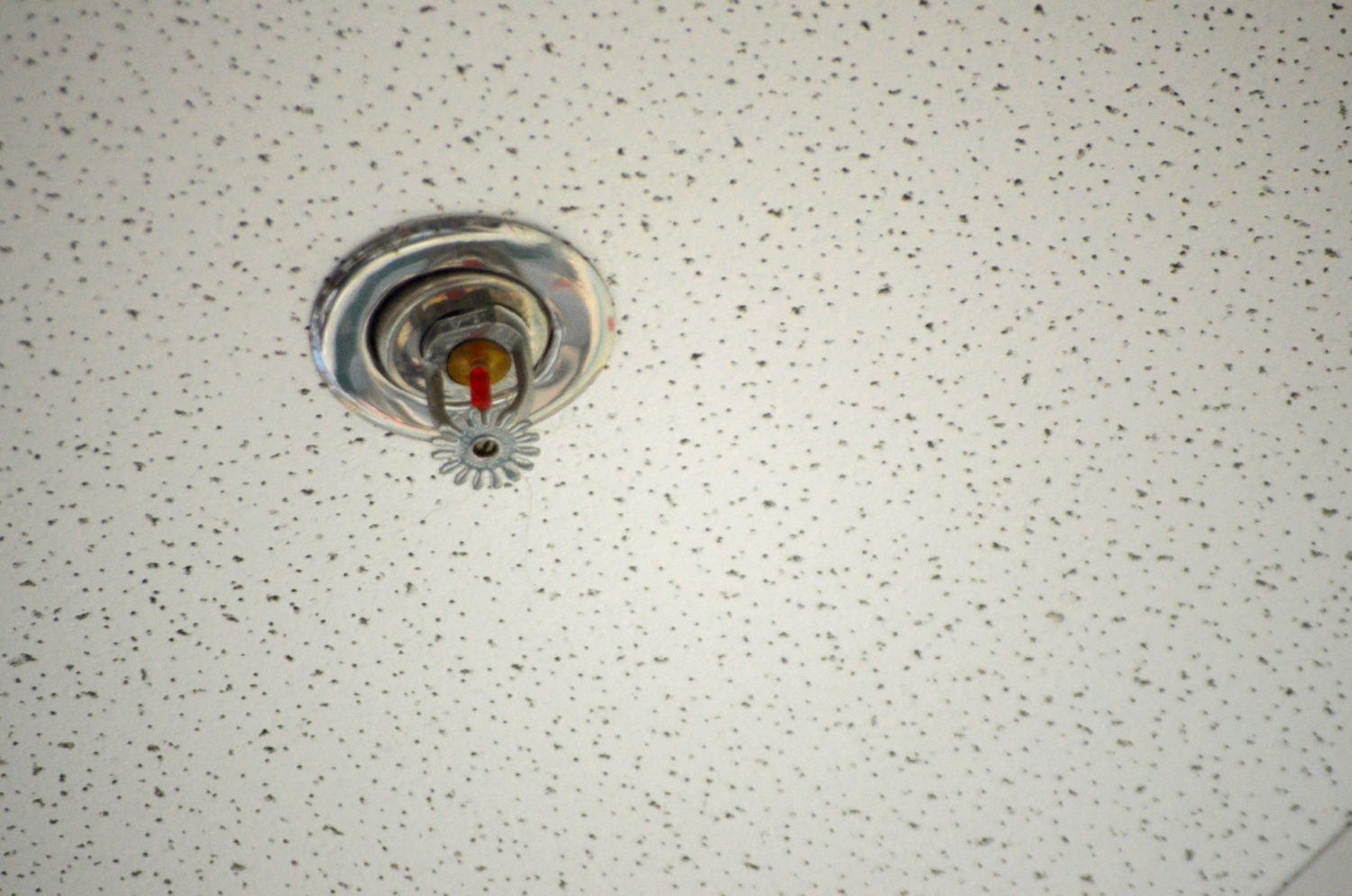

Introduction to Fire Suppression Sprinkler Systems
Imagine waking up in the middle of the night to the smell of smoke. Scary, right? Now imagine the sound of a sprinkler system kicking into action, dousing the flames before they spread—possibly saving lives and property. That’s the quiet heroism of fire suppression sprinkler systems. These unsung protectors are not just fancy water pipes on the ceiling; they’re an essential part of fire safety in homes, businesses, and industrial facilities.
Fire suppression sprinkler systems are designed to detect, control, and extinguish fires—automatically. Once triggered by high heat, these systems spring into action, targeting the fire with water, foam, or other agents. Whether it’s a small office space or a massive warehouse, these systems can mean the difference between a minor incident and a devastating loss.
They’re not just for compliance; they’re for peace of mind. In fact, properties equipped with fire sprinklers can reduce fire damage by up to 90%. So, if you’ve ever wondered how these systems work or whether you should install one, you’re in the right place. This guide will walk you through everything you need to know about fire suppression sprinkler systems—from how they work, to types, costs, myths, and even future trends.
So, let’s get into it.
Why Fire Suppression Systems Are Critical in Modern Buildings
Think about the sheer value inside modern buildings—not just in terms of money, but in terms of lives, data, memories, and productivity. A fire can wipe all that out in minutes. That’s why fire suppression systems aren’t a luxury anymore—they’re a necessity.
Modern buildings are built with a mix of materials, many of which are highly flammable. With the rise of open-plan offices, shared workspaces, and high-tech infrastructure, the fire risk is arguably greater than ever. Electrical overloads, cooking mishaps, industrial equipment malfunctions—you name it, there’s always a fire hazard lurking.
Beyond just preventing loss, there’s also a legal angle. Most local fire codes, insurance policies, and national safety standards (like NFPA codes) now require fire suppression systems in certain types of buildings. And with good reason. According to the National Fire Protection Association, the presence of a fire sprinkler system reduces the death rate per 1,000 fires by nearly 87%.
Hospitals, schools, hotels, warehouses, and even residential buildings can’t afford to go without them. They also minimize downtime in businesses. After a fire, businesses with suppression systems can often get back on their feet faster than those without. That translates into saved jobs, protected reputations, and minimized financial loss.
And let’s not forget the insurance perks. Most insurance companies offer lower premiums to buildings equipped with certified fire suppression systems. Why? Because these systems work—and the data proves it.
How Fire Sprinkler Systems Work
Let’s demystify the magic. A lot of people assume that the whole system just floods when someone lights a match. That’s Hollywood. In real life, fire sprinkler systems are smarter and more precise.
At the heart of a fire sprinkler system is a network of pipes filled with water (or other agents), connected to sprinkler heads. Each head is a standalone device designed to activate only when it detects high heat—usually around 155°F (68°C). It’s not smoke that sets them off—it’s heat.
Here’s a simplified breakdown:
-
Heat Detection: When a fire breaks out, it produces hot air that rises.
-
Sprinkler Activation: When the air around a sprinkler head gets hot enough, a glass bulb filled with a liquid expands and shatters, or a fusible link melts.
-
Water Discharge: Once triggered, the system releases water through the activated sprinkler head—just that one, not all of them.
-
Fire Suppression: The water or suppression agent hits the flames, cooling the fire and controlling the spread.
-
Alarm Notification: In most systems, an alarm also sounds, alerting occupants and emergency services.
The beauty of the system lies in its locality—only the sprinkler head closest to the fire goes off. That means less water damage, better control, and faster fire containment.
Types of Fire Suppression Sprinkler Systems
Not all fires are the same—and neither are the systems that fight them. Different environments call for different suppression methods. That’s why understanding the types of fire suppression sprinkler systems is key to choosing the right protection for your space. Let’s break down the major types you’ll encounter:
Wet Pipe Systems
These are the most common—and simplest—systems you’ll find. In a wet pipe system, the pipes are always filled with water. When the sprinkler head detects enough heat, it opens up, and water immediately discharges.
Pros:
-
Fastest response time
-
Low maintenance
-
Reliable in heated environments
Cons:
-
Not suitable for freezing temperatures (pipes can burst)
-
Can cause water damage if accidentally triggered
Wet pipe systems are ideal for office buildings, schools, and residential properties with a stable indoor climate.
Dry Pipe Systems
Unlike wet systems, dry pipe systems are filled with pressurized air or nitrogen. The water is held back by a valve until a sprinkler head opens—only then does the water rush in.
Pros:
-
Great for unheated areas (like warehouses, parking garages, or attics)
-
Prevents freezing damage
Cons:
-
Slower response (a few seconds delay)
-
Requires more maintenance
-
More expensive than wet pipe systems
Dry pipe systems are crucial in colder climates or anywhere there’s a risk of pipes freezing.
Pre-Action Systems
Pre-action systems combine the benefits of both wet and dry systems. Water isn’t released into the pipes until a two-step verification process occurs. Typically, a fire detection system (like a smoke detector) must first confirm a fire before the pipes fill with water. Then, the individual sprinkler head has to activate.
Pros:
-
Extremely reliable
-
Prevents accidental discharge
-
Ideal for sensitive environments like data centers, museums, libraries
Cons:
-
More complex and costly
-
Requires regular testing
If you’re protecting irreplaceable items or sensitive equipment, this is the gold standard.
Deluge Systems
Deluge systems are designed for high-hazard areas, like chemical plants, aircraft hangars, or power stations. In this system, all sprinkler heads are open. Once activated by a separate fire detection system, water is released from all heads simultaneously.
Pros:
-
Rapid and wide coverage
-
Ideal for high-risk, fast-spreading fires
Cons:
-
Can cause significant water damage
-
Needs precise design and maintenance
These are used where speed and volume of suppression are more important than precision.
Foam Water Sprinkler Systems
Foam water systems mix water with a foaming agent to smother fires caused by flammable liquids—think oil, gasoline, or chemical fires.
Pros:
-
Suppresses flammable liquid fires
-
Prevents re-ignition
Cons:
-
More complex to maintain
-
Not suitable for general residential use
These are often found in industrial plants, airplane hangars, or fuel storage areas.
Choosing the right system isn’t about guessing—it’s about understanding your space, hazards, and safety goals.
Key Components of a Fire Suppression Sprinkler System
A fire suppression sprinkler system might look like a simple set of pipes and nozzles, but there’s more going on than meets the eye. Each part plays a crucial role in detection, activation, and suppression. Let’s break down the major components that keep the whole system functioning flawlessly.
1. Sprinkler Heads
These are the most visible part of the system. Sprinkler heads are designed to react individually to high heat. There are various types depending on coverage area and spray pattern—pendant, upright, sidewall, and concealed are the most common.
2. Piping Network
The pipes carry water or the suppression agent to the sprinkler heads. In wet systems, they’re always filled with water. In dry or pre-action systems, they’re filled with pressurized air or nitrogen until activation.
3. Control Valve
The valve is the gateway between your building’s water supply and the sprinkler system. In dry and pre-action systems, this valve remains closed until triggered. In wet systems, it’s open, allowing water to sit in the pipes.
4. Alarm Valve
When water flows through the system, it triggers an alarm valve that activates bells, horns, or notifies a central monitoring station. This ensures quick emergency response.
5. Pressure Gauges
Used to monitor the pressure inside the system, especially in dry or pre-action systems. Any abnormal reading could indicate a problem like a leak or blockage.
6. Flow Switches
These detect when water is flowing through the pipes—signaling that a sprinkler head has activated. This is crucial for triggering alarms and notifying emergency responders.
7. Backflow Preventer
This device ensures that water from the sprinkler system doesn’t flow back into the potable water supply—keeping drinking water safe.
8. Fire Department Connection (FDC)
Allows firefighters to pump water into the sprinkler system in the event that the building’s water supply is insufficient or has failed.
Each component must work in harmony for the system to perform effectively during an emergency. A single failure can lead to catastrophic consequences—so proper maintenance and inspection are critical.
Design and Installation Considerations
Installing a fire suppression sprinkler system isn’t as simple as bolting some pipes to the ceiling and calling it a day. There’s real science, code compliance, and strategic planning behind every system. If you want it to work when it matters most, proper design and installation are non-negotiable.
Start with a Risk Assessment
Before a single pipe is installed, professionals conduct a fire risk assessment. This involves evaluating:
-
The size and layout of the building
-
Occupancy type (residential, commercial, industrial)
-
Fire load (amount and type of combustible material)
-
Existing fire hazards (electrical, chemical, kitchen, etc.)
-
Water pressure and availability
This assessment informs the type of system needed and how it should be distributed throughout the property.
Hydraulic Calculations and Water Supply
Hydraulic design is a crucial step in the process. Engineers calculate the flow rate, pressure, and volume needed to effectively suppress a fire. If your building doesn’t have a sufficient municipal water supply, you may need to add a fire pump or water storage tank.
Water pressure isn’t just a luxury—it’s the lifeblood of the system. Too little, and the system fails to activate effectively. Too much, and you risk damaging the piping or over-saturating the space.
Head Placement and Coverage
Sprinkler heads aren’t just tossed randomly around a ceiling. They’re strategically placed to ensure maximum coverage with minimum waste. Considerations include:
-
Ceiling height and slope
-
Obstructions (beams, ducts, light fixtures)
-
Room shape and airflow
-
Heat sources that might falsely trigger the system
Each head is designed to cover a specific radius—usually between 100 and 200 square feet per head. Proper overlap ensures no area is left vulnerable.
Integration with Alarm and Detection Systems
Modern systems are often integrated with smoke detectors, heat sensors, and central monitoring systems. This enhances early detection and allows for two-stage activation in systems like pre-action or deluge setups.
Compliance with Codes and Standards
Design and installation must comply with national and local fire codes. The NFPA 13 standard is the go-to guideline in the U.S. It outlines every technical detail—from sprinkler spacing to pipe sizing and testing requirements.
Local jurisdictions may have additional requirements, so working with a certified fire protection contractor is a must. DIY installation is not only dangerous—it’s illegal in many areas.
Professional Installation Matters
Even the best-designed system can fail if poorly installed. That’s why certified, licensed professionals handle:
-
Pipe layout and anchoring
-
Welding and sealing
-
Control panel configuration
-
Alarm wiring
-
Backflow prevention device installation
Cutting corners can lead to delays, fines, or—worse—system failure during an actual emergency.
Properly designed and installed systems offer long-term protection, insurance discounts, and code compliance—an investment that pays off in peace of mind and real-world savings.
NFPA Standards and Building Code Requirements
When it comes to fire suppression systems, it’s not just about safety—it’s also about compliance. You can’t install a sprinkler system without aligning with national standards and local building codes. These regulations are there for good reason: they ensure that systems work when lives are on the line.
Understanding NFPA 13
The National Fire Protection Association (NFPA) is the gold standard in fire safety, and NFPA 13 is the key code that governs sprinkler system design and installation.
Some major highlights of NFPA 13 include:
-
Minimum and maximum sprinkler spacing
-
Sprinkler head types for different hazards
-
Water supply requirements
-
Installation procedures and testing protocols
-
Specific rules for different building types (residential, commercial, industrial)
There are also companion standards:
-
NFPA 25: Covers inspection, testing, and maintenance
-
NFPA 72: Covers fire alarm systems and integration
Local Code Compliance
While NFPA sets the standard, local authorities (AHJs – Authorities Having Jurisdiction) often have the final say. Cities and states may adopt NFPA 13 with amendments or create their own codes. Common examples include:
-
Fire sprinkler mandates for new residential buildings over a certain square footage
-
Requirements for retrofitting older buildings
-
Special provisions for schools, hospitals, and high-rises
Ignoring local codes isn’t just risky—it can lead to:
-
Construction delays
-
Fines and penalties
-
Denial of occupancy permits
-
Insurance issues
International Building Code (IBC) Integration
In many jurisdictions, the International Building Code (IBC) incorporates NFPA standards. For example, the IBC may require fire sprinklers in:
-
Multi-family homes with more than two units
-
Commercial buildings over 5,000 square feet
-
Buildings with a certain occupancy load or height
These codes evolve regularly, so keeping up with the latest editions is essential—especially for architects, contractors, and facility managers.
Documentation and Approvals
Before installing a fire suppression sprinkler system, you typically need:
-
Sealed design drawings by a licensed engineer
-
Permits from the fire marshal or building department
-
Post-installation inspections and tests
-
Final sign-off before occupancy
Bottom line: understanding and following NFPA standards and local codes isn’t just paperwork—it’s about ensuring your system is ready to save lives.
Residential vs. Commercial Sprinkler Systems
Not all sprinkler systems are created equal—especially when you compare residential and commercial systems. While they both serve the same life-saving purpose, they’re built, designed, and maintained differently based on the risks involved, occupancy type, and fire load. So, what sets them apart? Let’s break it down.
Residential Sprinkler Systems
These are typically found in:
-
Single-family homes
-
Duplexes and townhouses
-
Small apartment buildings
Their primary goal is life safety—getting occupants out safely before the fire becomes uncontrollable. Residential systems are designed to suppress or control a fire long enough for people to evacuate.
Key Features:
-
Quick Response Heads: Residential sprinklers activate faster than commercial heads, often with lower activation temperatures.
-
Lower Water Pressure Requirements: These systems can operate off of municipal water pressure without the need for pumps or storage tanks.
-
Simplified Design: They’re usually installed with CPVC (plastic) piping and have fewer heads due to smaller coverage areas.
-
Less Water Discharge: Minimizing water damage is important in homes, so these systems use a lower flow rate.
Pros:
-
Cost-effective
-
Easy to retrofit
-
Greatly reduces risk of fatal residential fires
Cons:
-
Not designed to protect property beyond life safety
-
Limited area coverage
Commercial Sprinkler Systems
Used in:
-
Offices, warehouses, malls
-
Hospitals, schools, hotels
-
Industrial plants and high-rises
These systems are built for both life safety and property protection. Fires in commercial spaces tend to grow faster, burn hotter, and involve more flammable materials.
Key Features:
-
Higher Flow and Pressure: They deliver more water to fight larger fires.
-
More Complex Design: May include dry, pre-action, or deluge systems depending on the environment.
-
Steel Piping: More durable and capable of withstanding higher pressures.
-
Zoning and Compartmentalization: Commercial spaces may have multiple zones, each with different types of sprinkler heads and controls.
Pros:
-
Designed for large, high-risk environments
-
Protects people, property, and business continuity
-
Integrates with advanced alarm and monitoring systems
Cons:
-
Higher cost
-
Requires professional maintenance and design
Which One Do You Need?
If you’re a homeowner, a residential sprinkler system offers a solid layer of life-saving protection. For business owners or property managers, a commercial-grade system is essential to meet code, protect inventory, and safeguard lives.
Remember, both types drastically reduce fire deaths and injuries. Even just one active sprinkler head can control or extinguish a fire over 90% of the time. That’s powerful stuff.
Advantages of Installing a Fire Suppression Sprinkler System
Still wondering if you need a fire suppression sprinkler system? Let’s settle that once and for all. Whether you’re running a business, managing a building, or protecting your family, the advantages are overwhelming—and in many cases, life-saving.
1. Saves Lives
This is the number one benefit. According to the NFPA, buildings with sprinkler systems see 87% fewer fire-related fatalities than those without. Sprinklers kick in within seconds of detecting heat, giving occupants crucial time to evacuate safely.
2. Controls Fire Before It Spreads
Sprinklers can suppress or even extinguish a fire before firefighters arrive. This stops the fire from spreading to other rooms or floors and causing more damage.
-
Fires are typically controlled with only one or two sprinkler heads
-
Over 90% of fires are controlled by the sprinkler system alone
3. Reduces Property Damage
Water damage is always a concern, but it’s nothing compared to the destruction caused by fire and smoke. A sprinkler system minimizes structural damage and often makes it easier and cheaper to clean up after an incident.
4. Lowers Insurance Premiums
Most insurance providers offer discounts of 5% to 15% (or more) on premiums for buildings equipped with properly installed and maintained sprinkler systems. It’s a win-win: reduced risk for them, and savings for you.
5. Meets Legal and Code Requirements
In many jurisdictions, especially for commercial buildings, sprinkler systems are required by law. Installing a compliant system avoids fines, delays, or denial of occupancy permits.
6. Increases Property Value
A well-equipped building is more attractive to tenants, buyers, and investors. It shows you care about safety and infrastructure, which can give you a serious edge in the market.
7. Operates Automatically—Even Without People Around
Unlike fire extinguishers or manual alarms, sprinkler systems work 24/7—even when the building is empty. That’s priceless for properties that might be vacant overnight or seasonally.
8. Peace of Mind
Knowing that you’re protected around the clock brings peace of mind that money can’t buy. You’re not just investing in hardware—you’re investing in safety, security, and continuity.
In short? A sprinkler system isn’t an optional add-on—it’s a frontline defense against one of the most destructive forces out there.
Common Myths and Misconceptions About Sprinkler Systems
Let’s clear the air—literally and figuratively. Fire suppression sprinkler systems are often misunderstood, thanks to Hollywood dramatizations and a general lack of awareness. These myths can lead people to make costly and even dangerous decisions. So let’s bust the biggest misconceptions.
1. “All the Sprinklers Go Off at Once.”
Nope. That’s a myth straight from the movies. In reality, only the sprinkler head closest to the fire activates. The rest stay dormant unless the fire spreads and triggers them individually. This targeted response helps control fire while minimizing water damage.
2. “Sprinklers Are Triggered by Smoke.”
Wrong again. Sprinklers are heat-activated. A typical sprinkler head opens when the temperature reaches around 155°F (68°C). So burning toast or a little smoke from cooking won’t set them off.
3. “Water Damage from Sprinklers Is Worse Than the Fire.”
This one really holds people back from installing systems, but it’s not true. Water damage from one or two sprinkler heads is minor compared to the total loss caused by a full-blown fire. In fact, fire hoses discharge up to 10 times more water than a sprinkler head—so you’re actually minimizing damage with sprinklers.
4. “Sprinkler Systems Are Too Expensive.”
Cost depends on building type and system complexity. For residential properties, retrofits can be surprisingly affordable—sometimes under $2 per square foot. When you weigh that against potential fire losses, the investment makes perfect sense.
5. “They’re Only Needed in Commercial Buildings.”
Fires don’t discriminate. A small electrical short in a home can be just as deadly as one in an office. Residential fire sprinkler systems are increasingly common—and for good reason. They save lives.
6. “They’re Ugly and Will Ruin My Décor.”
Today’s sprinkler heads can be sleek, recessed, and even painted to match your ceiling. Concealed sprinkler heads are practically invisible until activated. Function doesn’t have to mean sacrificing form.
7. “If One Head is Faulty, the Whole System Will Fail.”
Sprinkler systems are built with fail-safes and isolation valves. One bad head doesn’t compromise the entire network. Regular inspection and maintenance catch issues long before they become a problem.
8. “They’re Hard to Maintain.”
Modern systems require minimal upkeep. Annual inspections and periodic flow tests are usually enough. Compared to the hassle of fire recovery? It’s a no-brainer.
9. “They’ll Freeze in the Winter.”
Not if the right system is installed. Dry pipe systems are designed specifically for cold climates and won’t freeze since the pipes are filled with air, not water, until activation.
10. “I Don’t Need Sprinklers—I Have Smoke Detectors.”
Smoke detectors warn you, but they can’t fight fire. Sprinklers actively control or extinguish a fire. Ideally, you want both for maximum protection.
Bottom line: sprinkler systems are smarter, more efficient, and less intrusive than most people think. Don’t let misinformation keep you from protecting what matters.
Maintenance and Inspection Requirements
Installing a fire suppression sprinkler system isn’t a “set-it-and-forget-it” deal. Like any critical life safety system, regular inspection and maintenance are crucial to ensure it works when you need it most. Neglecting upkeep could result in malfunction, fines, or worse—total failure during an emergency.
1. Follow NFPA 25 Guidelines
The National Fire Protection Association (NFPA) 25 sets the standard for the inspection, testing, and maintenance of water-based fire protection systems. Following these guidelines isn’t just smart—it’s mandatory in many jurisdictions.
2. Weekly or Monthly Visual Inspections
Depending on your system, you may need to inspect:
-
Control valves (should be open and locked or supervised)
-
Pressure gauges (ensure they’re within the correct range)
-
Alarm valves (check for leakage or corrosion)
Visual inspections are typically done monthly, but some facilities (like hospitals or chemical plants) may require more frequent checks.
3. Quarterly Testing
Every three months, systems should undergo basic functional testing. This might include:
-
Water flow alarm tests
-
Valve supervisory alarm checks
-
Fire pump churn testing (if applicable)
These tests ensure the alarm components work and that the water flow is triggered when needed.
4. Annual Inspection and Testing
Once a year, a certified technician should perform a comprehensive inspection that includes:
-
Testing flow rates and water pressure
-
Inspecting and testing sprinkler heads
-
Checking for corrosion, obstructions, and leaks
-
Verifying the performance of backflow preventers and alarms
-
Performing dry pipe valve trip tests (for dry systems)
A detailed report is usually generated and should be kept for compliance documentation.
5. Five-Year Internal Inspection
Every five years, NFPA 25 requires an internal pipe inspection to check for blockages like:
-
Corrosion buildup
-
Microbiologically influenced corrosion (MIC)
-
Foreign materials or debris
This helps maintain proper flow and pressure and prevents costly system failures down the line.
6. Replace and Repair as Needed
-
Replace sprinkler heads that are painted, corroded, or damaged.
-
Fix any identified leaks immediately.
-
Update outdated control panels or valves as per recommendations.
7. Keep Records and Stay Compliant
Always maintain documentation of inspections, repairs, and certifications. Fire marshals and insurance companies may request this info to confirm code compliance and system readiness.
Regular maintenance not only keeps your building safe—it protects your investment, ensures legal compliance, and gives you peace of mind knowing your system is ready to go at any moment.
Costs Associated with Installation and Maintenance
Let’s talk dollars and cents. Fire suppression sprinkler systems might seem like a hefty upfront investment, but when compared to the potential losses from a fire—property damage, legal liabilities, business downtime, or even loss of life—they’re worth every penny. So, how much should you expect to spend? Let’s break it down.
Installation Costs: What’s the Damage?
The cost of installing a fire suppression sprinkler system depends on several factors:
-
Type of system (wet, dry, pre-action, deluge, etc.)
-
Building type and size
-
Local water pressure and accessibility
-
Retrofit vs. new construction
-
Code requirements and AHJ mandates
Here’s a general price range per square foot (USD):
| System Type | New Construction | Retrofit |
|---|---|---|
| Residential (Wet) | $1.00 – $2.00 | $2.00 – $4.00 |
| Commercial (Wet) | $2.00 – $4.00 | $4.00 – $7.00 |
| Dry Pipe System | $4.00 – $8.00 | $6.00 – $12.00 |
| Pre-Action System | $8.00 – $12.00 | $10.00 – $15.00 |
| Deluge or Foam System | $10.00+ | $12.00 – $20.00+ |
Retrofits generally cost more due to the complexity of working around existing structures, walls, and ceilings.
Additional Installation Costs to Consider
-
Fire Pump and Water Storage Tank (if municipal supply isn’t adequate): $5,000 – $50,000+
-
Alarm system integration: $1,000 – $5,000
-
Permits, inspections, and engineering plans: $500 – $3,000
Though the upfront price tag may sting a bit, it’s often offset by long-term savings, especially with insurance discounts and minimized fire-related damages.
Maintenance and Inspection Costs
Proper upkeep doesn’t just protect your building—it’s also required by law in most areas. Fortunately, routine maintenance is relatively affordable.
| Service Type | Frequency | Average Cost |
|---|---|---|
| Visual inspection (DIY or vendor) | Monthly | Free – $100 |
| Professional annual inspection | Yearly | $300 – $800 |
| Five-year internal pipe inspection | Every 5 years | $1,000 – $2,500 |
| Backflow preventer testing | Annually | $100 – $300 |
| Replacing sprinkler heads | As needed | $50 – $100 per head |
| Emergency service calls | As needed | $150 – $500+ |
Preventive maintenance is much cheaper than fixing a neglected system—or worse, dealing with a system failure during a real fire.
Insurance Discounts and ROI
Installing a certified fire suppression system can reduce insurance premiums by up to 15%. For commercial properties, this could mean thousands saved annually.
Add that to:
-
Fewer claims
-
Less downtime after a fire
-
Higher resale or rental value of the building
…and you’ve got a clear return on investment.
In short, while costs vary widely depending on your setup, the long-term value is undeniable. It’s not just a system—it’s a safeguard for everything you’ve built.
Smart Fire Suppression Systems and Technological Advancements
We’re living in the era of smart everything—from thermostats to security systems. So, it’s no surprise that fire suppression sprinkler systems have also gotten a major tech upgrade. The new generation of smart systems offers better detection, faster response, and real-time data—turning passive protection into proactive defense.
1. Smart Sprinkler Heads
Some systems now use electronic sprinkler heads instead of traditional glass bulbs or fusible links. These can be:
-
Remotely controlled
-
Individually activated
-
Programmed for precise water discharge
This level of control can minimize water damage, especially in sensitive areas like museums, data centers, or luxury homes.
2. IoT-Enabled Monitoring
Thanks to the Internet of Things (IoT), sprinkler systems can now be monitored remotely through apps or centralized dashboards. This includes:
-
Real-time alerts when a sprinkler is activated
-
Pressure and flow monitoring
-
Water leak detection
-
System diagnostics and predictive maintenance
Facility managers and homeowners alike benefit from being able to respond instantly—no more waiting to discover a problem days later.
3. Integration with Smart Building Systems
Fire suppression is no longer an isolated system. Today’s smart buildings integrate:
-
Fire alarms
-
HVAC shutdowns
-
Elevator control
-
Emergency lighting
All systems can communicate in real-time, enhancing evacuation protocols and reducing risks. For example, when a sprinkler head activates, the system might simultaneously shut down air vents to stop the spread of smoke.
4. AI and Machine Learning
Emerging technologies are using AI to analyze heat patterns, smoke detection data, and occupancy trends. This allows systems to:
-
Predict where a fire is likely to occur
-
Adjust sensitivity based on environmental data
-
Send automatic maintenance alerts
This not only improves fire safety—it reduces false alarms and unnecessary water damage.
5. Environmentally Friendly Solutions
Eco-conscious technologies are also entering the scene. From water mist systems that use less water to non-toxic suppression agents like clean gases, smart systems now balance performance with sustainability.
6. Touchless Testing and Maintenance
Technicians can now conduct system checks using wireless devices and cloud-based platforms. This streamlines maintenance and keeps systems up to code without manual disruption or on-site risks.
In the near future, we can expect to see fully autonomous fire suppression systems that self-check, self-test, and even self-deploy drones for visual confirmation. While that might sound sci-fi, many of these features are already being piloted in high-end commercial installations.
If you’re building or retrofitting in the 2020s and beyond, going smart with your fire suppression system isn’t just a cool option—it’s the smart move.
Choosing the Right Fire Suppression System for Your Property
Picking the right fire suppression sprinkler system isn’t a one-size-fits-all situation. The best choice depends on your building type, risk profile, budget, and even your climate. Choosing wrong? That could mean thousands in unnecessary costs—or worse, a system that fails in a real emergency. So, how do you make the right call?
Let’s walk through the key factors to consider when deciding on a fire suppression system.
1. Know Your Fire Risks
Different environments pose different types of fire threats. For example:
-
Office buildings: Electrical fires, paper, and furnishings.
-
Industrial spaces: Combustible materials, flammable liquids, and machinery.
-
Commercial kitchens: Grease fires, which require special suppression agents.
-
Server rooms or data centers: Sensitive electronics that can’t get wet.
-
Residential homes: Mostly accidental fires from cooking or electrical appliances.
Your risk assessment should dictate the type of suppression method needed—water, foam, gas, or mist.
2. Evaluate the Building’s Structure and Use
-
New construction allows more flexibility in system choice and routing.
-
Retrofits may require creative routing or the use of CPVC piping.
-
High-ceiling spaces, like warehouses, may need high-expansion foam or deluge systems.
-
Cold environments, such as parking garages, will need dry pipe systems.
Also, consider how the building is used: Is it occupied 24/7? Is there sensitive inventory? Are there high-traffic areas?
3. Consider Occupant Safety vs. Property Protection
Some systems are designed to allow people more time to escape, while others aim to save valuable property or assets.
-
Life safety focus: Residential systems, quick-response heads.
-
Asset protection focus: Pre-action systems in museums, server rooms, or art galleries.
In many cases, a dual goal—life and property protection—will guide the choice.
4. Think About Maintenance and Budget
Wet pipe systems are less expensive to install and maintain. Dry, pre-action, and foam systems cost more but offer specialized protection.
Ask yourself:
-
What’s your long-term maintenance capacity?
-
Are you prepared for routine testing and inspection?
-
Do you need to minimize downtime in case of activation?
Cheaper isn’t always better—especially if you’re protecting irreplaceable assets.
5. Don’t Forget Compliance
Your local fire marshal or building code may mandate certain types of systems depending on occupancy type, size, and fire load.
Examples:
-
Healthcare facilities often require pre-action systems.
-
Large warehouses may need in-rack sprinklers.
-
High-rise buildings typically require automatic fire suppression throughout.
Consult with certified fire protection engineers who understand both NFPA standards and local code.
6. Work With the Right Professionals
Choosing the right system is complex. You need input from:
-
Fire protection engineers
-
Local authorities (AHJs)
-
Insurance providers
-
Certified contractors
They’ll help you assess needs, budget, and compliance to land on a system that’s tailor-made for your building and its occupants.
Bottom line? Think long-term. The right fire suppression system isn’t just a regulatory checkbox—it’s your front line of defense against disaster.
Case Studies: Success Stories of Fire Sprinkler Systems Saving Lives
Sometimes, numbers and specs don’t tell the whole story. Real-world examples drive home the life-saving value of fire suppression sprinkler systems better than any chart ever could. These case studies prove that when it comes to fires, preparedness is everything.
1. Hotel Fire in Las Vegas — Disaster Averted
In 2021, a small fire broke out in a guest room of a mid-range hotel in Las Vegas due to a faulty charging cable. Within seconds, the heat triggered the room’s wet pipe sprinkler system. Only one sprinkler head activated, controlling the fire until emergency responders arrived.
Outcome:
-
No injuries
-
Damage limited to under $5,000
-
Hotel remained operational
Had the sprinkler system not been installed, the fire could have spread across multiple floors—costing millions in repairs and potential loss of life.
2. Warehouse Saved by Dry Pipe System in Chicago
A 50,000-square-foot warehouse storing paper products caught fire after an electrical short in an overhead lamp. Thankfully, the facility had a dry pipe sprinkler system due to Chicago’s cold winters.
When the system detected heat, water rushed in and activated several heads across the affected zone.
Outcome:
-
Fire contained to one aisle
-
Business resumed operations within 24 hours
-
Insurance claim approved with minimal pushback
The warehouse manager later called the system “the best investment we ever made.”
3. Residential Sprinklers Save Family of Four
A home in Oregon equipped with a residential fire sprinkler system experienced a kitchen grease fire while the family was asleep. The sprinkler over the stove activated within seconds.
Outcome:
-
Fire extinguished before smoke even reached the bedrooms
-
Minor water cleanup required
-
Entire family unharmed
Had it not been for the sprinkler, the story could have ended very differently.
4. Data Center Protected by Pre-Action System
In a tech company’s server room in San Francisco, an overheating power supply began to smoke and catch fire. A pre-action sprinkler system, combined with smoke and heat detectors, engaged in two phases:
-
First, the system activated the water valve after smoke was detected.
-
Then, individual sprinkler heads released water after detecting heat.
Outcome:
-
Server fire contained to one rack
-
No major outages or data loss
-
$100,000 in tech saved by a $25,000 fire suppression system
The IT team called the system their “unsung hero.”
These stories aren’t just anomalies—they’re proof. Fire sprinkler systems save lives, protect assets, and provide peace of mind. Every building should have one.
Challenges and Limitations of Fire Sprinkler Systems
Fire suppression sprinkler systems are undoubtedly life-saving tools, but they’re not without their flaws. Like any system, they come with a set of challenges and limitations that property owners, builders, and facility managers need to understand. Knowing the potential downsides helps you prepare better and avoid costly mistakes.
1. Water Damage Concerns
One of the biggest fears people have about sprinkler systems is accidental activation or unnecessary water damage. While rare, a faulty head or a system triggered by extreme heat (not fire) could cause water discharge.
-
Residential systems use less water, but commercial heads can release up to 25 gallons per minute.
-
Electronics, furniture, and artwork are particularly vulnerable.
Solution: Pre-action systems or clean agent alternatives are better suited for environments with sensitive materials.
2. Cost of Retrofitting Older Buildings
Installing a sprinkler system in a new build is relatively straightforward. But retrofitting older structures—especially historic buildings or homes without drop ceilings—can be expensive and complex.
-
Routing pipes through finished ceilings and walls often requires significant remodeling.
-
Some buildings may need reinforcement of structural elements to support water tanks or pumps.
Solution: Plan retrofits carefully with certified fire protection contractors who can minimize disruptions.
3. Incompatibility with Certain Fire Types
Traditional water-based systems don’t work well for all fire types:
-
Grease fires, like those in kitchens, may spread if water is used.
-
Electrical fires can become more dangerous with water.
-
Flammable liquids or chemicals require foam or gas-based systems.
Solution: Choose the right suppression agent for the hazard—sometimes, that means supplementing water-based sprinklers with kitchen hood systems or clean agent systems.
4. Limited Coverage if Not Properly Designed
A poorly designed system may leave “dead zones” where water doesn’t reach effectively. Common issues include:
-
Obstructions like beams, ducts, or lighting fixtures
-
Improper spacing or incorrect spray patterns
-
Low water pressure or pipe blockages
Solution: Always use licensed fire protection engineers and follow NFPA 13 design standards.
5. False Sense of Security
Some building owners install sprinkler systems and neglect other fire safety protocols, assuming the system will do all the work. That’s dangerous.
-
Fire drills, clear exits, smoke detectors, and fire alarms are still essential.
-
A fire sprinkler system is a support tool, not a substitute for a comprehensive fire safety plan.
Solution: Integrate your sprinkler system with broader fire safety training and preparedness protocols.
6. Regular Maintenance is Non-Negotiable
Sprinkler systems must be inspected, tested, and maintained regularly to remain code-compliant and functional. Neglect can lead to:
-
Corrosion
-
Valve failures
-
Reduced pressure
-
Leaks or complete failure during activation
Solution: Stick to NFPA 25 inspection schedules and keep detailed records of all maintenance.
7. Temperature Sensitivity
Sprinkler systems are triggered by heat, so environments with high ambient temperatures (like near industrial ovens or attics in hot climates) may cause false activations.
Solution: Use high-temperature-rated sprinkler heads in areas with elevated ambient heat.
Future Trends in Fire Suppression Technologies
Fire suppression systems have come a long way—and the future is even more promising. Innovations in AI, environmentally friendly materials, and real-time data monitoring are transforming traditional systems into smart, predictive safety tools. Here’s what’s coming next.
1. Water Mist Systems
Instead of soaking everything in sight, water mist systems release ultra-fine droplets that cool the fire and displace oxygen without causing massive water damage.
-
Uses less water than traditional systems
-
Effective in small spaces like electrical rooms or hospitals
-
Environmentally friendly and efficient
Expect to see more adoption of mist technology in data centers, museums, and high-end residential spaces.
2. AI-Powered Fire Detection
Artificial Intelligence is being integrated into fire detection systems to:
-
Analyze video feeds for visual signs of fire
-
Monitor heat and smoke patterns in real time
-
Predict high-risk zones based on environmental data
These systems can activate suppression even faster—and make decisions without human error.
3. Wireless System Integration
Fire suppression systems are being connected to the cloud for smarter monitoring. Property managers can:
-
Get real-time alerts on their smartphones
-
Access system diagnostics remotely
-
Automate testing and performance reports
This improves response times and reduces downtime.
4. Clean Agent Systems for Sensitive Environments
New, non-toxic chemical agents are being developed that leave no residue and are safe for electronics and people. Examples include:
-
FM-200 and Novec 1230
-
Ideal for IT rooms, labs, and museums
These are replacing CO₂ and other outdated chemical systems due to safety concerns.
5. Drone-Assisted Fire Response
In large industrial plants or warehouses, drones equipped with thermal cameras are being used to:
-
Locate fires quickly
-
Guide the sprinkler system to the most critical areas
-
Perform post-fire assessments safely
While not mainstream yet, drone-assisted suppression could be the next frontier in fire response.
6. Eco-Friendly and Sustainable Systems
With rising environmental awareness, manufacturers are creating systems that:
-
Use recycled water or clean suppression agents
-
Feature low-flow designs
-
Are made with sustainable materials
This aligns with LEED certification and green building practices.
7. Modular and Portable Systems
Portable fire suppression systems are being used in:
-
Temporary construction sites
-
Remote or off-grid locations
-
Pop-up businesses or mobile units
These systems can be deployed quickly without permanent infrastructure.
The future is clear: fire suppression systems are becoming smarter, faster, cleaner, and more connected. Whether you’re building new or upgrading an old system, embracing these innovations can give you a serious edge in safety and performance.
Conclusion
A fire can destroy everything in seconds—but a well-designed, properly maintained fire suppression sprinkler system can stop that destruction before it even begins. From homes and small businesses to massive warehouses and high-rises, sprinkler systems remain one of the most effective, affordable, and life-saving technologies we have.
We’ve explored every angle—from how these systems work, to the different types, costs, benefits, and even the common myths that stop people from investing in one. The truth is simple: no building is too small or too modern to be safe from fire. But with the right system in place, you gain something priceless—peace of mind.
Whether you’re protecting your family, your employees, your inventory, or irreplaceable data, a fire suppression sprinkler system is your first line of defense. Don’t wait until it’s too late.
FAQs
1. How often should fire sprinkler systems be inspected?
According to NFPA 25, visual inspections should occur monthly, functional tests quarterly, and full system inspections annually. Internal pipe inspections are required every five years.
2. Can fire sprinklers go off accidentally?
Accidental discharges are extremely rare. Sprinklers only activate when they detect extreme heat, not smoke or small temperature fluctuations. Faulty installations or tampering are usually the cause when accidents happen.
3. Do sprinklers cause more damage than fire?
No. Sprinklers typically release much less water than fire hoses, and they only activate in the area of the fire. They minimize damage, not cause it.
4. Can I install a fire sprinkler system myself?
It’s not recommended. Fire sprinkler systems must meet strict codes and standards. Always hire a licensed fire protection contractor to ensure safety and compliance.
5. What’s the best fire suppression system for a data center?
For data centers and other electronic-rich environments, pre-action sprinkler systems or clean agent systems like FM-200 or Novec 1230 are ideal, as they prevent water damage and are non-conductive.
About All Action Alarm: Your Trusted Partner in Commercial Security Solutions
AllActionAlarm.com is Long Island’s top choice for state-of-the-art commercial security systems, providing unmatched protection and peace of mind for businesses of all sizes. With years of expertise, we specialize in creating customized security solutions, combining cutting-edge technology with seamless installation and 24/7 monitoring. Whether it’s high-definition surveillance, advanced access control, or intrusion detection, we deliver systems designed to safeguard your assets and personnel.
Our team of certified professionals is committed to offering the best security systems in Long Island, New York. We understand the unique challenges businesses face and work closely with you to develop a comprehensive security plan that fits your needs. We don’t just sell equipment; we partner with you for the long haul, ensuring your business remains protected against any threat.
Don’t leave your business’s safety to chance—contact us at (631) 549-7225 today for a free consultation and experience the AllActionAlarm difference!
Sources:
https://www.firesprinkler.org/
https://www.nfpa.org/sprinklers
https://www.nist.gov/el/fire-research-division-73300
https://www.fmglobal.com/research-and-resources/fm-global-data-sheets


 Ca.garcia.s, CC BY-SA 4.0
