
Remote Home Temperature Monitoring System: The Smart Way to Stay in Control

Understanding Remote Temperature Monitoring Systems
What Is a Remote Home Temperature Monitoring System?
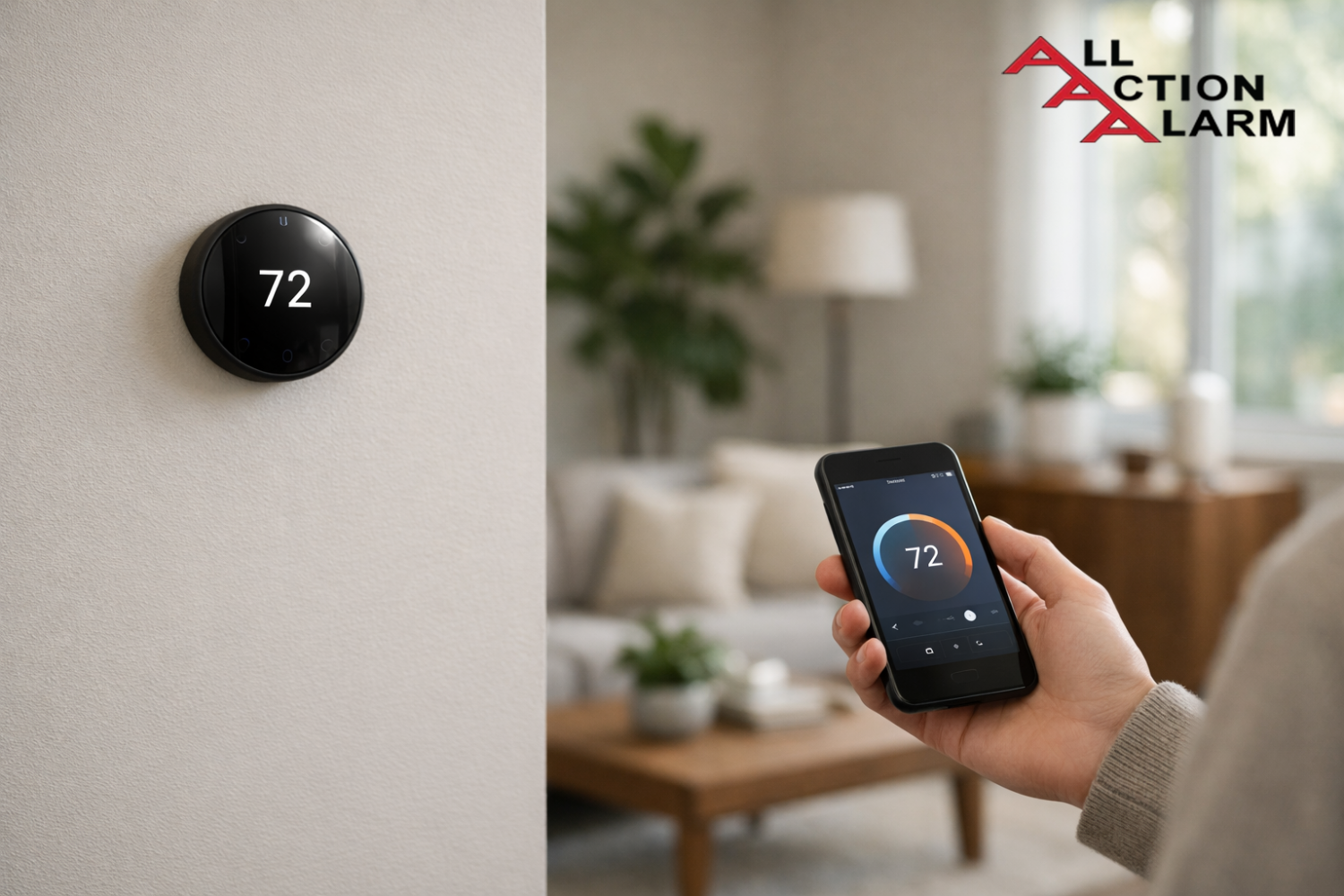
A remote home temperature monitoring system is exactly what it sounds like—but with a lot more intelligence packed under the hood than most people expect. At its core, it’s a system designed to track the temperature inside your home (or specific rooms) and allow you to access that data from anywhere in the world. Whether you’re on vacation, at work, or just lounging on the couch, you can check your home’s temperature in real time using your smartphone or computer.
But here’s where it gets interesting—these systems don’t just passively show you numbers. They actively help you maintain comfort, prevent damage, and save money. Imagine being alerted the moment your heating system fails in the middle of winter or when a room gets too hot for your pets. That’s the kind of proactive intelligence these systems bring into everyday life.
Most modern systems rely on smart sensors placed strategically around the house. These sensors communicate with a central hub or directly with cloud servers using Wi-Fi or cellular networks. The data is then processed and displayed through a mobile app or web interface, often with intuitive graphs and insights.
And let’s not ignore the emotional comfort factor. There’s something reassuring about knowing you can “check in” on your home at any time. It’s like having a virtual caretaker watching over your space 24/7. As homes become smarter and more connected, these monitoring systems are quickly moving from “nice-to-have” gadgets to essential home infrastructure.
How These Systems Work in Real Life
To really appreciate the value of a remote temperature monitoring system, it helps to picture how it operates in a real-world setting. Think of it as a network of tiny, vigilant observers placed throughout your home, each constantly measuring the temperature and reporting back.
Here’s a simple breakdown of what happens behind the scenes. A sensor detects the ambient temperature in a room—say your living room or basement. That data is then transmitted through a connectivity module, typically via Wi-Fi, Bluetooth, or cellular networks, to a centralized platform. From there, it’s processed and displayed on your device in real time.
Now, what makes this system powerful is not just the monitoring—it’s the automation and alerting capabilities. For example, you can set thresholds like “alert me if the temperature drops below 50°F.” If that happens, you instantly receive a push notification, email, or even an SMS alert. Some systems can even trigger actions automatically, like turning on a smart heater or adjusting your thermostat.
In more advanced setups, these systems integrate with broader smart home ecosystems like Alexa, Google Home, or Apple HomeKit. This means you can control your home environment using voice commands or automated routines. Imagine saying, “Set the house to cozy mode,” and having your temperature adjust accordingly.
Real-life use cases go beyond comfort. Homeowners use these systems to protect pipes from freezing, safeguard wine collections, monitor server rooms, or ensure pets are safe while they’re away. It’s not just technology—it’s peace of mind, delivered through a seamless blend of hardware and software.
Why Remote Temperature Monitoring Is Becoming Essential
Rising Demand for Smart Home Automation
Walk into any modern home today and you’ll notice something subtle but powerful—everything is getting smarter. Lights respond to voice commands, doorbells stream live video, and thermostats “learn” your habits. In this evolving landscape, a remote home temperature monitoring system fits naturally as a cornerstone of smart living. It’s no longer just about convenience; it’s about creating a home that actively works for you.
The surge in demand for smart home automation is driven by a mix of lifestyle changes and technological accessibility. People are busier, more mobile, and increasingly reliant on connected devices. According to industry reports, the global smart home market is expected to surpass $200 billion by 2028, with temperature control systems being one of the fastest-growing segments. Why? Because temperature affects everything—from comfort to health to energy usage.
Think about it: have you ever left home and wondered if you turned off the heat? Or worried about your home during extreme weather? These systems eliminate that uncertainty. They provide real-time visibility and control, making your home feel less like a static space and more like a responsive environment.
Another key factor is the rise of remote work. With more people working from home, maintaining the right indoor climate has become essential for productivity and well-being. A room that’s too hot or too cold can quietly sabotage your focus. Remote monitoring systems allow you to fine-tune your environment without even leaving your desk.
In a way, these systems are becoming the “nervous system” of smart homes—constantly sensing, reporting, and reacting. And as automation continues to evolve, the integration of temperature monitoring with other systems will only deepen, making it an indispensable part of everyday living.
Energy Efficiency and Cost Savings
Let’s talk about something everyone cares about—saving money. One of the most compelling reasons to invest in a remote temperature monitoring system is its ability to significantly reduce energy consumption and, by extension, your utility bills. It’s like having a financial advisor for your home’s energy use, quietly optimizing things behind the scenes.
Heating and cooling account for nearly 50% of a typical household’s energy consumption, according to the U.S. Department of Energy. That’s a massive chunk, and even small inefficiencies can add up quickly. Remote monitoring systems help you spot those inefficiencies in real time. For example, if your heating system is running longer than necessary or a room is consistently overheating, you’ll know immediately.
What makes these systems truly effective is their ability to combine data with action. Many platforms provide detailed analytics, showing temperature trends over time. You can see patterns—like which rooms heat up faster or when your HVAC system works hardest—and make informed adjustments. Some systems even offer AI-driven recommendations, suggesting optimal settings based on your habits.
There’s also the automation aspect. Instead of manually adjusting your thermostat throughout the day, you can set schedules or use geofencing features. Your home can automatically lower the heat when you leave and warm up just before you return. It’s efficient, effortless, and surprisingly impactful.
And let’s not forget the environmental angle. Reducing energy usage doesn’t just save money—it reduces your carbon footprint. In a world increasingly focused on sustainability, that’s a win-win.
In short, a remote temperature monitoring system doesn’t just pay for itself over time—it transforms how you think about energy, turning waste into opportunity and guesswork into precision.
Key Components of a Remote Temperature Monitoring System
Temperature Sensors
At the heart of every remote temperature monitoring system lies a deceptively simple device: the temperature sensor. These small, often unobtrusive gadgets are the eyes and ears of the system, constantly measuring the ambient conditions of your home. But don’t let their size fool you—modern sensors are incredibly sophisticated.
Most sensors use advanced technologies like thermistors or digital temperature chips to provide highly accurate readings, often within ±0.5°F. That level of precision matters more than you might think. A few degrees can make a significant difference in comfort, energy use, and even the safety of your home.
Placement is everything when it comes to sensors. Ideally, they should be installed in areas that represent the overall temperature of a space—away from direct sunlight, vents, or drafts. Some homeowners choose to place multiple sensors throughout the house, creating a more comprehensive temperature map. This is especially useful in larger homes where temperature can vary significantly from room to room.
Many modern sensors also come with additional features like humidity monitoring, which adds another layer of insight. After all, temperature alone doesn’t determine comfort—humidity plays a huge role too. A room at 75°F can feel completely different depending on moisture levels in the air.
Battery life is another critical factor. High-quality sensors can last anywhere from one to three years on a single set of batteries, making them low-maintenance and reliable. Some even offer rechargeable options or energy-saving modes.
In essence, sensors are the foundation of the entire system. Without accurate, consistent data, everything else—from alerts to automation—falls apart. Investing in high-quality sensors is like building a house on solid ground—it ensures everything else works as it should.
Connectivity Modules (Wi-Fi, Cellular, Bluetooth)
If sensors are the eyes and ears, then connectivity modules are the nervous system of a remote temperature monitoring system. They’re responsible for transmitting data from your home to your devices, and the type of connectivity you choose can significantly impact performance, reliability, and flexibility.
Wi-Fi is the most common option, and for good reason. It’s widely available, relatively fast, and easy to set up. Most home systems rely on Wi-Fi to send temperature data to cloud servers, where it can be accessed through apps. However, Wi-Fi does have its limitations. If your internet goes down, your system might lose its ability to send real-time updates.
That’s where cellular connectivity comes in. Systems that use cellular networks (like 4G or 5G) operate independently of your home internet. This makes them ideal for critical applications—think vacation homes, server rooms, or areas with unreliable Wi-Fi. While they often come with a subscription fee, the added reliability can be worth every penny.
Bluetooth, on the other hand, is typically used for short-range communication. It’s great for connecting sensors to a nearby hub or smartphone, but it’s not designed for long-distance data transmission. That said, it plays a crucial role in hybrid systems where multiple technologies work together.
Choosing the right connectivity option depends on your needs. If you want simplicity and cost-effectiveness, Wi-Fi might be enough. If you prioritize reliability and remote access under all conditions, cellular is the way to go.
Ultimately, connectivity is what turns raw data into actionable insights. Without it, your sensors would just be collecting information in isolation. With it, your home becomes a connected ecosystem that you can monitor and control from anywhere in the world.
Mobile Apps and Control Dashboards
A remote temperature monitoring system would feel incomplete without a user-friendly interface, and that’s exactly where mobile apps and control dashboards come into play. These platforms are the bridge between complex technology and everyday usability, translating streams of data into clear, actionable insights.
Most modern systems come with dedicated apps that are designed with simplicity in mind. Open the app, and you’re greeted with a clean dashboard showing real-time temperature readings across different rooms. But it doesn’t stop there. You can dive deeper into historical data, view trends, and even generate reports that help you understand how your home behaves over time.
One of the standout features of these apps is customizable alerts. You can set specific thresholds—like a sudden drop in temperature—and receive instant notifications. Some apps even allow multi-user access, so family members or property managers can stay informed as well.
Control is another major advantage. From the app, you can adjust thermostat settings, activate automation routines, or integrate with other smart devices. It’s like having a remote control for your entire home environment, right in your pocket.
User experience matters here. A clunky interface can turn even the most advanced system into a frustration. That’s why top brands invest heavily in intuitive design, ensuring that even non-tech-savvy users can navigate the system بسهولة.
In many ways, the app is where everything comes together. It’s where data becomes insight, and insight becomes action. Without a well-designed dashboard, even the best hardware would struggle to deliver its full potential.
Types of Remote Temperature Monitoring Systems
Wi-Fi-Based Systems
Wi-Fi-based systems are the go-to choice for most homeowners stepping into the world of remote temperature monitoring. They strike a balance between affordability, ease of use, and functionality, making them an ideal starting point for smart home enthusiasts. If you already have a stable internet connection at home, you’re halfway there.
These systems typically consist of wireless sensors that connect directly to your home Wi-Fi network. Once connected, they send temperature data to cloud servers, which you can access via a mobile app. The setup process is usually straightforward—scan a QR code, connect to Wi-Fi, and you’re up and running within minutes.
One of the biggest advantages of Wi-Fi-based systems is their real-time accessibility. Whether you’re across town or across the globe, you can check your home’s temperature instantly. This makes them perfect for everyday use, like monitoring your living space, nursery, or even a home office.
However, they do have limitations. Their performance depends heavily on the strength and reliability of your Wi-Fi network. Dead zones or outages can disrupt communication, which might be a concern in larger homes or rural areas.
Despite these drawbacks, Wi-Fi systems remain incredibly popular. They’re cost-effective, widely supported, and compatible with most smart home platforms. For many people, they offer the perfect blend of convenience and capability.
Cellular-Based Systems
If reliability is your top priority, cellular-based temperature monitoring systems are in a league of their own. Unlike Wi-Fi systems, they don’t rely on your home internet connection. Instead, they use cellular networks to transmit data, ensuring uninterrupted monitoring even during outages.
This makes them particularly valuable for high-stakes scenarios. Think of a vacation home in a remote area, a server room that must stay within strict temperature limits, or a property you rarely visit. In these cases, losing connectivity isn’t just inconvenient—it can be costly.
Cellular systems often come with built-in SIM cards and require a subscription plan. While this adds to the cost, it also provides a level of reliability that Wi-Fi simply can’t match. Some systems even offer backup batteries, ensuring they continue to operate during power outages.
Another advantage is their wide coverage. As long as there’s cellular signal, the system can function. This opens up possibilities for monitoring locations that would otherwise be difficult to manage.
Of course, there are trade-offs. Cellular systems tend to be more expensive upfront and require ongoing fees. But for those who need consistent, dependable monitoring, they’re often worth the investment.
Smart Thermostat Systems
Smart thermostat systems take remote temperature monitoring to the next level by combining observation with direct control. Instead of just telling you what’s happening, they actively manage your home’s climate based on your preferences and habits.
Devices like Nest, Ecobee, and Honeywell have transformed the way people interact with their HVAC systems. These thermostats learn your routines over time, automatically adjusting temperatures to maximize comfort and efficiency. It’s like having a personal assistant dedicated to your home’s climate.
One of their standout features is learning capability. For example, if you tend to lower the temperature at night, the system will start doing it for you automatically. Pair that with remote access via mobile apps, and you get a seamless, hands-off experience.
They also integrate beautifully with other smart home devices. You can create routines that link temperature changes with lighting, security, or even music. Imagine your home warming up, lights turning on, and your favorite playlist starting—all triggered by your arrival.
While they’re more expensive than basic monitoring systems, smart thermostats offer unmatched convenience and efficiency. They don’t just monitor—they optimize.
Real-Time Alerts and Notifications
One of the most powerful aspects of a remote home temperature monitoring system is its ability to keep you informed without requiring constant attention. Think of real-time alerts as your system’s way of tapping you on the shoulder when something needs your attention—only it does so instantly, no matter where you are in the world.
These alerts are typically customizable, allowing you to define specific temperature thresholds. For instance, you might set a rule to notify you if the temperature drops below 45°F in your basement to prevent frozen pipes. Or maybe you want an alert if your pet room exceeds 85°F during a hot summer day. The flexibility here is what makes these systems truly valuable—they adapt to your unique needs rather than forcing you into a one-size-fits-all setup.
Notifications can be delivered through multiple channels, including push notifications, emails, and SMS messages. Some advanced systems even allow automated phone calls for critical alerts. This multi-channel approach ensures that you never miss an important update, even if one method fails.
What’s interesting is how these alerts can evolve from simple warnings into part of a broader automation strategy. For example, instead of just notifying you about a temperature drop, the system could automatically trigger a smart heater or adjust your thermostat. It’s like having a built-in safety net that not only detects problems but also takes action.
From a practical standpoint, real-time alerts provide peace of mind. You’re no longer guessing or worrying about what’s happening at home—you know. And in situations where timing is everything, that knowledge can make all the difference between a minor adjustment and a major problem.
Data Logging and Analytics
If real-time alerts are about the present moment, then data logging and analytics are about understanding the bigger picture. A high-quality remote temperature monitoring system doesn’t just tell you what’s happening now—it shows you patterns, trends, and insights over time.
Imagine being able to look back over the past month and see exactly how your home’s temperature fluctuated. You might notice that certain rooms consistently run warmer in the afternoon or that your heating system works overtime during specific hours. These insights aren’t just interesting—they’re actionable.
Most systems store historical data in the cloud and present it through easy-to-read charts and graphs. You can zoom in on specific time periods, compare different rooms, and even export data for deeper analysis. For homeowners who like to stay informed, this level of detail is incredibly empowering.
There’s also a financial angle here. By analyzing your temperature data, you can identify inefficiencies and adjust your habits or system settings accordingly. For example, if you notice that your HVAC system is running longer than necessary, you can tweak your schedule or insulation to reduce energy consumption.
Some advanced platforms even incorporate AI-driven analytics, offering suggestions based on your data. They might recommend optimal temperature settings or alert you to unusual patterns that could indicate a malfunction.
In a way, data logging turns your home into a learning system. It’s constantly gathering information, refining its understanding, and helping you make smarter decisions. Over time, this leads to a more comfortable, efficient, and responsive living environment.
Integration with Smart Home Ecosystems
A remote temperature monitoring system becomes exponentially more powerful when it doesn’t operate in isolation. Integration with broader smart home ecosystems—like Amazon Alexa, Google Home, or Apple HomeKit—transforms it from a standalone tool into a central piece of your connected lifestyle.
Picture this: you walk into your home after a long day, and everything adjusts automatically. The temperature shifts to your preferred setting, lights turn on, and your favorite playlist starts playing. This isn’t futuristic—it’s happening right now in homes that embrace integration.
The key lies in interoperability. A good system should seamlessly connect with other smart devices, allowing you to create automated routines. For example, you can set a “Good Night” routine that lowers the temperature, locks the doors, and turns off the lights—all with a single command.
Voice control is another major advantage. Instead of opening an app, you can simply say, “Hey Google, what’s the temperature in the living room?” or “Alexa, set the thermostat to 72 degrees.” It’s quick, intuitive, and surprisingly satisfying.
Integration also enhances energy efficiency. Your system can coordinate with smart blinds, fans, or occupancy sensors to optimize temperature control. For instance, if no one is in a room, the system can reduce heating or cooling to save energy.
In essence, integration turns individual devices into a cohesive ecosystem. It’s the difference between having a collection of smart gadgets and having a truly intelligent home that anticipates and responds to your needs.
Installation and Setup Process
DIY Installation vs Professional Setup
When it comes to setting up a remote home temperature monitoring system, one of the first decisions you’ll face is whether to go the DIY route or hire a professional. Both options have their merits, and the right choice depends largely on your comfort level with technology and the complexity of your setup.
DIY installation has become increasingly popular, thanks to user-friendly designs and step-by-step guides. Many systems are essentially plug-and-play—mount the sensors, connect them to your Wi-Fi, and download the app. Within an hour, you can have a fully functioning system up and running. For tech-savvy homeowners, this approach is not only cost-effective but also satisfying. There’s something rewarding about setting up your own smart home system and seeing it come to life.
However, DIY isn’t always the best choice. Larger homes, multi-zone systems, or setups that require integration with existing HVAC infrastructure can quickly become complicated. That’s where professional installation comes in. Experts can ensure that sensors are placed optimally, connectivity is stable, and all components work seamlessly together.
There’s also the question of time. While DIY might save money upfront, it can take hours of troubleshooting if something goes wrong. A professional, on the other hand, can often complete the job quickly and efficiently, minimizing disruption.
Cost is another factor. DIY systems are generally cheaper, but professional installation adds an extra expense. That said, it can also prevent costly mistakes and ensure long-term reliability.
Ultimately, the decision comes down to your priorities. If you value convenience and precision, professional installation might be worth the investment. If you enjoy hands-on projects and want to save money, DIY could be the way to go. Either way, the end result—a smarter, more responsive home—is well worth the effort.
Benefits of Using a Remote Temperature Monitoring System
A remote home temperature monitoring system isn’t just another gadget—it’s a practical upgrade that touches multiple aspects of daily life. From comfort to cost savings to safety, the benefits extend far beyond what most people initially expect.
First and foremost, there’s peace of mind. Knowing that you can check your home’s temperature anytime, anywhere, eliminates a lot of uncertainty. Whether you’re traveling, at work, or simply away for the day, you’re always connected to your home environment. This is especially valuable during extreme weather conditions, where even a small issue can escalate quickly.
Then there’s the comfort factor. These systems allow you to maintain the perfect indoor climate without constant manual adjustments. You can wake up to a warm house in winter or come home to a cool environment in summer—all without lifting a finger. It’s like your home is always one step ahead, anticipating your needs.
Energy efficiency is another major advantage. By optimizing heating and cooling, these systems help reduce energy waste and lower utility bills. Over time, the savings can be significant, making the system a smart financial investment as well.
Safety is often overlooked but incredibly important. Temperature monitoring can prevent issues like frozen pipes, overheating appliances, or unsafe conditions for pets and plants. In some cases, it can even alert you to potential equipment failures before they become serious problems.
There’s also a level of control that traditional systems simply can’t match. You’re no longer tied to a single thermostat on the wall—you have full access and control from your smartphone. This flexibility makes it easier to adapt to changing schedules and preferences.
In short, a remote temperature monitoring system enhances your home in ways that are both subtle and profound. It’s not just about technology—it’s about creating a living space that’s more comfortable, efficient, and secure.
Common Challenges and How to Overcome Them
As impressive as remote temperature monitoring systems are, they’re not without their challenges. Like any technology, they come with a learning curve and occasional hiccups. The good news? Most of these issues are manageable with the right approach.
One of the most common challenges is connectivity problems. Wi-Fi-based systems, in particular, can struggle in areas with weak signals or interference. This can lead to delayed updates or lost data. The solution often lies in improving your network—adding range extenders, upgrading your router, or strategically placing sensors can make a big difference.
Another issue is battery life. While many sensors are designed to last for years, they still require occasional maintenance. Forgetting to replace batteries can result in gaps in monitoring. Setting reminders or choosing systems with low-battery alerts can help you stay on top of this.
Compatibility is another potential hurdle. Not all systems integrate seamlessly with every smart home platform. Before purchasing, it’s important to ensure that your chosen system works with your existing devices. A little research upfront can save a lot of frustration later.
There’s also the matter of data overload. With so much information available, it’s easy to feel overwhelmed. The key is to focus on what matters most—set clear thresholds, use alerts wisely, and avoid overcomplicating your setup.
Security is a concern for some users. Since these systems are connected to the internet, they can be vulnerable to cyber threats. Choosing reputable brands, enabling two-factor authentication, and keeping software updated are essential steps to protect your system.
Every technology has its quirks, but with a bit of planning and awareness, these challenges become minor bumps rather than major obstacles. And once everything is running smoothly, the benefits far outweigh the initial effort.
Best Remote Temperature Monitoring Systems in 2026
Choosing the right remote home temperature monitoring system can feel overwhelming, especially with so many options flooding the market in 2026. Each brand promises smarter features, better accuracy, and seamless integration—but not all systems are created equal. The key is to focus on what actually matters: reliability, ease of use, and long-term value.
Some of the top-performing systems this year include well-known names like Google Nest, Ecobee SmartThermostat, SensorPush, Govee, and Temp Stick. These brands have consistently delivered high-quality products that balance performance with user-friendly design. For example, SensorPush has gained popularity for its highly accurate sensors and robust mobile app, while Temp Stick stands out for its cellular-enabled alerts that work even without Wi-Fi.
To make things clearer, here’s a quick comparison of some leading systems:
| System | Connectivity | Key Feature | Best For | Price Range |
|---|---|---|---|---|
| Google Nest | Wi-Fi | AI learning thermostat | Smart homes | $$–$$$ |
| Ecobee | Wi-Fi | Room sensors + voice control | Multi-room homes | $$–$$$ |
| SensorPush | Bluetooth/Wi-Fi | High accuracy + data logging | Precision monitoring | $$ |
| Temp Stick | Wi-Fi/Cellular | Instant alerts anywhere | Remote properties | $$–$$$ |
| Govee | Wi-Fi/Bluetooth | Budget-friendly + app control | Beginners | $ |
What makes these systems stand out isn’t just their features—it’s how they fit into real life. For instance, if you’re someone who travels frequently, a system like Temp Stick with cellular backup can be a lifesaver. On the other hand, if you’re building a fully connected smart home, Nest or Ecobee might feel like a natural extension of your setup.
Another trend in 2026 is the emphasis on user experience. Companies are investing heavily in app design, making dashboards more intuitive and visually appealing. This might seem like a small detail, but it can significantly impact how often—and how effectively—you use your system.
Ultimately, the “best” system depends on your specific needs. It’s less about chasing the most advanced features and more about finding a solution that integrates seamlessly into your daily routine. When that happens, the technology fades into the background—and that’s exactly how it should be.
Future Trends in Smart Temperature Monitoring
The world of remote temperature monitoring systems is evolving rapidly, and what we’re seeing in 2026 is just the beginning. As technology advances, these systems are becoming smarter, more predictive, and increasingly integrated into the fabric of everyday life.
One of the most exciting trends is the rise of predictive intelligence. Instead of simply reacting to temperature changes, future systems will anticipate them. Using machine learning algorithms, they’ll analyze historical data, weather forecasts, and user behavior to make proactive adjustments. Imagine your home warming up before a cold front hits or cooling down just ahead of a heatwave—all without you lifting a finger.
Another major development is the integration of IoT (Internet of Things) on a broader scale. Temperature monitoring systems are no longer standalone devices; they’re becoming part of a larger ecosystem that includes lighting, security, appliances, and even health monitoring devices. This interconnectedness creates a more holistic approach to home management, where everything works together seamlessly.
We’re also seeing improvements in sensor technology. Future sensors are expected to be smaller, more accurate, and capable of measuring additional environmental factors like air quality, CO₂ levels, and even occupancy. This added layer of data will enable more nuanced control over indoor environments, enhancing both comfort and health.
Energy management is another area poised for innovation. With growing concerns about sustainability, systems are being designed to optimize energy usage more intelligently. Some experts predict that smart homes could reduce energy consumption by up to 30% through advanced monitoring and automation.
Voice and gesture control are also becoming more refined, making interactions with these systems feel more natural. Instead of navigating apps, you might simply speak or gesture to adjust your home’s climate.
Looking ahead, the line between technology and daily life will continue to blur. Remote temperature monitoring systems won’t just be tools—they’ll be invisible assistants, quietly ensuring that your home is always comfortable, efficient, and safe.
Conclusion
A remote home temperature monitoring system is no longer a luxury reserved for tech enthusiasts—it’s quickly becoming a practical necessity for modern living. As homes grow smarter and lifestyles become more dynamic, the ability to monitor and control your environment from anywhere offers a level of convenience and security that’s hard to ignore.
From understanding how these systems work to exploring their key components and features, it’s clear that they offer far more than simple temperature readings. They provide insight, automation, and peace of mind, all wrapped into one seamless experience. Whether you’re looking to save on energy costs, protect your home from extreme conditions, or simply enjoy a more comfortable living space, these systems deliver on multiple fronts.
The journey doesn’t stop here. With advancements in AI, IoT, and sensor technology, the future of temperature monitoring is set to become even more intuitive and powerful. Investing in a system today isn’t just about solving current problems—it’s about preparing your home for what’s next.
In the end, it’s about control. Not in a rigid, technical sense, but in a way that makes your life easier and more predictable. And in a world full of uncertainties, that’s something worth having.
FAQs
1. What is the main purpose of a remote temperature monitoring system?
The primary purpose of a remote temperature monitoring system is to allow users to track and manage their home’s temperature from anywhere. It provides real-time data, alerts, and control options, helping maintain comfort, improve energy efficiency, and prevent potential issues like freezing pipes or overheating.
2. Do remote temperature monitoring systems require Wi-Fi?
Not all systems require Wi-Fi. While many rely on Wi-Fi for connectivity, some use cellular networks or Bluetooth. Cellular systems are especially useful in areas with unreliable internet, offering consistent monitoring and alerts.
3. Are these systems difficult to install?
Most modern systems are designed for easy installation, often requiring no technical expertise. However, more complex setups or integrations with HVAC systems may benefit from professional installation.
4. Can I monitor multiple rooms with one system?
Yes, many systems support multiple sensors, allowing you to monitor different rooms simultaneously. This is particularly useful for larger homes or spaces with varying temperature needs.
5. How much can I save on energy bills using these systems?
Savings vary depending on usage, but studies suggest that smart temperature control systems can reduce energy consumption by up to 10–30%, leading to noticeable reductions in utility bills.
About All Action Alarm: Your Trusted Partner in Home Security Solutions
When it comes to protecting your home and loved ones, there’s no room for compromise. At All Action Alarm, we take home security to the next level by offering top-tier protection with cutting-edge technology and expert monitoring services that you can rely on. As a leader in the security industry, we’re committed to keeping homes and businesses safe, providing peace of mind 24/7.
Check out Home Automation Systems and Get Started with All Action Alarm Today!
Don’t wait for an emergency to take action. Protect your home and family with the best in the business. Call (631) 549-7225 to schedule your consultation, or visit allactionalarm.com to learn more about our services.
Your safety is our top priority.
SOURCEs
https://www.statista.com/topics/2430/smart-home/
https://www.marketsandmarkets.com/Market-Reports/smart-homes-and-home-automation-market-121.html
https://www.grandviewresearch.com/industry-analysis/smart-home-market
https://www.energy.gov/energysaver/heating-and-cooling
https://www.iea.org/reports/buildings
https://www.omega.com/en-us/resources/temperature-measurement
https://www.ibm.com/topics/internet-of-things
https://www.mckinsey.com/featured-insights/internet-of-things
https://www.gartner.com/en/information-technology/glossary/internet-of-things


 Ca.garcia.s, CC BY-SA 4.0
