Tag Archive for: Life Safety

Introduction to Smoke Alarm Systems

What Is a Smoke Alarm System?

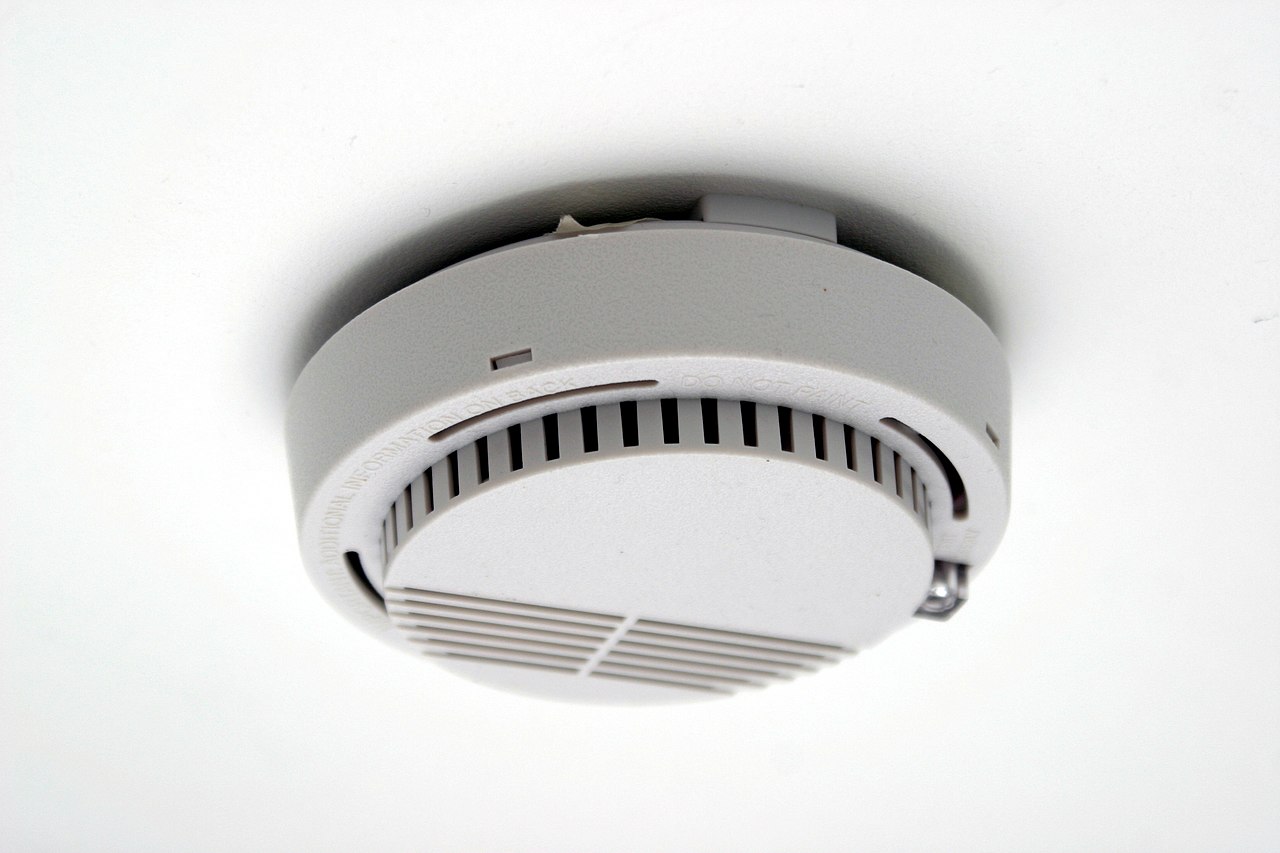
A smoke alarm system is more than just a gadget—it’s your first line of defense against one of the most dangerous threats to your home: fire. These systems are designed to detect smoke particles in the air and alert you with a loud alarm, giving you and your family the crucial time needed to escape safely. The simplicity of a smoke alarm’s purpose hides its profound significance. At the core, it’s a combination of sensors, circuits, and alert systems working in harmony to protect what matters most—life and property. Read more

Fire Alarm and Life Safety

Introduction to Fire and Life Safety Alarm Systems


Definition and Scope

The Fire and life safety alarm systems are specialized, integrated networks designed to detect, alert, and respond to emergencies such as fires, smoke, carbon monoxide, and hazardous events that threaten the safety of building occupants. These systems go far beyond a simple smoke detector; they are comprehensive safeguards engineered to protect both human life and valuable property across a range of environments—residential, commercial, and industrial. Read more

For students, the internet is a great tool for connecting with friends, researching, and doing homework. It can also be a dangerous place, filled with serious risks such as online predators, cyber bullies, and internet scams. Thankfully, with a little knowledge and precautions, you and your children can stay safe on the internet. If you have children or teens in the home and using the internet, the safety guidelines you put in place will positively impact their safety as well as their online safety. Here are some important internet safety tips.

Parents Lead the Way in Internet Safety

To keep kids safe online, you must be involved and take an active role in how the computer and other internet devices are used in your home and family. Consider these tips just for parents.

  • Keep computer and internet device usage in the open and in communal areas such as the living room.
  • Install computer safety programs that restrict usage and filter websites.
  • Set up alerts if usage goes beyond certain set boundaries.
  • Take all incidents of bullying seriously and report it to the authorities.
  • Always report suspicious activity or threats of self-harm.
  • Have regular talks with your kids and ask the hard questions about what they are doing on the internet.
  • Set and enforce internet safety rules.

Important Internet Safety Tips for Children and Teens

When used safely the internet provides a lot of value. The problem is, many kids just do not realize that what they do could put them in serious danger. Consider implementing these rules.

  • Do not give out any personal information about your name, birthdate, current or past locations, or the school you attend.
  • Do not use personal information such as names or birth date as part of your screen name.
  • Use online screen names that do not identify you as male or female.
  • Choose complex passwords and never share them.
  • Do not send or share photos of yourself, your family or friends without checking with your parents first.
  • Before sharing pictures, make sure there is no identifying information in the background.
  • No matter how close you become online with someone, never agree to meet in person.
  • Talk to your parents if an online friend suggests meeting in person.
  • If something about the person or conversation does not feel right, tell your parents immediately. Trust your instincts.
  • Tell your parents about inappropriate or threatening messages.
  • Never download anything without permission.
  • Never shop online without permission.
  • Do not engage in online fights.
  • Never send messages that could be considered mean-spirited or threatening.
  • Never use the internet to make anyone feel sad or scared or to encourage others to engage in bullying.
  • Report bullying to your parents immediately.

About Our Long Island Alarm Company

All Action Alarm is a family owned business that has been protecting Long Island and New York City homes and businesses since 1980.

When it’s National Fire Prevention Week, remember it’s time to “check the date.” The date of what? Smoke alarms in your home. If your smoke alarms are more than ten years old, then the National Fire Protection Association (NFPA) advises that it’s time to replace them.

Finding Out How Old Your Smoke Detectors Are

Most people have no idea how old their smoke detectors are, but it’s easy to find out. Simply unscrew each smoke detector from its mounting, and check the date on the back. That is the date of manufacture.

What to Do Next

If you discover you need new smoke detectors this year, you’ll probably find more choices than the last time you shopped for them. If you go to a big box store, you may even find some that send you a text alert if they are activated.

However, even these don’t necessarily provide the maximum protection for your home.

The smartest smoke detectors are those installed as part of a smart home security system by a certified alarm installation company. These are detectors that communicate with your security system if smoke is detected, sending a signal to the central station so that security operators can call you right away and get the help you need.

When Smoke Detectors Aren’t Expired

Even if your smoke detectors aren’t expired, you can still upgrade to smart smoke detection and integrate it with your home security system. Call All Action Alarm to get started; we will be happy to show you your options, long after National Fire Prevention Week is over. 

About All Action Alarm

We have experience in the electronic security industry and experts in home automation technologies. If you are looking for ways to simplify your life, give us a call.

“I’ve fallen, and I can’t get up.” We all know the slogan, but those TV ads were a long time ago. Medical alert devices are still popular, but today’s systems are far more powerful. While the user still wears a pendant around the neck, they and their families can rest assured there are other ways to summon help when it’s needed in today’s smart home wellness systems. For example, they can send alerts when:

Important activity is missed.

What if the user doesn’t move for an extended period of time? What if he or she experiences a major change in patterns: for example, stops eating or taking medication? With a smart home wellness system, that will trigger an alert to the monitoring center. The operators will be able to check in with the user, and also alert the people on the user’s authorized list of contacts.

Unusual activity is detected.

What if the user is wandering away from the home, well past the peripheries of their normal routine? What if he or she is leaving the house at odd hours of the day or night? These are unusual activities that should trigger a signal to the monitoring center – and with a smart home wellness system, it will. What happens next can be determined in the user’s customized action plan.

The user is immobile in bed.

If a user is in bed with no activity for an extended period of time, a bed sensor connected to the system will trigger an alert. The sensor is designed to detect if there is no moving in bed: turning over, stretching and other normal nighttime activity. That way, help can be sent to the home to check things out and intervene if necessary.

These are some of the most important distinctions between traditional medical pendants and smart home wellness systems. To speak with a professional dealer that can explain additional benefits, contact All Action Alarm.

About All Action Alarm

We have experience in the electronic security industry and experts in home automation technologies. If you are looking for ways to simplify your life, give us a call.

In the general sense, we are always glad we have smart home security and home automation, It makes  life safer, and a lot more convenient. But have you ever thought about all those individual incidents that could have turned out a lot differently if not for your home automation system? Here are just a few of those heart-stopping moments.

The Kids Forgot The Key But You Are An Hour Away From Home

Your son called to tell you he can’t get into the house because he forgot his key, but you are an hour away. He will probably be safe hanging out in the backyard or at a friend’s house, but you would sure rather know he is safe at home. Smart locks solved the problem twice. He can either use a code to get in, or you can unlock the door remotely.

Did I Turn Off The Curling Iron?

You think you turned off the curling iron, but can’t quite remember. You hope you did, but not knowing is causing you some serious anxiety. If you didn’t, it could mean your home is in cinders in a matter of minutes. Thankfully, you can check the status of that and other problematic appliances on your smart home app and turn it off right from your device.

Are the Kids Behaving

They are old enough to need a little independence, but still need some serious supervision. They can’t get into much trouble in the two hours you are away, right? With home automation you know if the door opens alerting you to a sudden unsanctioned influx of occupancy. Sensors can also tell you if they are into off-limits areas. Still not sure? You can also check the smart camera feed and see what is really going on.

You Didn’t Lock the Door

The morning was rushed and you completely forgot to lock the doors and arm the home security system. With the vast majority of burglars gaining entrance through an unlocked door, you know your home is at risk. It is just one more moment you were glad you had smart home automation because all you had to do was open the smart home app on your phone and lock the doors and arm your system from the palm of your hand.

Mom Ignored the Carbon Monoxide Alarm

Your mom was home when the carbon monoxide detector went off. Since the gas is both colorless and odorless, she thought it was a false alarm. Since you got the alert you could call her and tell her to get out, and since you have 24/7 monitoring, help was on the way to ensure her health.
Yes, having a connected home really makes a difference. All action Alarm is a family owned business that has been protecting Long Island Homes and Businesses since 1980, and we have heard so many stories about how having a connected home has made a difference in our clients  lives. We work hard so you can simply enjoy life.

If your holiday plans include travel, a hotel stay is likely in your future. The hotel room becomes your “home away from home” and crime is the last thing you want to worry about when vacationing. The following are some tips to keep in mind so that hotel crime will not ruin your vacation:

Hotel Arrival and Check-in

  • If you arrive in a bus or cab, stay with your luggage until it is brought into the hotel lobby.
  • If you are a woman traveling alone or with small children, take advantage of car valet service in order to avoid the parking lot.
  • Keep a close eye on your luggage, purse, etc when checking in. If the lobby is busy, thieves will often take advantage of the distractions to steal your things.
  • Ask the front desk personnel not to announce your room number. Rather, tell them to write it down or point to it. You never know who is listening.
  • Don’t leave your credit card lying on the check-in counter while you complete your registration.
  • Immediately upon check-in, make sure to grab a business card or other item with the hotel name and address on it. Make sure to take it with you when you leave so you know where to come back to. If you get lost, you have the address and phone number handy. There is nothing more frustrating than telling a cab driver to take you to the “Marriott” and they ask which one?? Or if you are in a country where you don’t speak the language, you can simply show a taxi driver the business card, and you’re on your way back to the hotel.

Room Selection

  • Maximize safety and security. Select a room located between the 4th and 6th floors. Avoid rooms above the sixth floor as that is the maximum height fire-department ladders can reach.
  • Whenever possible, do not accept a hotel room on the ground floor especially if it has doors and windows that open to the outside. Hotels with interior hallways tend to be generally safer. For security in motels, avoid ground floor rooms off the parking lot. If you can’t get a room on a higher level, take one facing the interior courtyard.

Have a Wonderful Safe Vacation!

About All Action Alarm

It’s been many Christmas holidays since we started in 1980 but one thing has not changed – and that is our commitment to the safety of our Long Island community. Contact us today to learn more about life safety solutions from All Action Alarm.

Decorative and fragranced candles may be an attractive addition to your home décor, but if used improperly, they can be a serious fire hazard.  Residential fires caused by candles have more than doubled over the past decade.  According to a pilot study of candle fires by the Consumer Product Safety Commission (CPSC), most candle fires were caused by combustibles being too close to the candle. The next most common cause of candle fires was due to the candle falling over or being knocked over by wind, doors, children or pets.

It is extremely important to use caution while burning a candle in your home.  The following are tips to help you avoid a potential candle disaster:

  • Candles are dangerous nightlights. Try to avoid using candles in bedrooms and other areas where people may fall asleep.
  • Supervise children. Store candles, matches and lighters up high and out of children’s sight and reach, preferably in a locked cabinet.
  • Always stay in the room where candles are being burned. It only takes seconds for a fire to start and minutes for your home to be fully engulfed in flames and dangerous gases.
  • Keep candles a minimum of 1 foot, in all directions, from flammable and combustible items such as curtains or bedding. Make sure curtains cannot be blown into the candle by wind.
  • Avoid burning candles for more than four hours at a time.
  • Do not move a glass container when the wax is liquid.
  • Use sturdy candle holders that won’t tip or burn.
  • Burn candles on sturdy uncluttered surfaces.
  • Trim candle wicks to one-quarter inch before lighting.
  • When lighting candles, keep your hair and clothing away from the flame.
  • Extinguish candles when they burn to within two inches of their holder.
  • Be careful not to splatter hot wax when extinguishing a candle.
  • Keep candles away from children or within reach of children.
  • Remember, when you go out, extinguish candles…even if you will only be gone for a short while.
  • Avoid using candles during power outages.  Have flashlights, batteries, and battery-powered lights on hand for emergency lighting.
  • Place candles away from windows, doorways or any place where drafts could affect the flame.

Remember, smoke detectors are life savers. The primary fire safety strategy for any home is to warn the occupants early. The best way to get the earliest warning of danger is by installing sufficient smoke detectors. Monitored smoke detectors are the best choice as they allow you and your family to escape while the Central Monitoring Station calls the fire department.

About All Action Alarm

For more information regarding monitored fire protection for your home, please contact us today. Please remember, if you have battery powered smoke detectors make sure to change the batteries every six months.

Have a wonderful SAFE day!

When you purchased those smoke detectors you so responsibly installed in your home, did you notice a similar-looking detector for carbon monoxide? If you have any products or equipment in or near your home that burn fuel, you might want to pick up a few carbon monoxide detectors too.

Unlike smoke or natural gas, carbon monoxide is colorless and odorless, but it is just as poisonous. In the U.S., between 150 and 200 people die annually from carbon monoxide (CO) poisoning produced by malfunctioning furnaces, ranges, water heaters, space heaters, fireplaces, charcoal- or gas-fired grills and engine-powered devices such as portable generators.

Even more lose their lives when CO accumulates after people leave their cars running in garages. And every year, thousands of people wind up in emergency rooms for treatment as a result of CO poisoning.

Prevention involves following these basic safety procedures.

  1. Install all appliances following the manufacturer’s instructions as well as local building codes – generally by qualified professionals.
  2. Unless you have the proper knowledge and skill as well as the appropriate tools, do not service fuel-burning appliances yourself.
  3. If your home has a fuel-burning heating system, have it serviced and inspected annually by professionals. Be sure to include chimneys and flues.
  4. Operating a portable generator or another gas-powered tool in or near an enclosed space can trap CO, leading to potentially lethal levels of the gas. Open doors and windows do not provide enough ventilation.
  5. Never use camping stoves designed for outdoor use only in an enclosed vehicle, tent or building. Some of these products may be designed to work in enclosed spaces, but they will specify that on the packaging and provide instructions for their safe use.
  6. Never burn charcoal in any kind of enclosed space such as a building, tent, or vehicle.
  7. Never leave a car running in a garage, even if you have the door open.
  8. Don’t use gas appliances such as ovens or clothes dryers as space heaters for your home.
  9. If you use a natural gas or propane oven, don’t cover the bottom with aluminum foil the way you can with an electric oven. You can block the oven’s combustion flow, producing CO.
  10. Re-check all gas appliance vents, heating vents or chimney flues after any home renovations. These can easily be blocked by forgotten tarps or debris.
  11. Install carbon monoxide alarms in hallways near every sleeping area and in living areas in the neighborhood of fuel-burning appliances. The recommendation is one alarm installed in the hallway outside every bedroom. Make sure the alarms aren’t blocked by furniture or window coverings. CO alarms should not be installed in kitchens or directly above any fuel-burning appliances. Test alarms regularly and replace following the schedule recommended by the manufacturer.

Signs and Symptoms of CO Poisoning

Initially, CO exposure has symptoms that resemble the flu without any fever. These include headaches, shortness of breath, nausea, dizziness, and fatigue. Further exposure can lead to vomiting, mental confusion and loss of muscular coordination. The end result is loss of consciousness and finally, death. The exposure levels and duration can affect the severity of the symptoms.

If you find yourself experiencing any of these symptoms unexpectedly, don’t wait for the CO alarm to go off to confirm it. Leave your home immediately and call the fire department on your cell or at a neighbor’s home. If they find evidence of high levels of CO, be sure that you and any family members who were exposed see a doctor immediately, letting him or her know about the CO exposure.

The Best Way To Avoid Carbon Monoxide Poisoning

Finally, have all of your appliances checked for problems before re-using them. If one or more CO alarms go off in your home, leave immediately with all family members and pets. Call 911 and do not re-enter your home until the emergency specialists have ensured you that it is safe. Even a few minutes can lead to loss of consciousness and death if the exposure is high enough. Do not use the problem equipment again until a qualified service technician checks and repairs it.

Contact Us Today.

Carbon monoxide poisoning is an easily avoidable risk, yet every year too many people succumb to it. Like wearing a seatbelt, you may never need a CO detector, but why take a chance? By following these few simple steps, AND installing a carbon monoxide detector by a qualified professional security company, you may become a lifesaver for the ones you care about most.

Although children look forward to tricks, treats, and ghoulish garb, Halloween can be fraught with fright for parents, with candy given to their kids by strangers and a legion of masked and costumed trick-or-treaters at the door. However, following a few safety tips can ensure safe fun for kids and candy-givers alike.

The activities below focus on Halloween, which is celebrated in the last week of October. The efforts throughout the month generate enthusiasm for crime prevention so it can grow stronger and become more widespread.

To ensure that trick-or-treaters, you, and your house stay safe, remember the following tips.

  • Clear your yard and sidewalk of any obstacles or decorations that may be hard to see in the dark, lest someone go bump in the night.
  • Keep your house well lighted, both inside and out; you wouldn’t want to miss any particularly good costumes, would you?
  • Ask your Neighborhood Watch or local citizen’s group to haunt (patrol) your community.
  • Report any suspicious or criminal activity to your police or sheriff’s department.

To make sure even the scariest costumes are safe, keep the following in mind when buying or designing one.

  • Try makeup instead of masks; it’s more comfortable and doesn’t obstruct vision the way masks can.
  • Check to ensure that costumes are flame-retardant so that young ones are safe around jack-o’-lanterns, candles, and other flames.
  • Keep costumes short to ensure that the only trip taken is the one around the neighborhood.
  • Look for brightly colored costumes, attach reflector strips to costumes and bags, and remind trick-or-treaters to carry glow sticks and flashlights.
  • If a costume involves any sort of fake weapon, make sure that it is made of a flexible material such as cardboard or foam. Or, avoid the whole problem of weapons by challenging your child to design a costume that is scary without one.

Keep in mind the next few tips to make sure your trick-or-treater’s night in the neighborhood will be safe and fun.

  • Older kids should trick-or-treat in groups; kids walking around alone are never as safe as those in groups, and especially not at night. Younger kids should be accompanied by a parent or trusted neighbor.
  • Review the route for trick-or-treating beforehand and set a time set when kids should be home. Also, have a plan if your child gets separated from his or her friends or from you.
  • Remind your children not to enter strange houses or cars.

After a successful and safe night around the neighborhood, remember that the treats still need scrutiny before anyone eats them.

  • Remind your children not to eat treats until they’ve come home. To help ensure this, feed them a meal or a substantial snack before they go out.
  • Check all treats at home in a well-lighted place. Be especially wary of anything that is not wrapped by the factory or that is no longer sealed.
  • Remind kids not to eat everything at once, lest they be green even without the makeup.

About All Action Alarm

All Action Alarm has been a family-owned business since 1980. We are experienced and maintain a high standard of continual knowledge and education in all areas of residential and commercial electronic systems.