
The Ultimate Guide to Business Alarm Security Systems

What Is a Business Alarm Security System?
Core Components of a Modern Alarm System
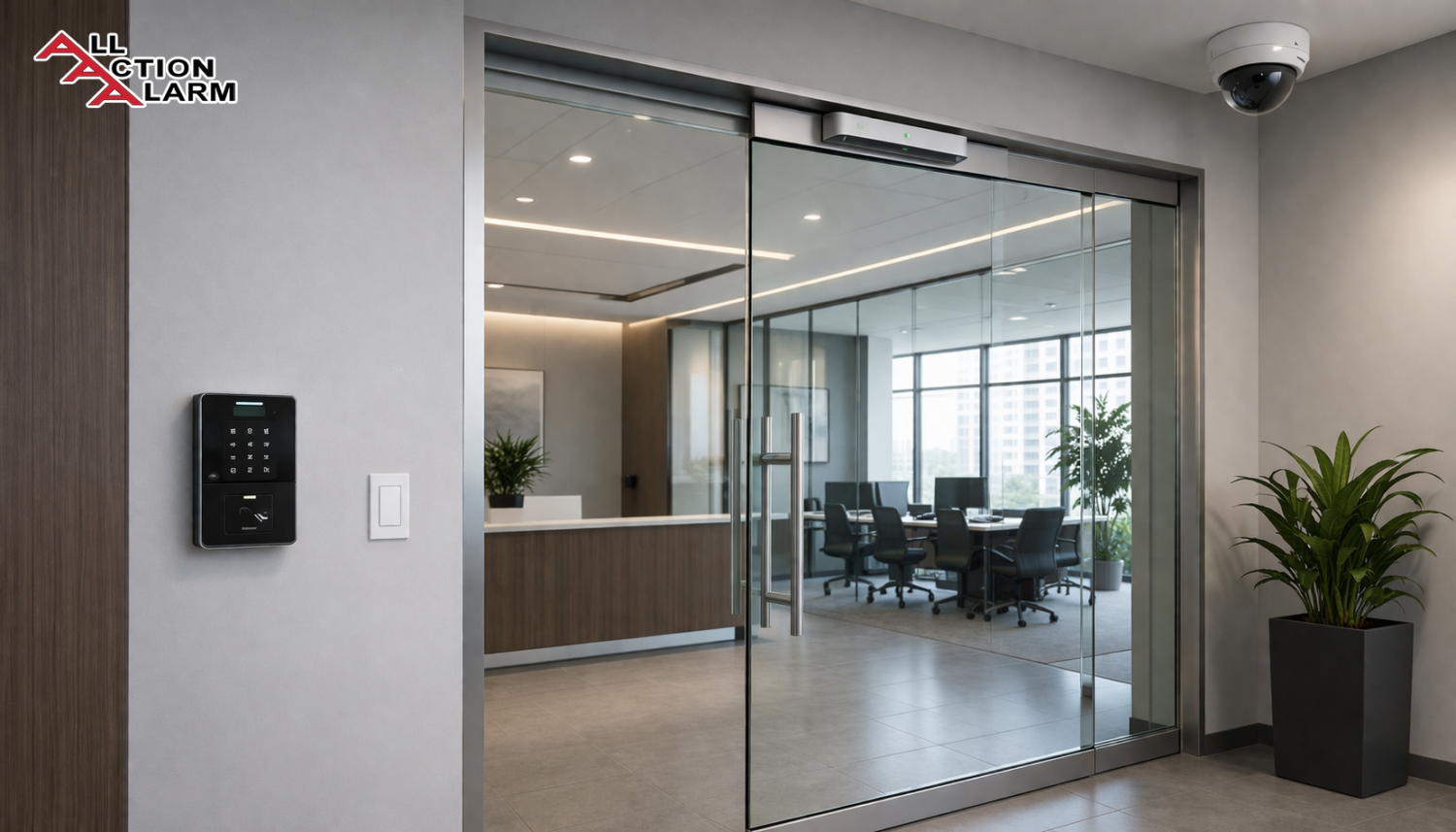
If you strip away the technical jargon, a business alarm security system is essentially your company’s silent guardian—always alert, always watching, and ready to react when something goes wrong. But what actually makes up this system? It’s not just a loud siren mounted on a wall. Modern systems are far more sophisticated, combining multiple components that work together like a well-trained security team.
At the heart of any system lies the control panel, often considered the brain. This is where all signals are processed, whether it’s a door opening after hours or unexpected motion in a restricted area. Then you have sensors—door/window sensors, motion detectors, glass break sensors—all strategically placed to detect unauthorized access. These sensors are like nerves in a body, constantly feeding information back to the control panel.
Another critical component is the alarm itself, which can be audible, silent, or both. Audible alarms scare off intruders and alert nearby individuals, while silent alarms discreetly notify monitoring centers or authorities. Many systems also include security cameras, offering real-time video surveillance and recorded evidence if something happens.
Modern setups often integrate smart technology, allowing business owners to monitor everything remotely through mobile apps. You can lock doors, check camera feeds, or even receive instant alerts while sitting miles away. Think of it like having your office in your pocket.
What makes these components powerful isn’t just their individual capabilities—it’s how seamlessly they work together. When one detects something unusual, the entire system responds instantly, creating a layered defense that’s incredibly difficult to bypass.
How These Systems Protect Businesses
Protection isn’t just about stopping theft—it’s about creating an environment where risks are minimized from every angle. A business alarm security system acts as both a deterrent and a response mechanism, and that dual role is what makes it so effective.
First, let’s talk about deterrence. Visible security cameras, alarm signage, and access control systems send a clear message: this business is not an easy target. Studies have shown that a majority of burglars actively avoid properties with visible security systems. In simple terms, criminals prefer convenience, and a protected business is anything but convenient.
Then comes detection. The moment an unauthorized entry occurs—whether it’s a forced door or unexpected motion—the system springs into action. Sensors trigger alerts, cameras begin recording, and alarms may sound immediately. This rapid response reduces the time an intruder has to cause damage or steal assets.
But the real strength lies in real-time alerts and monitoring. Many systems are connected to professional monitoring centers that operate 24/7. When an alarm is triggered, trained personnel assess the situation and contact emergency services if necessary. This ensures that even if you’re unavailable, your business isn’t left vulnerable.
There’s also an internal protection aspect. Alarm systems can monitor employee access, restrict entry to sensitive areas, and even log activity for accountability. This helps prevent internal theft and ensures compliance with security protocols.
Ultimately, these systems create a protective bubble around your business. They don’t just react to threats—they anticipate, deter, and minimize them, allowing you to focus on growth instead of constantly worrying about what could go wrong.
Why Every Business Needs an Alarm Security System
Rising Security Threats in Commercial Spaces
Walk into any commercial district today, and you’ll notice something interesting—security systems are everywhere. That’s not a coincidence. The reality is that security threats targeting businesses are increasing, and they’re becoming more sophisticated over time.
Small businesses, in particular, are often seen as easy targets. Why? Because many assume they lack proper security measures. According to recent industry data, nearly 30% of small businesses experience theft or vandalism each year, and a significant portion of those incidents could have been prevented with a proper alarm system in place.
It’s not just about break-ins anymore. Businesses now face a range of threats, including:
- Unauthorized access to restricted areas
- Employee theft
- Cyber-physical breaches (where digital and physical security overlap)
- Vandalism and property damage
What makes things more challenging is that these threats don’t follow a predictable pattern. They can happen during off-hours, in broad daylight, or even from within the organization. That unpredictability is exactly why relying on basic locks or occasional supervision simply isn’t enough.
A business alarm security system acts as a constant, unbiased observer. It doesn’t get tired, distracted, or complacent. Whether it’s 2 PM or 2 AM, the system is always active, always ready.
Another important factor is response time. Without a system in place, a break-in could go unnoticed for hours—sometimes even days. By then, the damage is already done. Alarm systems eliminate that delay by providing instant alerts and triggering immediate action.
In a world where risks are evolving rapidly, businesses can’t afford to be reactive. Security isn’t something you think about after an incident—it’s something you build into your operations from day one.
Financial and Legal Benefits of Protection
Security systems aren’t just an expense—they’re an investment that often pays for itself in ways many business owners don’t initially realize. Beyond preventing theft, a business alarm security system can have a direct impact on your financial stability and legal standing.
Start with insurance. Many insurance providers offer reduced premiums for businesses equipped with certified alarm systems. Why? Because the risk of loss is significantly lower. Over time, these savings can offset a large portion of your system’s cost.
Then there’s the cost of incidents themselves. A single break-in can result in thousands of dollars in losses—stolen inventory, damaged property, operational downtime, and even reputational harm. When you factor in all these elements, the price of not having a security system quickly outweighs the cost of installing one.
Legal compliance is another angle that’s often overlooked. Certain industries—like finance, healthcare, and retail—are required to meet specific security standards. Failing to do so can result in fines, legal action, or loss of licenses. A robust alarm system helps ensure you stay compliant with these regulations.
There’s also the matter of liability. If an incident occurs and it’s found that reasonable security measures were not in place, businesses can be held accountable. Having a proper system demonstrates due diligence, which can be crucial in legal situations.
On top of all that, there’s peace of mind—a benefit that’s hard to quantify but incredibly valuable. Knowing your business is protected allows you to focus on growth, strategy, and customer experience instead of constantly worrying about potential risks.
Security isn’t just about protection—it’s about creating a stable, trustworthy foundation for your business to thrive.
Types of Business Alarm Security Systems
Wired vs. Wireless Systems
When it comes to choosing a business alarm security system, one of the first decisions you’ll face is whether to go wired or wireless. At first glance, it might seem like a purely technical choice, but in reality, it has a direct impact on installation, reliability, scalability, and even long-term costs. So which one makes more sense for your business? The answer depends on your specific needs, but understanding both options is essential before making a commitment.
Wired systems are the traditional choice and have been around for decades. They connect all components—sensors, cameras, alarms—through physical cables. One major advantage here is reliability. Because they don’t rely on wireless signals, they’re less prone to interference or signal drops. This makes them particularly appealing for large facilities like warehouses or manufacturing plants where consistent performance is critical. However, installation can be complex and invasive, often requiring drilling, rewiring, and professional setup. If your building is already constructed, retrofitting a wired system can become costly and time-consuming.
On the other hand, wireless systems have surged in popularity, especially among small and medium-sized businesses. These systems use Wi-Fi or cellular networks to communicate between devices. The biggest advantage? Flexibility. You can install them quickly, move components easily, and scale the system as your business grows. They’re ideal for offices, retail stores, and startups that may relocate or expand in the future. However, they do depend on stable connectivity, and in rare cases, signal interference can be an issue.
Think of it this way: wired systems are like a landline—stable and dependable—while wireless systems are like smartphones—flexible and adaptable. The best choice comes down to your business environment, budget, and how much you value convenience versus permanence.
Monitored vs. Unmonitored Systems
Another critical distinction in business alarm security systems is whether the system is monitored or unmonitored. This decision goes beyond technology—it directly affects how your business responds to threats and how quickly help arrives when something goes wrong.
A monitored system is connected to a professional monitoring center that operates 24/7. When an alarm is triggered, the system sends an alert to trained personnel who immediately assess the situation. If necessary, they contact emergency services such as the police or fire department. This setup ensures that even if you’re unavailable—maybe you’re asleep, traveling, or simply unable to respond—someone is always watching over your business. It’s like having a dedicated security team without the cost of hiring one.
The downside? Monthly fees. Monitored systems typically require a subscription, which can range from moderate to premium depending on the level of service. But for many businesses, the added layer of protection is well worth the investment, especially in high-risk areas or industries dealing with valuable assets.
In contrast, unmonitored systems rely entirely on you or your staff to respond to alerts. When the alarm goes off, it might send a notification to your phone or trigger a loud siren, but that’s where its responsibility ends. If you miss the alert or can’t respond quickly, the system won’t escalate the situation.
While unmonitored systems are more affordable and have no ongoing fees, they come with limitations. They’re best suited for low-risk environments or businesses with staff available at all times.
In practical terms, monitored systems offer peace of mind and rapid response, while unmonitored systems provide basic protection at a lower cost. The real question is: how much risk are you willing to handle on your own?
Key Features to Look for in a Business Alarm System
Motion Detection and Sensors
At the core of every effective business alarm security system lies its ability to detect unusual activity, and that’s where motion detection and sensors come into play. These components act as the system’s eyes and ears, constantly scanning the environment for anything out of the ordinary. But not all sensors are created equal, and understanding their capabilities can make a huge difference in how well your system performs.
Motion detectors are designed to identify movement within a specific area. Modern versions use technologies like infrared sensing, microwave detection, or a combination of both to minimize false alarms. For example, advanced sensors can distinguish between a human intruder and a harmless movement like a curtain swaying or an HVAC system kicking in. This level of precision is crucial because frequent false alarms can lead to complacency—or worse, fines from local authorities.
Then you have entry sensors, which are installed on doors and windows. These sensors trigger an alert when an entry point is opened unexpectedly. They’re simple but incredibly effective, forming the first line of defense against unauthorized access. Add to that glass break sensors, which detect the specific sound frequency of breaking glass, and you’ve got a system that can identify even subtle intrusion attempts.
Some systems also include environmental sensors, which monitor conditions like smoke, heat, or even water leaks. While these might not seem directly related to security, they play a vital role in protecting your business from other types of damage.
The key here is coverage. A well-designed system doesn’t rely on a single type of sensor—it combines multiple layers to ensure no blind spots. It’s like building a safety net with overlapping threads; even if one misses something, another will catch it.
Smart Integration and Remote Access
In today’s connected world, a business alarm security system isn’t just about alarms—it’s about control, convenience, and real-time awareness. That’s where smart integration and remote access come into the picture, transforming traditional security setups into intelligent ecosystems.
Imagine being able to check your office security cameras while sitting at home or receiving an instant alert when someone enters your store after hours. That’s the power of remote access. Through mobile apps or web dashboards, you can monitor your entire system from anywhere in the world. This isn’t just convenient—it’s a game-changer for business owners who can’t always be on-site.
Smart integration takes things a step further by connecting your alarm system with other devices and platforms. For instance, your system can integrate with smart locks, lighting, and even HVAC systems. If an alarm is triggered, the lights can automatically turn on, cameras can start recording, and doors can lock down—all without manual intervention.
There’s also the benefit of automation. You can set schedules for arming and disarming the system, receive customized alerts, and even generate reports on system activity. This level of control helps streamline operations and reduces the chances of human error.
According to industry insights, businesses that adopt smart security systems report higher efficiency and faster response times to incidents. It’s not just about security anymore—it’s about creating a smarter, more responsive workplace.
Think of it as upgrading from a basic lock-and-key setup to a fully connected command center. You’re not just protecting your business—you’re managing it with precision and insight.
How Business Alarm Systems Work
Detection to Response Process
Understanding how a business alarm security system works can make you appreciate just how sophisticated these systems have become. It’s not just about an alarm going off—it’s a carefully orchestrated sequence of events designed to detect, verify, and respond to threats in real time.
The process begins with detection. Sensors placed throughout your business continuously monitor for unusual activity. This could be a door opening after hours, unexpected motion in a restricted area, or even the sound of breaking glass. The moment a sensor detects something, it sends a signal to the control panel.
Next comes analysis. The control panel evaluates the signal to determine whether it’s a genuine threat or a false alarm. Modern systems are incredibly smart, using algorithms and predefined rules to make this distinction. For example, if a motion sensor is triggered during business hours, the system might ignore it. But the same activity at midnight? That’s a different story.
Once a threat is confirmed, the system initiates a response. This can include sounding an alarm, sending notifications to your phone, activating cameras, and alerting a monitoring center. All of this happens within seconds, ensuring minimal delay between detection and action.
What’s fascinating is how seamless this entire process is. There’s no lag, no confusion—just a rapid, coordinated response that minimizes risk and damage.
Integration with Emergency Services
One of the most powerful aspects of a business alarm security system is its ability to connect directly with emergency services. This isn’t just a convenience—it’s a critical feature that can significantly reduce response times during an incident.
In monitored systems, once an alarm is triggered and verified, the monitoring center immediately contacts the appropriate authorities. This could be the police, fire department, or medical services, depending on the nature of the alert. Because these centers operate 24/7, there’s no gap in coverage.
Speed is everything in emergencies. Studies suggest that faster response times can drastically reduce property damage and increase the chances of catching intruders. By automating the alert process, alarm systems eliminate the delays that often occur when relying on manual reporting.
There’s also a level of accuracy involved. Monitoring centers provide detailed information to emergency responders, helping them assess the situation before arriving on-site. This improves efficiency and ensures the right resources are deployed.
In essence, your alarm system becomes a direct line to emergency services—a bridge that connects detection with action. It’s not just about knowing something went wrong; it’s about ensuring help is already on the way.
Cost of Business Alarm Security Systems
Initial Installation Costs
When business owners start exploring a business alarm security system, one of the first concerns that naturally comes up is cost. And not just the monthly fees—you’re probably wondering what kind of upfront investment you’re looking at. The truth is, installation costs can vary widely depending on several factors, and understanding those variables helps you avoid surprises.
The initial installation cost typically includes equipment, setup, and configuration. For a small business, a basic system with a control panel, a few sensors, and maybe a couple of cameras might cost anywhere between $500 to $2,000. However, for larger commercial spaces like warehouses or multi-floor offices, costs can climb to $5,000 or more, especially if you’re opting for advanced features like access control systems or high-definition surveillance.
One of the biggest cost drivers is whether you choose a wired or wireless system. Wired systems often require professional installation, which includes labor for running cables through walls and ceilings. This can significantly increase costs, especially in older buildings where retrofitting is more complex. Wireless systems, on the other hand, are generally easier and faster to install, which can reduce labor expenses.
Another factor is customization. Every business is different—a retail store has different security needs compared to a manufacturing facility or a corporate office. The more tailored your system is, the higher the cost, but also the more effective it becomes. It’s a bit like buying a suit: off-the-rack is cheaper, but a custom fit offers better results.
It’s also worth considering the long-term perspective. While the upfront cost might seem significant, it’s important to weigh it against potential losses from theft, vandalism, or downtime. In many cases, the system pays for itself by preventing just one major incident.
Monthly Monitoring Fees
Beyond installation, there’s the ongoing cost of keeping your business alarm security system active and responsive. This usually comes in the form of monthly monitoring fees, especially if you opt for a professionally monitored system.
On average, monitoring services can range from $20 to $100 per month, depending on the level of service and features included. Basic plans might cover standard intrusion detection and emergency alerts, while more advanced packages include video monitoring, smart integrations, and priority response services.
So what are you actually paying for? Essentially, you’re hiring a team of professionals who are watching over your business 24/7. When an alarm is triggered, they assess the situation and take immediate action—whether that means contacting you, dispatching authorities, or both. This constant oversight is what transforms a simple alarm into a comprehensive security solution.
There are also tiered pricing models. Some providers offer scalable plans, allowing you to start with basic coverage and upgrade as your business grows. This flexibility is particularly useful for startups or small businesses that want to manage costs while still maintaining a solid level of protection.
Of course, if you choose an unmonitored system, you can avoid these monthly fees altogether. But as mentioned earlier, that shifts the responsibility entirely onto you. Missing a critical alert could end up costing far more than what you save on monitoring.
In the bigger picture, monitoring fees aren’t just an expense—they’re an investment in peace of mind and rapid response. And for many business owners, that’s a trade-off worth making.
Choosing the Right System for Your Business
Factors Based on Business Size and Industry
Choosing the right business alarm security system isn’t a one-size-fits-all decision. What works perfectly for a small retail shop might be completely inadequate for a large warehouse or a healthcare facility. The key is to align your security system with your business’s specific size, layout, and industry requirements.
Start with business size. A small office or boutique might only need a handful of sensors, a control panel, and a couple of cameras. But as your space grows, so does the complexity of your security needs. Larger businesses often require multiple access points, extensive camera coverage, and advanced monitoring capabilities. It’s not just about covering more ground—it’s about ensuring there are no weak spots.
Then there’s the industry factor. Different industries face different risks. For example:
- Retail businesses are more prone to theft and shoplifting
- Warehouses deal with inventory protection and unauthorized access
- Offices may focus more on data security and employee access control
- Healthcare facilities must comply with strict security and privacy regulations
Each of these scenarios demands a tailored approach. A retail store might prioritize visible cameras and motion sensors, while a corporate office might invest heavily in access control systems and internal monitoring.
Another important consideration is operating hours. Businesses that operate 24/7 have different security needs compared to those that close at night. For round-the-clock operations, internal monitoring becomes just as important as external protection.
Ultimately, the goal is to create a system that fits your business like a glove—not too basic, not overly complex, but just right for your specific risks and operations.
Customization and Scalability Options
One of the smartest moves you can make when investing in a business alarm security system is choosing a solution that can grow with you. Businesses evolve—locations expand, staff increases, operations change—and your security system should be able to keep up without requiring a complete overhaul.
That’s where customization and scalability come into play. Modern systems are designed to be modular, meaning you can start with a basic setup and add components as needed. Need more cameras? Add them. Expanding to a new floor? Extend your system. It’s like building with blocks—you can keep adding without tearing everything down.
Customization allows you to tailor the system to your exact needs. You can choose specific types of sensors, define access levels for employees, and set up alerts based on your business operations. This level of control ensures that your system isn’t just functional—it’s optimized.
Scalability also has a financial advantage. Instead of investing heavily upfront in a system you might not fully use, you can start small and expand over time. This makes it easier to manage budgets while still maintaining strong security.
Think of it as future-proofing your investment. A scalable system ensures that as your business grows, your security doesn’t fall behind—it evolves alongside you.
Installation Process Explained
Professional vs DIY Installation
When it comes to setting up a business alarm security system, one major decision is whether to go with professional installation or take the do-it-yourself (DIY) route. Each option has its pros and cons, and the right choice depends on your budget, technical expertise, and the complexity of your system.
Professional installation offers expertise and precision. Trained technicians assess your business layout, identify vulnerable areas, and ensure that every component is installed correctly. This is particularly important for larger or more complex systems where placement and configuration can significantly impact performance. While this option comes with higher upfront costs, it reduces the risk of errors and ensures your system operates at its full potential.
On the other hand, DIY installation is becoming increasingly popular, especially with wireless systems. These setups are designed to be user-friendly, with step-by-step instructions and minimal tools required. For small businesses with straightforward security needs, DIY can be a cost-effective and convenient option.
However, there’s a trade-off. Without professional guidance, you might miss critical areas or improperly configure the system. It’s a bit like assembling furniture—sometimes it works perfectly, and sometimes you realize too late that something isn’t quite right.
The decision ultimately comes down to complexity and confidence. If your system is simple and you’re comfortable with technology, DIY might work. But for comprehensive protection, professional installation often provides better results.
Timeframe and Setup Expectations
So how long does it actually take to get a business alarm security system up and running? The answer depends on the size and complexity of your setup, but having a general idea can help you plan accordingly.
For small businesses with wireless systems, installation can often be completed in just a few hours. These systems are designed for quick deployment, allowing you to get started with minimal disruption to your operations.
For larger or wired systems, the process can take anywhere from one to several days. This includes running cables, mounting equipment, configuring the system, and testing everything to ensure it works flawlessly. While this might seem time-consuming, it’s a necessary step to ensure reliability and effectiveness.
During installation, you can expect:
- Site assessment and planning
- Equipment setup and placement
- System configuration and testing
- User training and walkthrough
The final step—training—is often overlooked but incredibly important. Understanding how to use your system ensures you can respond quickly and effectively when needed.
In the end, installation isn’t just about setting up equipment—it’s about building a foundation for your business’s security.
Common Mistakes to Avoid
Underestimating Coverage Needs
One of the most common—and costly—mistakes businesses make when implementing a business alarm security system is underestimating how much coverage they actually need. It’s easy to assume that installing a few cameras near entrances or placing a couple of motion sensors will do the trick. But security doesn’t work well in fragments. It’s not about covering “important spots”—it’s about eliminating blind spots entirely.
Think about your business layout for a moment. Are there back doors, storage rooms, hallways, or loading docks that don’t get much attention? These are exactly the areas intruders tend to exploit. Criminals rarely walk through the front door—they look for weak points, and incomplete coverage practically invites them in.
Another overlooked factor is vertical and internal coverage. Many businesses focus only on perimeter security, forgetting that internal threats exist too. Employee-only areas, inventory storage zones, and offices containing sensitive information should all be monitored. Without internal coverage, you’re essentially locking the front door while leaving the back door wide open.
There’s also the issue of camera angles and sensor placement. Even if you have enough devices, poor positioning can render them ineffective. A camera pointed too high or a sensor placed in a low-traffic corner won’t provide the protection you expect. This is where professional planning or a detailed assessment becomes invaluable.
A good rule of thumb? Walk through your space as if you were trying to break in. Where would you go? What would you avoid? This perspective often reveals gaps you might not notice otherwise.
Security is only as strong as its weakest link. And in many cases, that weak link isn’t the technology—it’s the planning behind it.
Ignoring System Maintenance
Installing a business alarm security system isn’t a one-and-done task. Another major mistake businesses make is treating their system like it will run perfectly forever without any upkeep. In reality, even the most advanced systems require regular maintenance to stay effective.
Over time, components can wear out, batteries can die, and software can become outdated. A sensor that worked flawlessly six months ago might start malfunctioning today. And the worst part? You often won’t notice until it’s too late—like when an alarm fails to trigger during an actual break-in.
Regular system checks are essential. This includes testing sensors, verifying camera functionality, updating software, and ensuring that communication channels (like Wi-Fi or cellular connections) are stable. Many businesses skip this step simply because everything “seems fine.” But security isn’t something you want to leave to assumptions.
There’s also the issue of false alarms. Poorly maintained systems are more prone to triggering unnecessary alerts, which can lead to fines or cause employees to ignore warnings altogether. Over time, this creates a dangerous environment where real threats might not be taken seriously.
Scheduling routine maintenance—whether monthly, quarterly, or annually—can make a huge difference. Some monitoring services even include maintenance as part of their package, ensuring your system stays in top condition.
Think of your alarm system like a car. You wouldn’t drive it for years without servicing it, right? The same logic applies here. A little upkeep goes a long way in ensuring your system is ready when you need it most.
Future Trends in Business Security Systems
AI and Smart Surveillance
The world of business alarm security systems is evolving rapidly, and one of the most exciting developments is the integration of artificial intelligence (AI). What used to be a reactive system—one that simply responds to triggers—is now becoming proactive, capable of analyzing behavior and predicting potential threats.
AI-powered surveillance systems can do far more than just record footage. They can identify unusual patterns, recognize faces, and even differentiate between normal and suspicious behavior. For example, if someone lingers near an entrance after hours or repeatedly attempts to access restricted areas, the system can flag this activity before a crime even occurs.
This level of intelligence significantly reduces false alarms. Traditional systems might trigger alerts for any movement, but AI can filter out irrelevant activity—like a stray animal or shifting shadows—and focus only on genuine threats. This not only improves accuracy but also saves time and resources.
There’s also the rise of facial recognition and biometric access control, which adds another layer of security. Instead of relying on keys or access cards that can be lost or stolen, businesses can use unique biological identifiers to control entry. It’s like having a lock that only responds to authorized individuals—no duplicates, no shortcuts.
According to recent industry reports, the global market for AI in security is expected to grow significantly in the coming years, driven by the demand for smarter, more efficient solutions. Businesses are no longer satisfied with basic protection—they want systems that think, learn, and adapt.
In a way, AI is turning security systems into digital security guards—ones that never sleep, never get distracted, and continuously improve over time.
Cloud-Based Security Solutions
Another major shift in business alarm security systems is the move toward cloud-based solutions. Instead of relying on local servers or on-site storage, modern systems are leveraging the cloud to store data, manage operations, and provide remote access.
So what does this mean for your business? For starters, it offers unmatched accessibility. You can monitor your system, review footage, and manage settings from anywhere in the world using a smartphone or computer. Whether you’re traveling, working remotely, or managing multiple locations, the cloud keeps you connected.
Cloud systems also provide enhanced data security and backup. Traditional systems can lose data if hardware is damaged or stolen, but cloud storage ensures your information is secure and accessible even in worst-case scenarios. This is especially important for businesses that rely on recorded footage for legal or compliance purposes.
Another advantage is automatic updates. With cloud-based systems, software updates happen seamlessly in the background, ensuring your system always has the latest features and security patches. There’s no need for manual upgrades or downtime.
Scalability is another big win. As your business grows, you can easily expand your system without worrying about hardware limitations. Need more storage or additional cameras? The cloud can handle it without requiring major infrastructure changes.
In essence, cloud-based security transforms your alarm system into a flexible, future-ready solution. It’s not just about protecting your business today—it’s about ensuring you’re prepared for whatever comes next.
Conclusion
A business alarm security system is no longer a luxury—it’s a necessity in a world where risks are constantly evolving. From protecting physical assets to ensuring employee safety and maintaining operational continuity, these systems play a critical role in modern business environments. The right system doesn’t just react to threats; it anticipates them, deters them, and minimizes their impact when they occur.
Choosing the right setup requires careful consideration of your business size, industry, budget, and future growth plans. Whether you opt for a wired or wireless system, monitored or unmonitored, the goal remains the same: creating a secure environment where your business can thrive without constant worry.
As technology continues to advance, features like AI-driven surveillance and cloud-based management are redefining what security looks like. Businesses that embrace these innovations aren’t just staying protected—they’re staying ahead.
At the end of the day, security is about more than just equipment. It’s about confidence, stability, and the freedom to focus on what truly matters—growing your business.
FAQs
1. What is the best type of alarm system for small businesses?
The best system for small businesses is typically a wireless, monitored alarm system with basic sensors and cameras. It offers flexibility, affordability, and real-time monitoring without complex installation.
2. How much does a business alarm security system cost monthly?
Monthly monitoring fees usually range between $20 and $100, depending on features like video surveillance, smart integration, and emergency response services.
3. Can I install a business alarm system myself?
Yes, many modern systems support DIY installation, especially wireless ones. However, professional installation is recommended for larger or more complex setups.
4. Do alarm systems reduce insurance costs for businesses?
Yes, many insurance providers offer discounted premiums for businesses with certified security systems, as they reduce the risk of theft and damage.
5. How often should I maintain my alarm system?
It’s recommended to perform regular checks every few months and schedule professional maintenance at least once a year to ensure optimal performance.
About All Action Alarm: Your Trusted Partner in Commercial Security Solutions
AllActionAlarm.com is Long Island’s top choice for state-of-the-art commercial security systems, providing unmatched protection and peace of mind for businesses of all sizes. With years of expertise, we specialize in creating customized security solutions, combining cutting-edge technology with seamless installation and 24/7 monitoring. Whether it’s high-definition surveillance, advanced access control, or intrusion detection, we deliver systems designed to safeguard your assets and personnel.
Our team of certified professionals is committed to offering the best security systems in Long Island, New York. We understand the unique challenges businesses face and work closely with you to develop a comprehensive security plan that fits your needs. We don’t just sell equipment; we partner with you for the long haul, ensuring your business remains protected against any threat.
Don’t leave your business’s safety to chance—contact us at (631) 549-7225 today for a free consultation and experience the AllActionAlarm difference!
For more info you may want to read this article about Commercial Alarm System.


 Ca.garcia.s, CC BY-SA 4.0
