
Fingerprint Access Control System: The Future of Secure Authentication
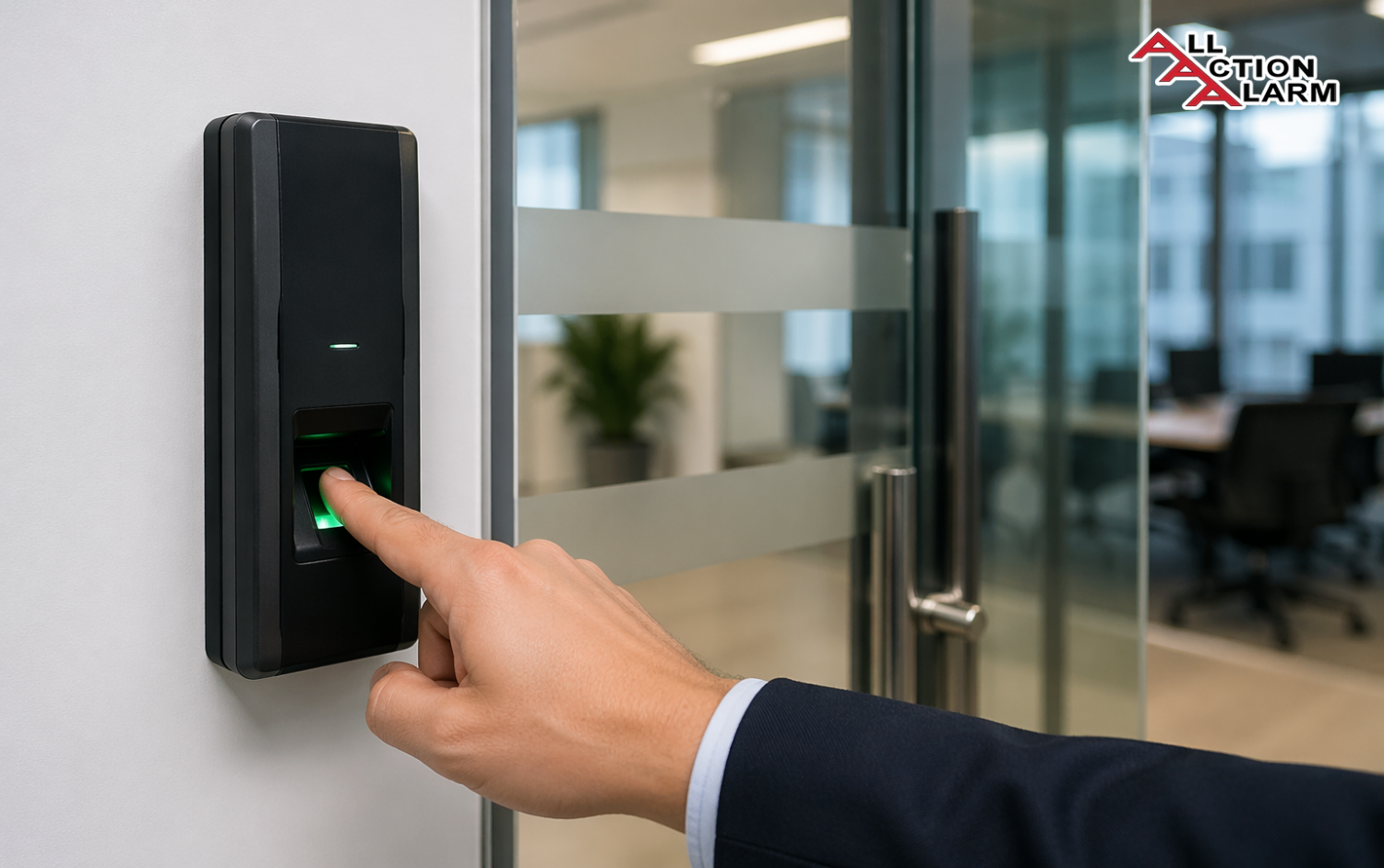

Understanding Fingerprint Access Control Systems
What Is a Fingerprint Access Control System?
A fingerprint access control system is one of those technologies that quietly slipped into everyday life and then suddenly became indispensable. Think about it—how often do you unlock your phone with your thumb or index finger without even thinking twice? Now scale that convenience and security to buildings, offices, and restricted areas, and you’ve got the backbone of modern access control.
At its core, this system uses biometric authentication, meaning it relies on unique physical characteristics—specifically, your fingerprint—to grant or deny access. Unlike passwords, keycards, or PINs that can be forgotten, stolen, or shared, fingerprints are inherently personal. You carry them with you at all times, and no two individuals have the same pattern. That alone makes fingerprint-based systems incredibly attractive for organizations looking to tighten security without complicating user experience.
What makes these systems even more appealing is their adaptability. Whether it’s a small business wanting to track employee attendance or a high-security facility protecting sensitive data, fingerprint systems can be customized to fit different needs. They don’t just unlock doors; they also log entries, monitor access patterns, and integrate seamlessly with broader security infrastructures.
The real magic lies in the balance they strike—high-level security with minimal friction. You don’t need to remember anything or carry anything. Just place your finger, and within seconds, the system verifies your identity. It’s fast, efficient, and increasingly affordable, which is why adoption has skyrocketed in recent years.
And here’s the thing: as cyber threats and physical security concerns continue to grow, relying on traditional methods feels a bit like locking your door with a flimsy latch. Fingerprint access control systems, on the other hand, offer a smarter, more resilient approach that aligns perfectly with today’s digital-first world.
How Fingerprint Recognition Technology Works
Ever wondered what actually happens when you place your finger on a scanner? It might feel instantaneous, but behind the scenes, there’s a surprisingly sophisticated process at work. A fingerprint recognition system doesn’t just take a picture of your finger—it analyzes intricate patterns like ridges, valleys, and minutiae points to create a unique digital template.
The process begins with image acquisition, where the scanner captures the fingerprint using optical, capacitive, or ultrasonic technology. Once the image is captured, the system enhances it to highlight key features. This step is crucial because environmental factors like dirt, moisture, or lighting can affect image quality.
Next comes feature extraction. The system identifies specific points in the fingerprint, such as ridge endings and bifurcations. These points are then converted into a mathematical representation—a kind of digital fingerprint. This template is what gets stored in the system’s database, not the actual image, which helps improve privacy and security.
When a user attempts access, the system performs a matching process. It compares the newly scanned fingerprint with stored templates using complex algorithms. If there’s a match within an acceptable threshold, access is granted. If not, access is denied. Simple in theory, but incredibly precise in execution.
Modern systems are getting even smarter with the integration of artificial intelligence and machine learning. These technologies help improve accuracy over time, reduce false rejections, and adapt to slight changes in fingerprints due to cuts, aging, or wear.
What’s fascinating is how fast this all happens—usually within a second. That speed, combined with high accuracy rates (often exceeding 98%), makes fingerprint recognition one of the most reliable biometric methods available today.
Evolution of Biometric Security Systems
From Passwords to Biometrics
Security has come a long way from the days of scribbled passwords on sticky notes and easily duplicated metal keys. If you think about it, traditional authentication methods were always a compromise between convenience and security. Passwords could be strong, but they were hard to remember. Keys were simple, but they could be lost or copied. Access cards? Easily misplaced or shared. It was only a matter of time before a smarter solution emerged—and that’s where biometrics entered the picture.
Biometric security systems flipped the entire concept of authentication on its head. Instead of relying on something you know (like a password) or something you have (like a keycard), biometrics rely on something you are. That shift changed everything. Suddenly, access control became more personal, more secure, and far less prone to human error.
Fingerprint recognition was one of the earliest and most widely adopted forms of biometric authentication. Why? Because fingerprints are incredibly unique and relatively easy to capture. According to security research, even identical twins do not share the same fingerprints, making them a highly reliable identifier. Over time, advancements in computing power and sensor technology made fingerprint systems faster, more accurate, and significantly more affordable.
The transition wasn’t instant, though. Early systems were expensive and sometimes unreliable, especially in less controlled environments. But as technology matured, so did trust in biometrics. Today, fingerprint authentication is used in everything from smartphones and banking apps to border control systems and corporate offices.
What’s interesting is how this evolution reflects a broader trend: people are no longer willing to sacrifice convenience for security. They expect both. And biometric systems—especially fingerprint-based ones—deliver exactly that balance. No memorization, no physical tokens, just a quick scan and you’re in.
Rise of Fingerprint Technology in Modern Security
The rise of fingerprint access control systems didn’t happen in isolation—it was fueled by a perfect storm of technological innovation, increasing security threats, and the need for seamless user experiences. As businesses and institutions faced growing risks—from data breaches to unauthorized physical access—the demand for reliable, scalable security solutions skyrocketed.
Fingerprint technology stepped in as a clear frontrunner. Unlike other biometric methods such as retinal scans or facial recognition (which can be more invasive or less consistent), fingerprint systems struck a sweet spot. They offered high accuracy, relatively low cost, and minimal user resistance. People were already familiar with fingerprints as a concept of identity, thanks to their long-standing use in law enforcement.
Another major driver was the explosion of mobile technology. When smartphones began integrating fingerprint sensors—think Apple’s Touch ID or Android equivalents—it normalized the use of biometrics in everyday life. Suddenly, millions of people were using fingerprint authentication multiple times a day without even thinking about it. That familiarity translated into increased acceptance in workplaces and public institutions.
Statistics also tell a compelling story. Industry reports suggest that the global biometric system market is expected to surpass $70 billion by 2027, with fingerprint recognition accounting for a significant share. That growth isn’t just hype—it reflects real-world adoption across sectors like finance, healthcare, education, and government.
What’s more, modern fingerprint systems are no longer standalone solutions. They integrate with cloud platforms, IoT devices, and AI-driven analytics, creating a comprehensive security ecosystem. Imagine a system that not only grants access but also tracks patterns, flags anomalies, and sends real-time alerts. That’s the level of sophistication we’re dealing with today.
In essence, fingerprint technology didn’t just rise—it evolved into a cornerstone of modern security infrastructure, shaping how we think about identity and access in a connected world.
Key Components of a Fingerprint Access Control System
Fingerprint Scanner
At the heart of every fingerprint access control system lies the fingerprint scanner, the component that quite literally reads your identity. It’s easy to think of it as just a small glass surface you touch, but in reality, it’s a highly engineered piece of technology designed to capture incredibly detailed biometric data within seconds.
There are several types of scanners, each using different methods to capture fingerprint data. Optical scanners, for instance, use light to create a visual image of the fingerprint. Capacitive scanners, on the other hand, measure electrical currents generated by the ridges and valleys of your skin. Ultrasonic scanners take things a step further by using sound waves to create a 3D map of your fingerprint. Each type has its own strengths, but all aim for the same goal: accuracy and reliability.
One of the biggest challenges scanners face is dealing with real-world conditions. Fingers can be wet, dirty or even slightly injured. High-quality scanners are designed to handle these variations without compromising performance. That’s why modern devices often include features like auto-adjustment, liveness detection, and anti-spoofing mechanisms to ensure that the fingerprint being scanned is from a real, living person.
Speed is another critical factor. In high-traffic environments like office buildings or factories, delays of even a few seconds can create bottlenecks. Today’s scanners are optimized for rapid processing, often completing a scan and match in under a second.
Durability also matters, especially in industrial or outdoor settings. Many scanners are built with rugged materials to withstand dust, moisture, and extreme temperatures. After all, a security system is only as good as its weakest link, and the scanner is the front line.
In short, the fingerprint scanner isn’t just a component—it’s the gatekeeper. Its performance directly impacts the overall effectiveness of the entire system.
Control Panel and Software
If the scanner is the gatekeeper, then the control panel and software are the brains behind the operation. This is where all the decision-making happens—where fingerprint data is processed, compared, stored, and ultimately used to grant or deny access.
The control panel acts as the central hub, connecting various components of the system. It receives data from the scanner, communicates with the database, and executes commands based on predefined rules. For example, it can determine who is allowed access, at what times, and under what conditions. This level of customization is what makes fingerprint systems so powerful.
The software layer adds another dimension of functionality. Modern systems come with intuitive dashboards that allow administrators to manage users, monitor access logs, and generate reports. Want to know who entered a restricted area at 3 AM? The system can tell you. Need to revoke access for a former employee? It takes just a few clicks.
One of the most exciting developments in this area is the integration of cloud-based platforms. Instead of relying solely on local servers, many systems now store data securely in the cloud. This enables remote access, real-time updates, and seamless scalability. Whether you’re managing one office or multiple locations across different cities, cloud integration makes it significantly easier.
Security is, of course, a top priority. Advanced encryption protocols are used to protect biometric data, ensuring that sensitive information cannot be easily accessed or tampered with. Some systems also include multi-factor authentication, combining fingerprints with PINs or access cards for an extra layer of protection.
In essence, the control panel and software transform a simple fingerprint scan into a fully functional security decision, making them an indispensable part of the system.
Database Storage
Behind every successful fingerprint access control system is a robust database storage system that quietly handles one of the most critical tasks—storing and managing biometric data. While it might not be as visible as the scanner or as interactive as the software interface, the database is where the real backbone of the system lies.
When a user enrolls their fingerprint, the system doesn’t store an actual image of their finger. Instead, it creates a digital template based on unique features extracted from the fingerprint. This template is then stored in the database, significantly reducing privacy risks and storage requirements. Even if someone were to access the database, reconstructing the original fingerprint from the template is extremely difficult.
There are generally two types of storage: local and cloud-based. Local storage keeps data on-site, which can be beneficial for organizations with strict data control policies. Cloud storage, on the other hand, offers greater flexibility, scalability, and remote access capabilities. Many modern systems use a hybrid approach, combining the best of both worlds.
Performance is a key consideration here. The database must be able to handle quick searches and comparisons, especially in systems with thousands of users. Advanced indexing and optimization techniques ensure that matching processes remain fast and efficient, even as the database grows.
Security measures such as encryption, access controls, and regular backups are essential to protect the integrity of the data. After all, the database is a treasure trove of sensitive information, and any breach could have serious consequences.
Ultimately, the database storage system ensures that every fingerprint scan has something to compare against. Without it, the entire access control system would be like a lock with no keyhole—functional in theory but useless in practice.
Types of Fingerprint Access Systems
Optical Fingerprint Systems
Optical fingerprint systems are the oldest and most widely recognized type of fingerprint scanning technology, and there’s a good reason they’ve stood the test of time. These systems work by capturing a visual image of your fingerprint using light—essentially taking a high-resolution photograph of the ridges and valleys on your finger. It sounds simple, but the execution is surprisingly refined, especially in modern devices.
When you place your finger on an optical scanner, a light source illuminates the surface, and a sensor captures the reflected image. The contrast between the ridges (which touch the surface) and the valleys (which don’t) creates a detailed pattern that the system can analyze. This image is then processed and converted into a digital template for matching.
One of the biggest advantages of optical systems is their affordability and durability. They are relatively inexpensive to produce, making them a popular choice for businesses that need scalable solutions without breaking the bank. You’ll often find them in office buildings, schools, and time attendance systems where cost efficiency matters.
However, optical scanners are not without limitations. Because they rely on surface images, they can sometimes struggle with dirty, wet, or damaged fingers. Additionally, older models may be more vulnerable to spoofing attempts using high-quality fingerprint images. That said, modern optical systems have significantly improved with anti-spoofing technologies and better image processing algorithms, making them far more secure than their earlier counterparts.
Despite the rise of newer technologies, optical fingerprint systems remain a solid choice for many applications. They strike a practical balance between performance and cost, making them a dependable entry point into biometric security.
Capacitive Fingerprint Systems
Capacitive fingerprint systems take a more advanced approach by measuring the electrical properties of your skin rather than relying on visual images. Instead of capturing a picture, these scanners use tiny capacitors to detect differences between the ridges and valleys of your fingerprint. When your finger touches the sensor, the ridges make direct contact while the valleys remain slightly above, creating measurable variations in electrical charge.
This method allows capacitive scanners to produce more accurate and detailed fingerprint data, which significantly improves matching performance. Because they capture data beneath the surface layer, they are also more resistant to common issues like dirt or minor skin damage. That’s one reason why capacitive sensors became the standard in many smartphones and high-security devices.
Another key advantage is enhanced security. It’s much harder to fool a capacitive scanner with a fake fingerprint because it requires the conductive properties of human skin. This makes them less susceptible to spoofing attacks compared to basic optical systems.
However, this added sophistication comes at a slightly higher cost. Capacitive sensors are generally more expensive to manufacture and may require more careful handling in harsh environments. They can also be sensitive to extremely dry skin, which might affect performance in certain conditions.
Even with these minor drawbacks, capacitive fingerprint systems are widely regarded as a sweet spot between cost, accuracy, and security. They’re ideal for organizations that want reliable performance without stepping into the higher price range of more advanced technologies.
Ultrasonic Fingerprint Systems
If optical and capacitive systems are the workhorses of fingerprint technology, then ultrasonic fingerprint systems are the cutting-edge innovators. These systems use high-frequency sound waves to create a detailed 3D map of your fingerprint, capturing not just the surface patterns but also the depth and texture of the skin.
Here’s how it works: when you place your finger on the sensor, ultrasonic pulses are emitted toward the skin. These waves bounce back differently depending on the ridges and valleys of your fingerprint. The system then analyzes these reflections to build a highly accurate three-dimensional image. It’s almost like giving your fingerprint a full topographical scan.
The result? Exceptional accuracy and security. Because ultrasonic scanners capture more detailed data, they are extremely difficult to fool. They can even work through contaminants like water, oil, or dirt, making them highly reliable in real-world conditions. This makes them particularly valuable in environments where traditional scanners might struggle.
Another major advantage is their ability to function beneath surfaces. You’ll often find ultrasonic sensors embedded under smartphone screens or behind protective layers, which adds to both durability and design flexibility.
Of course, all this sophistication comes at a cost. Ultrasonic systems are typically more expensive and may require more advanced integration. But for organizations where security is non-negotiable—such as government facilities or research labs—the investment is often well worth it.
In many ways, ultrasonic fingerprint technology represents the future of biometric authentication, pushing the boundaries of what’s possible in access control systems.
Benefits of Fingerprint Access Control Systems
Enhanced Security
When it comes to security, fingerprint access control systems offer a level of reliability that traditional methods simply can’t match. Think about it—passwords can be guessed, keys can be copied, and access cards can be stolen. But your fingerprint? That’s uniquely yours, and replicating it is no easy task.
One of the standout features of these systems is their high accuracy rate, often exceeding 98–99% in modern implementations. This drastically reduces the chances of unauthorized access. Advanced systems also include liveness detection, which ensures that the fingerprint being scanned comes from a real, living person rather than a replica or image.
Another important aspect is accountability. Every access attempt is logged, creating a detailed audit trail. This means organizations can track who entered specific areas and when, which is invaluable for both security monitoring and incident investigations. It’s like having a digital record of every door opened, without relying on human memory or manual logs.
Fingerprint systems also eliminate the risks associated with shared credentials. You can’t “lend” your fingerprint to a colleague the way you might share a password or access card. This ensures that access remains strictly personal and controlled.
In a world where security threats are becoming increasingly sophisticated, relying on outdated methods is a gamble. Fingerprint access control systems provide a robust, modern solution that significantly raises the bar for unauthorized entry.
Convenience and Ease of Use
Security is important, but if a system is difficult to use, people will find ways around it—that’s just human nature. This is where fingerprint access control systems truly shine. They offer a seamless user experience that feels almost effortless.
There’s no need to remember complex passwords or carry multiple access cards. Your fingerprint is always with you, making the process incredibly intuitive. Just place your finger on the scanner, and within a second, you’re granted access. It’s fast, simple, and requires virtually no training.
This ease of use becomes especially valuable in high-traffic environments like offices, factories, or residential buildings. Imagine hundreds of employees entering a building during peak hours. A slow or complicated system would create chaos. Fingerprint systems, with their rapid processing speeds, keep things moving smoothly.
They also reduce administrative burdens. There’s no need to reset forgotten passwords or replace lost cards. Adding or removing users is straightforward and can often be done remotely through integrated software systems.
From a user’s perspective, it feels almost natural—like unlocking your phone. And that familiarity plays a big role in adoption. People are far more likely to embrace a system that doesn’t disrupt their daily routine.
Cost Efficiency Over Time
At first glance, fingerprint access control systems might seem like a significant investment. But when you look at the bigger picture, they often prove to be more cost-effective in the long run.
Traditional systems come with hidden costs. Keys need to be replaced when lost, locks may need to be changed if security is compromised, and access cards require ongoing management and reissuance. These expenses can add up quickly, especially in larger organizations.
Fingerprint systems eliminate many of these recurring costs. Once installed, there’s no need for physical tokens. Maintenance is generally minimal, and modern systems are designed for long-term durability. Software updates can often be applied remotely, reducing the need for on-site servicing.
There’s also the added benefit of improved efficiency. Automated access control and attendance tracking can save countless hours of administrative work. For businesses, that translates into real financial savings over time.
Here’s a quick comparison to illustrate the difference:
| Feature | Traditional Systems | Fingerprint Systems |
|---|---|---|
| Lost Credentials | Frequent | None |
| Replacement Costs | High | Minimal |
| Security Level | Moderate | High |
| Maintenance | Ongoing | Low |
| User Convenience | Moderate | High |
When you factor in all these elements, it becomes clear that fingerprint access control systems are not just a security upgrade—they’re a smart financial decision.
Common Applications of Fingerprint Access Systems
Corporate Offices
Walk into any modern corporate office today, and there’s a good chance you’ll encounter a fingerprint access control system before you even reach the reception desk. Businesses have rapidly adopted this technology, not just for security but for operational efficiency and accountability. It’s no longer just about keeping unauthorized people out—it’s about managing who comes in, when, and how often.
In a corporate environment, sensitive information is everywhere—client data, financial records, intellectual property. Relying on traditional locks or access cards in such settings can feel like using a paper umbrella in a storm. Fingerprint systems provide a much stronger layer of protection by ensuring that only authorized personnel can access specific areas. For example, IT server rooms, executive offices, or research departments can be restricted to a select group of employees.
Another major advantage is attendance tracking. Many organizations integrate fingerprint systems with HR software to monitor employee working hours. This eliminates issues like “buddy punching,” where one employee clocks in for another. According to workforce management studies, businesses can lose up to 5% of payroll costs due to time theft—something fingerprint systems effectively eliminate.
There’s also the matter of scalability. As companies grow, managing physical keys or access cards becomes increasingly complex. Fingerprint systems simplify this process. Adding a new employee or revoking access for someone who leaves the company can be done in minutes through centralized software.
From a cultural standpoint, these systems also promote a sense of professionalism and technological advancement. Employees often perceive biometric systems as a sign that the organization values both security and innovation. It subtly reinforces trust—both internally and externally.
In essence, fingerprint access control systems in corporate offices aren’t just a security measure—they’re a strategic tool that enhances efficiency, accountability, and overall workplace management.
Residential Buildings
Fingerprint access control systems are no longer confined to corporate or high-security environments—they’ve made a strong entry into residential spaces, transforming how people think about home security. From apartment complexes to private homes, this technology is redefining convenience and peace of mind.
Imagine coming home with your hands full of groceries and not having to fumble for keys. Just a quick touch, and the door unlocks. That’s the level of simplicity fingerprint systems bring to everyday life. For families, it also eliminates the constant worry of lost keys or unauthorized duplicates floating around.
In apartment buildings and gated communities, fingerprint systems are often used for main entrances, parking areas, and shared facilities like gyms or swimming pools. Property managers benefit from better control over who can access specific areas, while residents enjoy a seamless and secure experience.
Security is, of course, the biggest selling point. Unlike traditional locks, fingerprint systems cannot be easily picked or duplicated. This significantly reduces the risk of break-ins. Some advanced residential systems also include features like mobile app integration, remote access control, and real-time alerts, giving homeowners greater visibility and control over their property.
There’s also a growing trend of integrating fingerprint systems with smart home ecosystems. Imagine your door unlocking and your lights turning on automatically as soon as your fingerprint is recognized. It’s not just security—it’s a lifestyle upgrade.
Cost used to be a barrier for residential adoption, but prices have dropped significantly in recent years. Today, even mid-range homes can afford reliable fingerprint access systems, making them increasingly mainstream.
Ultimately, these systems offer a blend of security, convenience, and modern living that traditional locks simply can’t match. They turn your home into a smarter, safer space without adding complexity to your daily routine.
Healthcare and Government Facilities
In environments where security isn’t just important but absolutely critical, fingerprint access control systems have become indispensable. Healthcare institutions and government facilities operate under strict regulations and handle highly sensitive information, making them prime candidates for advanced biometric solutions.
In hospitals, fingerprint systems are used to control access to restricted areas such as operating rooms, pharmacies, and patient record storage. This ensures that only authorized medical personnel can enter these spaces, reducing the risk of errors, theft, or data breaches. For instance, controlled access to medication storage can help prevent misuse or unauthorized distribution of drugs—a major concern in healthcare systems worldwide.
Fingerprint authentication is also being used for patient identification, helping reduce medical errors. Imagine a system where a patient’s fingerprint instantly pulls up their medical history, ensuring accurate treatment. It’s a powerful example of how biometric technology can improve not just security but also quality of care.
Government facilities, on the other hand, require an even higher level of security. From military bases to administrative offices, fingerprint systems help ensure that only vetted individuals can access sensitive areas. These systems are often integrated with other security measures like surveillance cameras and multi-factor authentication, creating a comprehensive security network.
Compliance is another critical factor. Regulations such as HIPAA in healthcare or various national security standards require strict control over data and physical access. Fingerprint systems help organizations meet these requirements by providing detailed access logs and audit trails.
While the stakes are higher in these sectors, the benefits are equally significant. Fingerprint access control systems provide a reliable, efficient, and compliant solution that supports both security and operational excellence.
Challenges and Limitations
Privacy Concerns
As impressive as fingerprint access control systems are, they’re not without their challenges—and privacy concerns sit right at the top of the list. After all, we’re talking about biometric data, which is deeply personal and, unlike a password, cannot be changed if compromised.
One of the biggest fears people have is: What happens if my fingerprint data is stolen? It’s a valid concern. While most modern systems store encrypted templates rather than actual fingerprint images, the idea of biometric data being mishandled or breached still raises eyebrows. Trust plays a huge role here, and organizations must be transparent about how data is collected, stored, and used.
Regulations around biometric data are becoming stricter worldwide. Laws like the General Data Protection Regulation (GDPR) emphasize the importance of consent and data protection. Companies using fingerprint systems must ensure they comply with these regulations or risk legal consequences.
Another issue is data misuse. Users may worry that their biometric data could be used for purposes beyond access control, such as surveillance or tracking. Even if these fears are unfounded in many cases, they can still impact user acceptance.
To address these concerns, organizations are adopting best practices such as:
- Storing only encrypted templates instead of raw data
- Implementing strict access controls for databases
- Regularly auditing security systems
- Providing clear privacy policies to users
Ultimately, the success of fingerprint access control systems depends not just on technology but also on trust and transparency. Without those, even the most advanced system can face resistance.
Environmental and Physical Limitations
While fingerprint systems are highly advanced, they’re not completely immune to real-world challenges. Environmental and physical factors can sometimes affect performance, and understanding these limitations is crucial for making informed decisions.
For starters, fingerprints themselves can change—or at least become harder to read. Cuts, burns, dryness, or even natural wear and tear can impact how well a scanner captures data. People who work in manual labor jobs often face this issue, as their fingerprints may become less distinct over time.
Environmental conditions also play a role. Extreme temperatures, humidity, dust, and moisture can interfere with scanner performance. For example, a wet or гряз finger might not be read accurately by certain types of scanners, leading to frustration and delays.
Then there’s the issue of false rejections and false acceptances. While modern systems are highly accurate, they’re not perfect. A false rejection occurs when a legitimate user is denied access, while a false acceptance allows an unauthorized user in. High-quality systems minimize these risks, but they can’t eliminate them entirely.
To overcome these challenges, many organizations adopt multi-factor authentication, combining fingerprints with other methods like PINs or access cards. This adds an extra layer of security and reliability.
It’s also important to choose the right type of scanner for the environment. For instance, ultrasonic scanners may perform better in harsh conditions compared to optical ones.
In the end, fingerprint access control systems are powerful tools, but they work best when implemented thoughtfully, with a clear understanding of their limitations and how to mitigate them.
Choosing the Right Fingerprint Access Control System
Factors to Consider Before Buying
Picking the right fingerprint access control system isn’t just about grabbing the most advanced device on the market—it’s about finding a solution that actually fits your environment, security needs, and long-term goals. Think of it like choosing a lock for your front door versus securing a vault; the requirements are completely different, and so should be the system you choose.
The first thing to consider is security level. Are you protecting a small office, a residential property, or a high-security facility? Basic optical systems might work perfectly for low-risk environments, but more sensitive areas may require capacitive or ultrasonic scanners with advanced anti-spoofing features. It’s not about overpaying—it’s about aligning the technology with the risk.
Next comes user capacity and scalability. Some systems are designed for a handful of users, while others can handle thousands. If your organization is growing, you’ll want a system that can scale without requiring a complete overhaul. Cloud-based solutions are particularly useful here, as they allow easy expansion and remote management.
Another key factor is integration capability. Modern security isn’t isolated—it’s interconnected. The best fingerprint systems can integrate with existing infrastructure like CCTV cameras, alarm systems, and even HR or attendance software. This creates a unified ecosystem rather than a collection of disconnected tools.
You should also think about the environment where the system will be used. Is it indoors or outdoors? Will it be exposed to dust, moisture, or extreme temperatures? Not all scanners perform equally under harsh conditions, so choosing the right hardware is crucial.
Cost is, of course, a consideration—but it’s important to look beyond the initial price tag. Consider total cost of ownership, including installation, maintenance, and potential upgrades. A slightly more expensive system with better durability and lower maintenance costs can actually save money in the long run.
Here’s a quick breakdown to guide your decision:
| Factor | What to Look For |
|---|---|
| Security Level | Anti-spoofing, liveness detection |
| Scalability | Cloud support, multi-user capacity |
| Integration | Compatibility with existing systems |
| Environment | Weather resistance, durability |
| Cost | Long-term value, not just upfront price |
At the end of the day, the “best” system isn’t universal—it’s the one that fits your specific needs like a glove.
Future Trends in Biometric Access Control
AI Integration and Multi-Factor Authentication
The future of fingerprint access control systems isn’t just about better scanners—it’s about smarter systems. And at the center of this evolution is artificial intelligence (AI). AI is transforming biometric security from a reactive tool into a proactive, intelligent system that can learn, adapt, and respond in real time.
Imagine a system that doesn’t just verify your fingerprint but also analyzes patterns of behavior. For example, if an employee suddenly tries to access a restricted area at an unusual time, the system can flag it as suspicious—even if the fingerprint matches. That’s the kind of predictive capability AI brings to the table.
AI also improves accuracy and efficiency. Machine learning algorithms can adapt to slight changes in fingerprints over time, reducing false rejections. They can also process large volumes of data, making them ideal for organizations with thousands of users.
Another major trend is the rise of multi-factor authentication (MFA). While fingerprints are highly secure, combining them with other authentication methods adds an extra layer of protection. This could include:
- PIN codes
- Access cards
- Facial recognition
- Mobile authentication
This layered approach ensures that even if one method is compromised, the system remains secure. It’s like having multiple locks on a door—each one adds another barrier against unauthorized access.
We’re also seeing increased integration with Internet of Things (IoT) devices. Fingerprint systems can now communicate with smart locks, surveillance cameras, and building management systems, creating a fully connected security network. This not only enhances security but also improves operational efficiency.
According to industry insights, the adoption of AI-driven biometric systems is expected to grow significantly, with businesses prioritizing automation, real-time monitoring, and predictive analytics in their security strategies.
The bottom line? Fingerprint access control systems are no longer just about access—they’re becoming intelligent guardians that actively protect and adapt.
Conclusion
Fingerprint access control systems have moved far beyond being a futuristic concept—they’re now a practical, reliable, and increasingly essential part of modern security. By combining biometric precision with user-friendly design, these systems offer a compelling alternative to traditional methods that often fall short in both convenience and protection.
What makes them truly stand out is their ability to strike a balance. They provide high-level security without adding complexity to everyday life. Whether it’s a corporate office managing employee access, a homeowner looking for smarter security, or a government facility safeguarding sensitive information, fingerprint systems adapt seamlessly to different needs.
At the same time, it’s important to approach them with a clear understanding of both their strengths and limitations. Privacy concerns, environmental factors, and system selection all play a role in how effective the solution will be. But with the right implementation and safeguards, these challenges can be managed effectively.
As technology continues to evolve—with AI, cloud integration, and multi-factor authentication leading the way—fingerprint access control systems are set to become even more powerful and versatile. They’re not just keeping up with the future; they’re helping shape it.
If security is about trust, then fingerprint systems offer one of the most personal and reliable forms of verification available today—because in the end, nothing confirms your identity quite like your own touch.
FAQs
1. Are fingerprint access control systems safe to use?
Yes, modern systems are highly secure and use encrypted templates rather than storing actual fingerprint images. Advanced features like liveness detection further enhance safety by preventing spoofing attempts.
2. Can fingerprint systems be hacked?
While no system is completely immune, fingerprint systems are significantly harder to compromise than traditional methods. Strong encryption and multi-factor authentication can further reduce risks.
3. What happens if my fingerprint cannot be recognized?
Most systems allow backup authentication methods such as PIN codes or access cards. High-quality scanners also adapt to minor changes in fingerprints over time.
4. Are fingerprint access systems expensive?
Initial costs can vary, but they are generally cost-effective over time due to reduced maintenance, no need for physical keys or cards, and improved efficiency.
5. Where are fingerprint access control systems commonly used?
They are widely used in corporate offices, residential buildings, healthcare facilities, government institutions, and even personal devices like smartphones.
About All Action Alarm: Your Trusted Partner in Commercial Security Solutions
AllActionAlarm.com is Long Island’s top choice for state-of-the-art commercial security systems, providing unmatched protection and peace of mind for businesses of all sizes. With years of expertise, we specialize in creating customized security solutions, combining cutting-edge technology with seamless installation and 24/7 monitoring. Whether it’s high-definition surveillance, advanced access control, or intrusion detection, we deliver systems designed to safeguard your assets and personnel.
Our team of certified professionals is committed to offering the best security systems in Long Island, New York. We understand the unique challenges businesses face and work closely with you to develop a comprehensive security plan that fits your needs. We don’t just sell equipment; we partner with you for the long haul, ensuring your business remains protected against any threat.
Don’t leave your business’s safety to chance—contact us at (631) 549-7225 today for a free consultation and experience the AllActionAlarm difference!
For more info you may want to read this article about Commercial Alarm System.
SOURCEs
https://www.nist.gov/services-resources/software/nist-biometric-image-software-nbis
https://www.grandviewresearch.com/industry-analysis/biometrics-market
https://www.fortunebusinessinsights.com/biometrics-market-102553
https://www.marketsandmarkets.com/Market-Reports/biometric-technologies-market-697.html
https://www.synaptics.com/products/biometrics
https://www.iso.org/standard/70965.html
https://www.ibm.com/topics/biometrics


 Ca.garcia.s, CC BY-SA 4.0
