
Fingerprint Scanner Access Control Systems: Smart Security Solutions for Modern Entry Management

Understanding Fingerprint Scanner Access Control Systems
What Is a Fingerprint Access Control System?
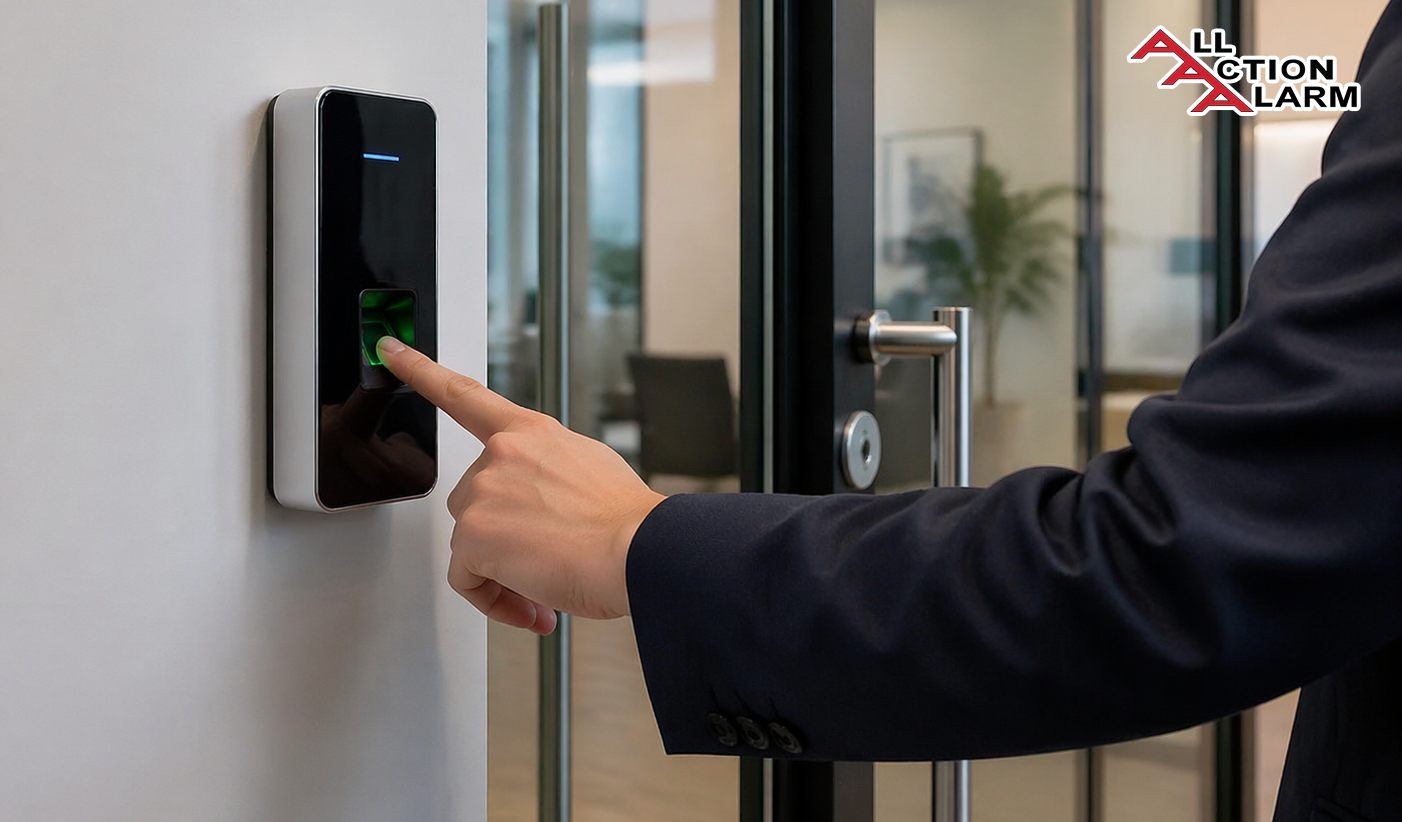
A fingerprint scanner access control system is one of those technologies that feels like it came straight out of a spy movie—but it’s now a very real, everyday solution for securing spaces. At its core, this system uses an individual’s unique fingerprint pattern to grant or deny access to a building, room, or device. Unlike traditional locks that rely on keys or PIN codes, fingerprint systems use biometric data, which means your identity becomes the key itself.
Think about how often keys get lost or passwords get forgotten. It happens all the time. Now imagine eliminating that entire problem. With fingerprint access control, there’s nothing to carry and nothing to remember. Your finger becomes your pass. This makes the system not only more secure but also incredibly convenient.
What really makes fingerprint systems stand out is their uniqueness and reliability. No two fingerprints are the same—not even among identical twins. This level of individuality drastically reduces the chances of unauthorized access. Businesses, government facilities, and even homeowners are increasingly adopting these systems because they offer a seamless blend of security and efficiency.
Another key aspect is how adaptable these systems are. Whether it’s a small office with ten employees or a massive enterprise with thousands of users, fingerprint access systems can scale accordingly. They can store multiple fingerprints, assign access levels, and even track entry and exit times. That means you’re not just securing a door—you’re gaining full control over who enters your space and when.
In a world where security threats are constantly evolving, relying on outdated methods like keys or swipe cards can feel like locking your door with a shoelace. Fingerprint access control systems bring a modern, robust solution that aligns with today’s need for smarter, more reliable security.
How Fingerprint Recognition Technology Works
Ever wondered what actually happens when you place your finger on a scanner? It might seem instantaneous—and it is—but behind that quick response is a fascinating blend of biometrics, algorithms, and pattern recognition working together in perfect harmony.
When you first enroll your fingerprint into a system, the scanner doesn’t store an image like a photograph. Instead, it captures specific features known as minutiae points. These include ridge endings, bifurcations (where ridges split), and other unique patterns in your fingerprint. The system then converts this information into a digital template, which is securely stored in its database.
When you scan your finger again, the system performs a comparison between the new scan and the stored template. This process happens in milliseconds. If the match meets a predefined threshold, access is granted. If not, the system denies entry. It’s essentially like having a super-fast security guard who checks your identity every single time—without ever getting tired or distracted.
There are different types of fingerprint scanning technologies used in modern systems:
- Optical scanners, which capture an image using light
- Capacitive scanners, which detect electrical signals from the skin
- Ultrasonic scanners, which use sound waves to map fingerprint details
Each type has its own strengths, but all aim to achieve the same goal: accurate and reliable identification.
One of the biggest advantages of this technology is its speed and precision. Unlike manual security checks, which can be slow and prone to human error, fingerprint recognition systems deliver consistent results every time. And because the data is encrypted, it adds another layer of protection against hacking or duplication.
It’s almost like having a lock that recognizes you personally—no guessing, no mistakes, just instant access when it matters most.
Key Components of a Fingerprint Access Control System
Fingerprint Sensors and Scanners
The heart of any fingerprint access control system lies in its sensor—the component that actually reads your fingerprint. Without a high-quality scanner, even the most advanced system would struggle to deliver accurate results. That’s why understanding the different types of sensors is crucial when evaluating these systems.
Fingerprint sensors come in several forms, each designed to capture fingerprint data in a unique way. Optical sensors, for example, use light to scan the surface of your finger and create a digital image. They’re widely used because they are cost-effective and reliable under normal conditions. However, they can sometimes struggle with dirt or moisture.
Capacitive sensors take things a step further. Instead of relying on light, they measure the electrical currents generated by the ridges and valleys of your fingerprint. This makes them more accurate and harder to fool, which is why they are commonly used in smartphones and high-security environments.
Then there are ultrasonic sensors, the most advanced of the bunch. These use sound waves to penetrate the outer layer of skin and capture a highly detailed 3D map of your fingerprint. The result? Exceptional accuracy—even if your finger is slightly wet or dirty.
Choosing the right sensor depends largely on your environment and security needs. For instance, a factory setting with dust and grease might benefit from ultrasonic technology, while a small office might find optical scanners perfectly sufficient.
Another factor to consider is durability. Since these scanners are used frequently, they must withstand wear and tear. High-quality systems are built with robust materials and designed for long-term use without compromising performance.
In essence, the fingerprint scanner is the system’s first line of defense. It’s where identity verification begins, and its performance directly impacts the overall effectiveness of the access control system.
Control Panels and Software Integration
While the scanner captures the fingerprint, the real decision-making happens behind the scenes—inside the control panel and software system. This is where the magic truly unfolds, transforming raw biometric data into actionable security decisions.
The control panel acts as the brain of the system. It receives data from the fingerprint scanner, processes it, and determines whether access should be granted or denied. But it doesn’t stop there. Modern control panels are capable of managing multiple entry points, handling large user databases, and integrating with other security systems like CCTV cameras and alarm systems.
Software integration takes functionality to an entirely new level. With advanced software, administrators can monitor access in real time, generate detailed reports, and even receive alerts for suspicious activity. Imagine being able to see exactly who entered your building, at what time, and through which door—all from a single dashboard.
Many systems now offer cloud-based management, allowing remote access and control. This is particularly useful for businesses with multiple locations. Instead of being physically present, you can manage security settings from anywhere in the world.
Another powerful feature is role-based access control. Not everyone needs access to every area, right? With this feature, you can assign different access levels to different users. For example, employees might only access office areas, while managers have entry to restricted zones.
Integration with other technologies, such as mobile apps and time attendance systems, adds even more value. It turns a simple access control system into a comprehensive workforce management tool.
Ultimately, the control panel and software are what make fingerprint access systems intelligent. They don’t just lock and unlock doors—they provide insights, control, and flexibility that traditional security systems simply can’t match.
Types of Fingerprint Access Control Systems
Standalone Systems
If you’re looking for something simple, reliable, and easy to deploy, standalone fingerprint access control systems are often the go-to choice. These systems operate independently, meaning they don’t require a connection to a central server or network. Everything—from fingerprint data storage to access decisions—happens directly within the device itself.
Think of standalone systems as the “plug-and-play” option in the world of biometric security. They’re especially popular in small businesses, retail stores, and even residential properties because they’re quick to install and don’t require complex infrastructure. You can mount the device near a door, enroll users, and start using it almost immediately. No need for IT teams or extensive configuration.
One of the biggest advantages here is cost-effectiveness. Since there’s no need for additional servers or networking equipment, the upfront investment is relatively low. Maintenance is also minimal, which makes these systems appealing for users who want security without ongoing technical headaches.
However, simplicity comes with limitations. Because standalone systems store data locally, managing a large number of users or multiple entry points can become challenging. Imagine having to update access permissions on several devices individually—it quickly becomes time-consuming and inefficient. That’s why these systems are best suited for smaller environments with limited access control needs.
Another limitation is the lack of advanced features. While some standalone systems offer basic logs and user management, they typically don’t support real-time monitoring or remote access. If you need detailed analytics or centralized control, you might find them a bit restrictive.
Still, for straightforward applications, standalone systems deliver exactly what they promise: secure, hassle-free access control. They’re like a reliable lock that just happens to be incredibly smart—perfect for situations where simplicity matters more than scalability.
Network-Based Systems
On the other end of the spectrum, you have network-based fingerprint access control systems, which are designed for larger, more complex environments. These systems connect multiple devices to a centralized server, allowing administrators to manage everything from a single platform.
Picture this: instead of managing each door separately, you have a unified dashboard where you can control access for an entire building—or even multiple locations. That’s the power of network-based systems. They bring efficiency, scalability, and advanced functionality into one cohesive solution.
One of the standout features is centralized management. You can add or remove users, update permissions, and monitor activity in real time—all from one interface. This is especially valuable for organizations with hundreds or thousands of employees. It eliminates redundancy and ensures consistency across all access points.
Another major advantage is data analytics and reporting. These systems can generate detailed logs showing who accessed which areas and when. This isn’t just useful for security—it’s also valuable for attendance tracking, compliance, and operational insights. According to industry reports, businesses that implement advanced access control systems can reduce unauthorized access incidents by up to 70%, highlighting their effectiveness.
Network-based systems also support integration with other technologies, such as surveillance cameras, alarm systems, and even smart building solutions. This creates a comprehensive security ecosystem where everything works together seamlessly.
Of course, this level of sophistication comes with higher costs and complexity. Installation requires proper networking, and ongoing maintenance may involve IT support. But for organizations that prioritize security and scalability, the investment is well worth it.
In essence, network-based systems are like upgrading from a bicycle to a high-performance vehicle—they require more setup, but the capabilities they offer are on an entirely different level.
Benefits of Fingerprint Scanner Access Control Systems
Enhanced Security and Accuracy
When it comes to security, fingerprint scanner access control systems set a high standard that traditional methods struggle to match. The core reason is simple: fingerprints are incredibly difficult to replicate. Unlike keys that can be duplicated or PIN codes that can be guessed, biometric data is inherently unique to each individual.
This uniqueness translates into exceptional accuracy. Modern fingerprint systems use advanced algorithms to ensure precise matching, with false acceptance rates as low as 0.001% in high-quality systems. That means the chances of an unauthorized person gaining access are extremely slim.
Another critical advantage is the elimination of shared credentials. With traditional systems, employees might share access cards or disclose passwords—intentionally or accidentally. Fingerprint systems remove this risk entirely because access is tied directly to a person, not an object or code.
Security is also enhanced through audit trails. Every access attempt is recorded, creating a detailed log that can be reviewed at any time. This level of transparency is invaluable for identifying suspicious activity and ensuring accountability.
Additionally, many systems include features like anti-spoofing technology, which prevents fake fingerprints or molds from being used. This adds another layer of protection, making it even harder for intruders to bypass the system.
In a world where security threats are becoming more sophisticated, relying on outdated methods is like locking your front door but leaving the windows open. Fingerprint access control systems close those gaps, offering a robust and reliable solution that adapts to modern challenges.
Convenience and User Experience
Security is important, but let’s be honest—if a system is difficult to use, people will find ways around it. That’s where fingerprint access control systems truly shine: they combine high-level security with effortless user experience.
Think about your daily routine. Do you really want to fumble for keys or remember complex passwords every time you need access? Probably not. With fingerprint systems, access is as simple as placing your finger on a scanner. It takes seconds, and there’s virtually no learning curve.
This ease of use translates into increased productivity, especially in workplaces. Employees can move quickly between areas without delays, and there’s no need for IT support to reset forgotten passwords or replace lost cards. It’s a small change that can have a big impact on efficiency.
Another benefit is contactless or low-contact operation in modern systems. While traditional fingerprint scanners require touch, newer models incorporate advanced technologies that minimize physical contact—an important consideration in today’s health-conscious environment.
User management is also streamlined. Adding a new employee? Just enroll their fingerprint. Removing access? Delete their profile. It’s quick, straightforward, and doesn’t involve collecting physical items like keys or cards.
And let’s not forget the psychological aspect. There’s something inherently satisfying about using biometric technology—it feels modern, intuitive, and even a bit futuristic. It enhances the overall perception of security and professionalism in any environment.
In short, fingerprint access control systems don’t just protect your space—they make everyday interactions smoother and more efficient. It’s security that works with you, not against you.
Limitations and Challenges
Environmental and Physical Limitations
As impressive as fingerprint scanner access control systems are, they’re not without their challenges. Like any technology, their performance can be influenced by external factors—especially the environment in which they’re used.
For starters, dirty, wet, or damaged fingers can affect scanning accuracy. In industrial settings where workers handle chemicals, grease, or heavy machinery, fingerprints may become harder to read. Similarly, extremely dry skin or minor cuts can interfere with the scanner’s ability to capture clear data.
Environmental conditions also play a role. Excessive dust, humidity, or extreme temperatures can impact the performance of certain types of sensors, particularly optical ones. That’s why choosing the right technology for your environment is crucial. For example, ultrasonic scanners tend to perform better in challenging conditions.
Another limitation is wear and tear. Since fingerprint scanners are used frequently, they can degrade over time if not properly maintained. Scratches on the sensor surface or hardware malfunctions can lead to reduced accuracy or system downtime.
There’s also the issue of false rejections, where authorized users are denied access due to scanning errors. While modern systems minimize this risk, it can still occur occasionally, leading to frustration.
Despite these challenges, most issues can be mitigated with proper planning, regular maintenance, and selecting high-quality equipment. It’s not about avoiding the technology—it’s about using it wisely and understanding its limitations.
Privacy and Data Concerns
One of the most common concerns surrounding fingerprint access control systems is privacy. After all, biometric data is deeply personal. Unlike a password, you can’t simply change your fingerprint if it gets compromised.
This raises important questions: Where is the data stored? Who has access to it? How secure is it?
Modern systems address these concerns through encryption and secure storage. Instead of storing actual fingerprint images, they save encrypted templates that cannot be easily reverse-engineered. This significantly reduces the risk of data misuse.
However, organizations must still take responsibility for data protection and compliance. Regulations like GDPR emphasize the importance of handling biometric data with care, requiring transparency and user consent.
There’s also a psychological factor at play. Some people feel uncomfortable sharing their biometric information, even if the system is secure. This can lead to resistance, especially in workplaces where adoption is mandatory.
To address these concerns, clear communication is key. Users should understand how their data is used, stored, and protected. Providing this transparency helps build trust and encourages acceptance.
In the end, privacy isn’t a deal-breaker—it’s a consideration. With the right safeguards in place, fingerprint access control systems can offer both security and peace of mind.
Applications of Fingerprint Access Control Systems
Commercial and Corporate Use
Step into almost any modern office today, and you’ll notice a quiet shift happening in how spaces are secured. Fingerprint scanner access control systems are becoming the backbone of corporate security, and it’s not hard to see why. Businesses are no longer just protecting physical assets—they’re safeguarding sensitive data, intellectual property, and employee safety all at once.
In corporate environments, access control isn’t just about opening doors; it’s about controlling who gets access to what, and when. For example, an employee in HR shouldn’t have the same level of access as someone in IT or executive management. Fingerprint systems make it incredibly easy to implement role-based access, ensuring that each individual can only enter authorized areas.
Another major advantage in commercial settings is attendance tracking. Many companies integrate fingerprint systems with time and attendance software, eliminating issues like buddy punching (where one employee clocks in for another). According to workforce management studies, businesses using biometric attendance systems can reduce time fraud by up to 80%, which directly impacts productivity and payroll accuracy.
Security incidents are also easier to investigate. Since every access attempt is logged, companies have a clear audit trail. If something goes wrong—say, unauthorized access to a restricted area—administrators can quickly identify who entered and when. This level of accountability simply isn’t possible with traditional keys or shared access cards.
Industries like banking, healthcare, and data centers rely heavily on fingerprint systems because they handle highly sensitive information. In hospitals, for instance, access to drug storage rooms or patient records can be tightly controlled. In data centers, only authorized personnel can enter server rooms, significantly reducing the risk of breaches.
Ultimately, fingerprint access control systems help businesses strike a balance between security and efficiency. They protect critical assets while ensuring that daily operations run smoothly without unnecessary friction.
Residential and Personal Use
It’s not just corporations embracing this technology—homeowners are increasingly turning to fingerprint access control systems to secure their personal spaces. What was once considered a luxury is now becoming a practical and affordable solution for everyday living.
Imagine coming home with your hands full of groceries. Instead of fumbling for keys, you simply tap your finger on the scanner, and the door unlocks instantly. It’s a small convenience, but it makes a big difference in daily life. This ease of use is one of the main reasons why fingerprint systems are gaining popularity in residential settings.
Security is another driving factor. Traditional locks can be picked, and keys can be lost or duplicated. With fingerprint access, your home is protected by something far more secure—your unique biometric identity. It’s like having a lock that recognizes you personally and refuses entry to anyone else.
Families also benefit from multi-user functionality. You can register fingerprints for all household members, and even grant temporary access to guests or service providers. Some systems allow you to set time-based permissions, which is perfect for situations like allowing a cleaner to enter only during specific hours.
Integration with smart home systems takes things even further. Many modern fingerprint locks can connect to mobile apps, enabling remote control and monitoring. You can receive notifications when someone enters your home or check access logs from anywhere.
There’s also a growing sense of peace of mind that comes with using advanced security technology. Knowing that your home is protected by a system designed to prevent unauthorized access adds an extra layer of comfort.
In essence, fingerprint access control systems are transforming homes into smart, secure environments. They’re not just about keeping intruders out—they’re about making everyday life simpler, safer, and more connected.
Comparing Fingerprint Access Systems with Other Biometric Technologies
Fingerprint vs Facial Recognition
Biometric technology has expanded rapidly, and one of the most common comparisons is between fingerprint recognition and facial recognition systems. Both offer unique advantages, but they serve slightly different purposes depending on the environment.
Fingerprint systems are often praised for their precision and reliability. Since they rely on detailed patterns of ridges and minutiae points, they tend to have lower error rates. Facial recognition, on the other hand, analyzes facial features and can sometimes be affected by lighting conditions, angles, or even changes in appearance like facial hair or glasses.
However, facial recognition has one clear advantage: contactless operation. In situations where hygiene is a priority—such as hospitals or public facilities—this can be a significant benefit. Users don’t need to touch any surface; they simply look at a camera, and access is granted.
Here’s a quick comparison:
| Feature | Fingerprint Systems | Facial Recognition |
|---|---|---|
| Accuracy | Very High | High (varies with conditions) |
| Contact Required | Yes (mostly) | No |
| Speed | Fast | Very Fast |
| Environmental Impact | Moderate | High (lighting dependent) |
| Cost | Moderate | Higher |
Fingerprint systems still dominate in environments where accuracy and security are critical, while facial recognition is gaining traction in areas that prioritize convenience and hygiene.
Fingerprint vs RFID and PIN Systems
When compared to traditional methods like RFID cards and PIN codes, fingerprint access control systems clearly stand out as a more advanced and secure solution.
RFID cards are convenient but come with a major flaw: they can be lost, stolen, or duplicated. PIN codes, while easy to implement, are vulnerable to being guessed, shared, or forgotten. Both methods rely on external factors rather than the individual’s identity.
Fingerprint systems eliminate these weaknesses entirely. You can’t forget your fingerprint, and it’s nearly impossible to replicate. This makes them inherently more secure.
Another advantage is accountability. With RFID or PIN systems, it’s difficult to verify who actually used a card or code. With fingerprints, there’s no ambiguity—each access event is tied to a specific individual.
That said, traditional systems still have their place. They’re often used as backup methods or in environments where biometric systems may not be practical. In many cases, organizations combine multiple methods to create multi-factor authentication, adding an extra layer of security.
In the end, fingerprint systems offer a compelling balance of security, convenience, and reliability, making them a preferred choice for modern access control.
How to Choose the Right Fingerprint Access Control System
Key Features to Consider
Choosing the right fingerprint scanner access control system isn’t just about picking the most expensive or popular option—it’s about finding a solution that fits your specific needs. With so many options available, understanding key features can make all the difference.
Start with accuracy and speed. A good system should quickly recognize fingerprints without frequent errors. Look for systems with low false acceptance and rejection rates, as these directly impact usability and security.
Next, consider storage capacity. How many users will the system need to support? A small office might only require storage for a few dozen fingerprints, while a large enterprise mayحتاج thousands. Make sure the system can scale as your needs grow.
Integration capabilities are also crucial. Can the system connect with your existing security infrastructure, such as CCTV or alarm systems? Does it support cloud-based management or mobile access? These features can significantly enhance functionality.
Durability is another important factor, especially for high-traffic areas. Look for devices built with robust materials and designed to withstand frequent use.
Other features worth considering include:
- Anti-spoofing technology
- Real-time monitoring and alerts
- Role-based access control
- Backup access methods (PIN or card)
Ultimately, the right system is one that balances performance, reliability, and ease of use while aligning with your specific security requirements.
Budget and Scalability Factors
Budget plays a significant role in any decision, but it’s important to think beyond the initial cost. A cheaper system might save money upfront but could lead to higher maintenance costs or limited functionality down the line.
Consider the total cost of ownership, which includes installation, maintenance, software updates, and potential upgrades. Investing in a slightly more expensive system with better features and scalability can often save money in the long run.
Scalability is equally important. Your needs today might not be the same a year from now. Choose a system that can grow with you—whether that means adding more users, integrating additional devices, or expanding to multiple locations.
Cloud-based systems are particularly useful for scalability, as they allow for easy expansion without significant hardware changes.
In short, think of your investment as a long-term strategy rather than a one-time purchase. The right system should not only meet your current needs but also adapt to future demands.
Installation and Maintenance Tips
Installing a fingerprint access control system might seem straightforward, but getting it right from the start can make a huge difference in performance and longevity. Proper placement of scanners is critical—devices should be installed at a comfortable height and in locations protected from extreme environmental conditions.
Wiring and connectivity should be handled carefully, especially for network-based systems. Poor installation can lead to connectivity issues, delays, or even system failures. That’s why professional installation is often recommended for more complex setups.
Maintenance is just as important as installation. Regularly cleaning the scanner surface ensures accurate readings, while software updates keep the system secure and up to date.
Periodic testing is also essential. Check access logs, verify user permissions, and ensure that all components are functioning correctly. This proactive approach helps prevent issues before they become serious problems.
Think of maintenance as routine care—it keeps your system running smoothly and ensures that your investment continues to deliver value over time.
Future Trends in Fingerprint Access Control Technology
The world of fingerprint access control systems is constantly evolving, driven by advancements in technology and changing security needs. One of the most exciting trends is the integration of artificial intelligence and machine learning, which enhances accuracy and enables smarter decision-making.
Another emerging trend is multimodal biometrics, where fingerprint systems are combined with other methods like facial recognition or iris scanning. This creates a layered security approach that’s even harder to bypass.
Cloud-based solutions are also gaining traction, offering greater flexibility and remote management capabilities. As more businesses adopt smart technologies, fingerprint systems are becoming part of larger smart building ecosystems.
There’s also a growing focus on touchless fingerprint technology, which uses advanced sensors to capture data without direct contact. This innovation addresses hygiene concerns while maintaining the benefits of biometric security.
As these trends continue to develop, fingerprint access control systems will become even more sophisticated, blending security, convenience, and intelligence in ways that were once unimaginable.
Conclusion
Fingerprint scanner access control systems have transformed the way we think about security. They replace outdated methods with a solution that’s not only more secure but also more convenient and efficient. From corporate offices to private homes, their applications continue to expand as technology evolves.
By combining biometric accuracy with modern software capabilities, these systems offer a powerful tool for managing access and protecting valuable assets. Whether you’re looking to enhance security, improve efficiency, or simply embrace smarter technology, fingerprint access control systems provide a compelling solution.
FAQs
1. Are fingerprint access control systems safe?
Yes, they are highly secure due to the uniqueness of biometric data and advanced encryption methods used to protect stored information.
2. Can fingerprint systems be hacked?
While no system is completely immune, modern fingerprint systems use strong encryption and anti-spoofing technologies to minimize risks.
3. What happens if the scanner fails to read a fingerprint?
Most systems include backup options like PIN codes or RFID cards to ensure access in such situations.
4. Are these systems suitable for outdoor use?
Yes, many models are designed for outdoor environments with weather-resistant features.
5. How much does a fingerprint access control system cost?
Costs vary widely depending on features, ranging from affordable standalone units to advanced enterprise-level systems.
About All Action Alarm: Your Trusted Partner in Commercial Security Solutions
AllActionAlarm.com is Long Island’s top choice for state-of-the-art commercial security systems, providing unmatched protection and peace of mind for businesses of all sizes. With years of expertise, we specialize in creating customized security solutions, combining cutting-edge technology with seamless installation and 24/7 monitoring. Whether it’s high-definition surveillance, advanced access control, or intrusion detection, we deliver systems designed to safeguard your assets and personnel.
Our team of certified professionals is committed to offering the best security systems in Long Island, New York. We understand the unique challenges businesses face and work closely with you to develop a comprehensive security plan that fits your needs. We don’t just sell equipment; we partner with you for the long haul, ensuring your business remains protected against any threat.
Don’t leave your business’s safety to chance—contact us at (631) 549-7225 today for a free consultation and experience the AllActionAlarm difference!
For more info you may want to read this article about Commercial Alarm System.
SOURCEs
https://www.nist.gov/programs-projects/biometrics
https://www.iso.org/standard/62781.html


 Ca.garcia.s, CC BY-SA 4.0
