Mark Camello is a research writer and digital marketer. He writes about anything from blockchain to home security.
Latest posts by Mark Camello
(see all)
Introduction to Smart Thermostats
In today’s fast-paced world, homeowners are constantly looking for ways to enhance convenience and reduce energy costs. One revolutionary device making waves in home automation is the smart thermostat. Unlike traditional thermostats that require manual adjustments, smart thermostats bring automation, intelligence, and remote accessibility to temperature control.
Smart thermostats are designed to learn user preferences, optimize energy usage, and integrate seamlessly with other smart home devices. As energy prices rise and environmental concerns grow, these devices have become essential for modern, energy-conscious homes.
This article explores how smart thermostats work, their benefits, key features, and how they can help save money while keeping homes comfortable year-round. Whether you’re new to home automation or considering an upgrade, this guide will help you understand why smart thermostats are the future of climate control.
What is a Smart Thermostat?
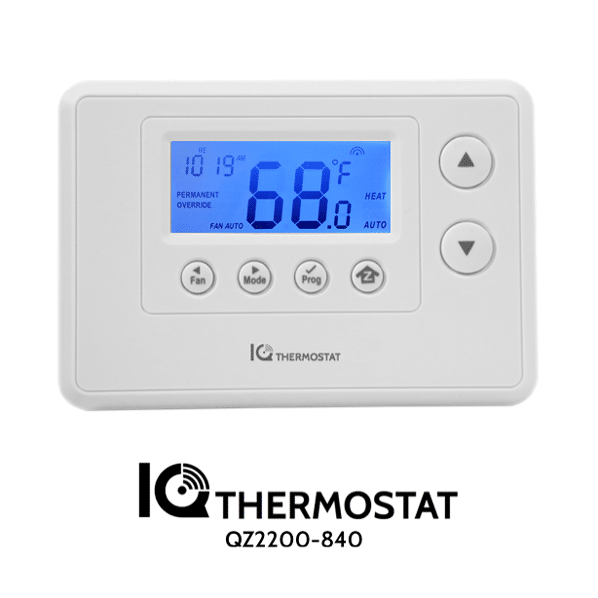
A smart thermostat is an advanced temperature control device that allows users to remotely manage and automate heating and cooling systems through Wi-Fi connectivity. Unlike traditional thermostats that require manual input, smart thermostats learn from user behavior, adjust temperature settings automatically, and provide real-time energy consumption data.
Key Features That Differentiate Smart Thermostats from Traditional Ones:
-
Wi-Fi Connectivity – Allows users to control the thermostat remotely via a smartphone, tablet, or computer.
-
Automation & Learning Capabilities – Many smart thermostats analyze usage patterns and adjust temperatures based on daily routines.
-
Integration with Smart Home Systems – Compatible with voice assistants like Amazon Alexa, Google Assistant, and Apple HomeKit.
-
Energy Usage Reports – Provides insights into heating and cooling patterns, helping homeowners reduce energy costs.
-
Geofencing – Adjusts temperature based on the user’s location, automatically turning systems off when no one is home.
Why Smart Thermostats Are Becoming Popular
With the rise of smart homes and the Internet of Things (IoT), people are increasingly looking for ways to make their homes more efficient and comfortable. Smart thermostats offer a perfect solution by saving money on energy bills while ensuring optimal indoor temperatures at all times.
How Smart Thermostats Work
1. Sensors and Connectivity
Smart thermostats use various sensors, including temperature, humidity, and motion sensors, to monitor conditions inside and outside the home. They collect data and adjust heating or cooling systems accordingly to maintain comfort and efficiency.
2. AI and Machine Learning
Many advanced smart thermostats, such as the Nest Learning Thermostat, use artificial intelligence (AI) and machine learning to understand a household’s routine. Over time, they create customized schedules that maximize comfort and minimize energy waste.
For example, if a homeowner typically lowers the temperature at night, a smart thermostat will learn this pattern and adjust automatically—eliminating the need for manual adjustments.
3. Integration with Smart Home Systems
Smart thermostats seamlessly integrate with other smart home devices, including:
-
Smart lights (adjust lighting based on occupancy)
-
Smart locks (adjust temperature when doors are locked/unlocked)
-
Voice assistants (enable hands-free control with voice commands)
4. Mobile and Remote Control
With Wi-Fi connectivity, users can adjust temperature settings from anywhere using their smartphones. Whether they’re at work, on vacation, or just in another room, they can control heating and cooling with ease.
Key Features of Smart Thermostats
1. Remote Control via Smartphone Apps
Smart thermostats allow users to adjust settings remotely using mobile apps. Some even offer real-time alerts when unusual temperature changes occur, ensuring that homeowners can act quickly if something goes wrong.
2. Learning Algorithms for Automated Scheduling
Most smart thermostats learn daily routines and preferences over time. For example, if you typically leave for work at 8 AM, the thermostat will automatically reduce heating/cooling during that period to save energy.
3. Geofencing Technology
Geofencing uses GPS location tracking to determine when the homeowner is near or away from home. This feature ensures that the thermostat automatically adjusts the temperature when the home is unoccupied, leading to significant energy savings.
4. Voice Control Compatibility
Smart thermostats can be controlled using voice assistants like:
-
Amazon Alexa
-
Google Assistant
-
Apple Siri
Simply saying, “Alexa, set the temperature to 72°F” can instantly adjust your home’s climate without lifting a finger.
5. Energy Usage Reports
Many smart thermostats provide detailed energy reports, helping homeowners track their heating and cooling costs and find ways to improve efficiency.
Benefits of Using a Smart Thermostat
1. Energy Efficiency & Cost Savings
One of the biggest advantages of smart thermostats is energy efficiency. Studies show that these devices can reduce energy bills by up to 20%. By automatically adjusting temperature settings based on user behavior, they prevent unnecessary heating and cooling.
2. Convenience & Ease of Use
With automation and remote access, homeowners no longer have to constantly adjust settings. Smart thermostats take care of everything, learning preferences and adapting accordingly.
3. Environmental Impact
Reducing energy consumption doesn’t just lower bills—it also benefits the environment. Smart thermostats help reduce carbon footprints by ensuring that HVAC systems operate only when necessary.
4. Customization & Automation
Smart thermostats offer highly customizable schedules that adapt to your daily routine. Whether you prefer a warmer home in the morning or a cooler setting at night, these devices ensure maximum comfort without wasting energy.
Top Smart Thermostats in the Market
With so many options available, choosing the right smart thermostat can be challenging. Below are some of the best smart thermostats currently available, based on features, ease of use, and energy-saving potential.
1. Google Nest Learning Thermostat
2. Ecobee Smart Thermostat Premium
3. Honeywell Home T9 Smart Thermostat
4. Emerson Sensi Touch Smart Thermostat
How to Install a Smart Thermostat
Installing a smart thermostat is easier than most people think. Here’s a step-by-step guide to help you install one in your home.
1. Turn Off Power to Your HVAC System
Before starting, switch off the power to your heating and cooling system at the circuit breaker. This prevents electrical damage and ensures safety.
2. Remove the Old Thermostat
3. Connect the Wires to the New Smart Thermostat
4. Attach the Thermostat to the Wall
5. Restore Power & Set Up the App
Smart Thermostats and Energy Savings
One of the biggest reasons people invest in smart thermostats is energy efficiency. According to the U.S. Department of Energy, properly programmed thermostats can save homeowners up to 10-20% on energy costs annually.
How Smart Thermostats Reduce Energy Consumption
-
Automatic Adjustments: Smart thermostats change the temperature when no one is home.
-
Customized Schedules: They optimize heating and cooling schedules based on user behavior.
-
Real-Time Monitoring: They provide energy usage reports to help reduce unnecessary consumption.
-
Geofencing: The thermostat turns off when the house is empty and resumes when someone is nearby.
Case Study: Energy Savings in Real Homes
A study by the Nest Thermostat team found that homeowners saved an average of 10-15% on heating and cooling bills after switching to a smart thermostat.
Common Problems and Troubleshooting Tips
Even the best smart thermostats can occasionally have issues. Here are some common problems and how to fix them.
1. Wi-Fi Connectivity Issues
-
Problem: Thermostat loses connection to Wi-Fi.
-
Solution: Restart your router, move the thermostat closer to the router, or check for software updates.
2. Incorrect Temperature Readings
3. System Not Turning On
-
Problem: HVAC system doesn’t respond to thermostat changes.
-
Solution: Check the circuit breaker, ensure wires are connected properly, and reset the thermostat.
Are Smart Thermostats Worth It?
Pros of Smart Thermostats
✅ Energy Savings – Reduce heating and cooling costs
✅ Remote Access – Control your thermostat from anywhere
✅ Customization – Personalized schedules for maximum comfort
✅ Integration – Works with other smart home devices
Cons of Smart Thermostats
❌ Higher Initial Cost – More expensive than traditional thermostats
❌ Requires Wi-Fi – Needs a stable internet connection for remote control
❌ Compatibility Issues – Some models may not work with older HVAC systems
Final Verdict: If you want to save money on energy bills and enjoy greater convenience, a smart thermostat is a great investment for your home.
Conclusion
Smart thermostats have revolutionized the way homeowners control indoor temperatures. By combining AI technology, automation, and remote access, they provide a level of convenience and efficiency that traditional thermostats simply can’t match.
Whether you want to cut down on energy bills, integrate with a smart home system, or reduce your environmental footprint, a smart thermostat is a worthwhile upgrade.
If you haven’t made the switch yet, now is the time to consider installing a smart thermostat and experience a more comfortable and energy-efficient home.
FAQs
1. Can I install a smart thermostat myself?
Yes! Most smart thermostats come with DIY installation guides. However, if you’re unsure, hiring a professional is a good option.
2. Do smart thermostats work without Wi-Fi?
Yes, but with limited functionality. Without Wi-Fi, you won’t be able to use remote access or receive energy reports.
3. How much money can a smart thermostat save me?
Smart thermostats can save 10-20% on energy bills, depending on usage and climate conditions.
4. Are smart thermostats compatible with all HVAC systems?
Not all models work with every HVAC system. It’s best to check compatibility before purchasing.
5. What’s the best smart thermostat for beginners?
The Google Nest Thermostat and Ecobee Smart Thermostat are user-friendly and offer great automation features.
SOURCES:
- U.S. Dept. of Energy
- Energy Star
- The Spruce
- ACEEE
About All Action Alarm: Your Trusted Partner in Home Security Solutions
When it comes to protecting your home and loved ones, there’s no room for compromise. At All Action Alarm, we take home security to the next level by offering top-tier protection with cutting-edge technology and expert monitoring services that you can rely on. As a leader in the security industry, we’re committed to keeping homes and businesses safe, providing peace of mind 24/7.
Don’t wait for an emergency to take action. Protect your home and family with the best in the business. Call(631) 549-7225 to schedule your consultation, or visit allactionalarm.com to learn more about our services.
Your safety is our top priority.
Check out Modernizing Older Homes and Get Started with All Action Alarm Today!

 Qolsys


 Ca.garcia.s, CC BY-SA 4.0
